What’s next for water monitoring in Iowa?

What’s next for water monitoring in Iowa?
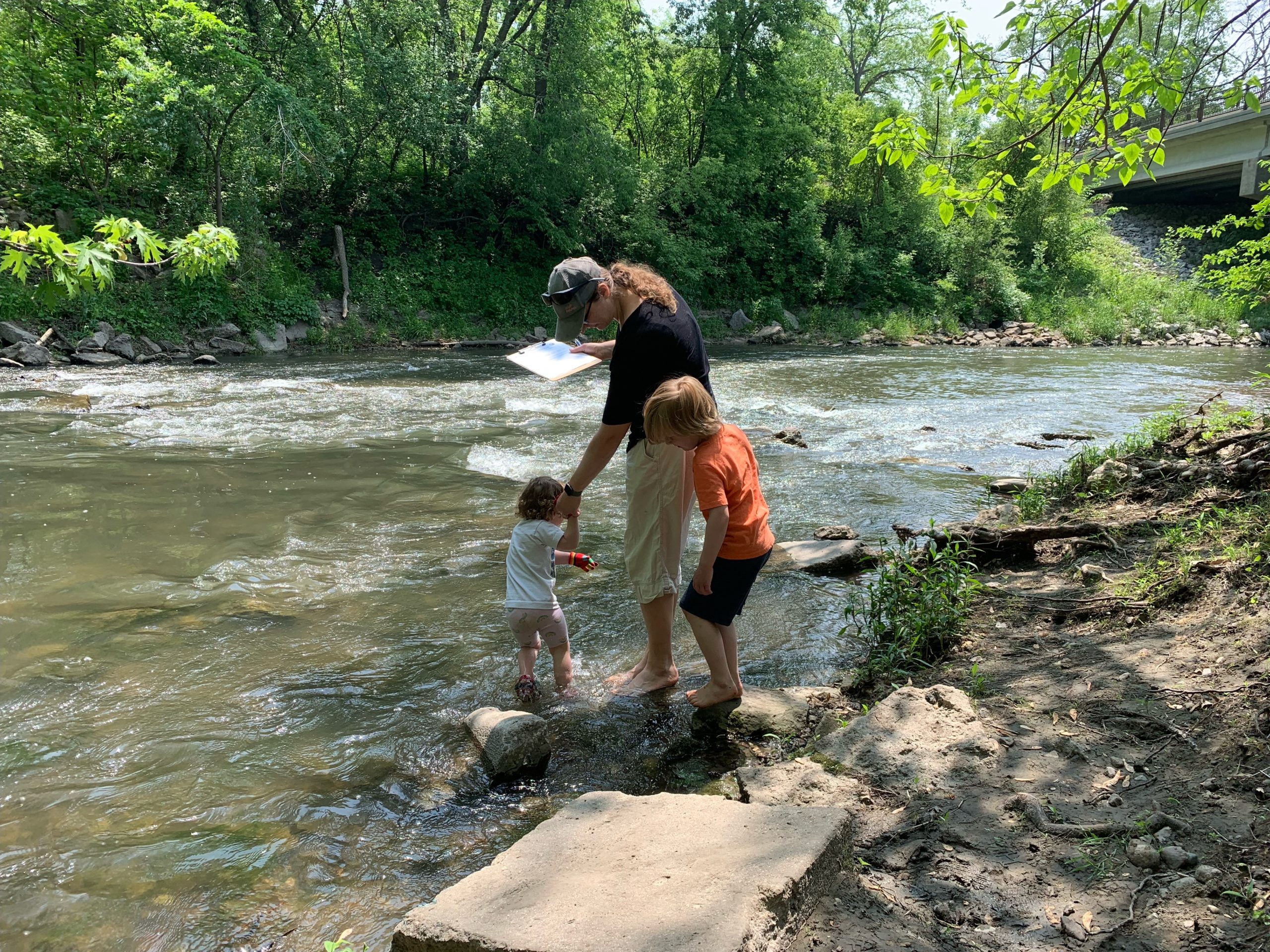
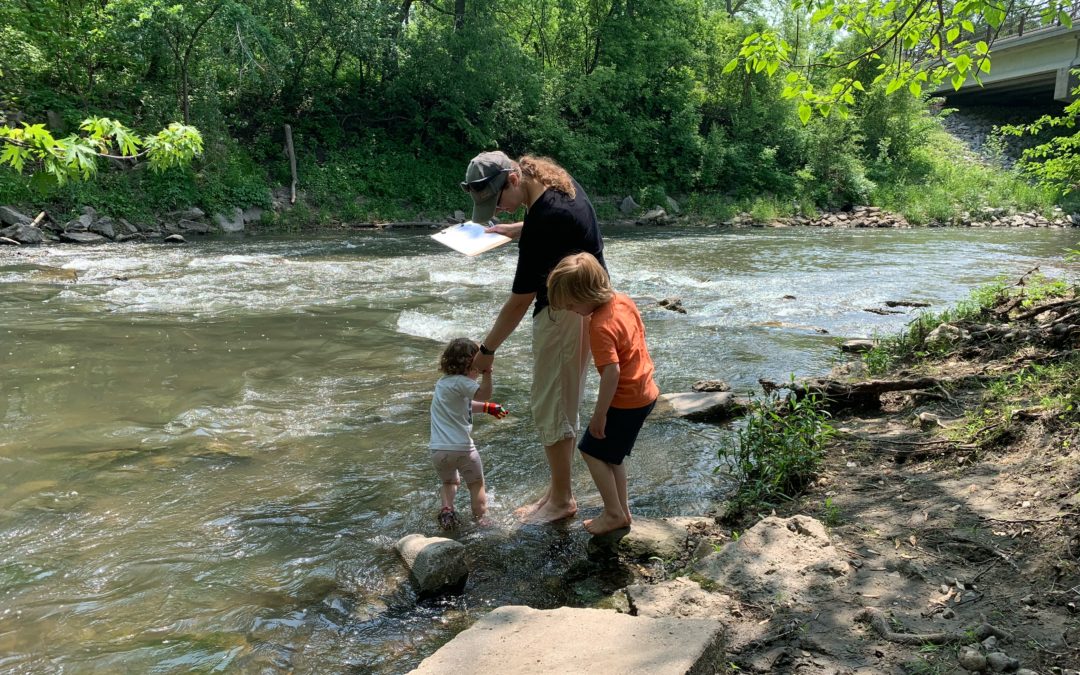
The Kopecky family helped with water testing for our spring snapshot.

As you may know, Prairie Rivers of Iowa has been working for several years on the outreach and data analysis for a local water monitoring program that includes volunteers led by Story County Conservation and lab-testing by the City of Ames.   However, we’re not the only organization partnering with volunteers and local governments in Iowa to monitor streams and educate the public!  In the coming year we have an opportunity to get to know one another, learn from each other, and do more in partnership.  Actually, it’s already started.

In late May, Prairie Rivers organized a volunteer “snapshot” event to do same-day testing of sites throughout the Ioway Creek watershed.  On that same day, Polk County Conservation tested over 100 sites as part of their spring snapshot.  By coordinating our schedules, we can see how water quality compares across a broader swath of Iowa.  Check out the Izaak Walton League’s nationwide Nitrate Watch map, which includes some of our results!

In mid-May, I added some extra stops to my route and was able to track down the main source of fecal bacteria affecting the lower part of West Indian Creek—it looks like the new wastewater treatment plant being built in Nevada will make a big difference for water quality.  In our other creeks, the sources and solutions for E. coli are uncertain, so we’re anxious to hear what Partners of Scott County Watersheds is learning from its microbial source tracking projects in the Davenport area.

In early May, Prairie Rivers released a report analyzing the data that volunteers with Story County Conservation and the lab at the City of Ames have been collecting, including some good news!  We’re learning a lot about waters in Story County, but we’re also learning how to work with data from national and statewide databases, account for the influence of streamflow, and make pretty graphs.  The computer code, the skills, and the lessons learned are transferable, we just haven’t had an opportunity to apply them outside Story County… until now.
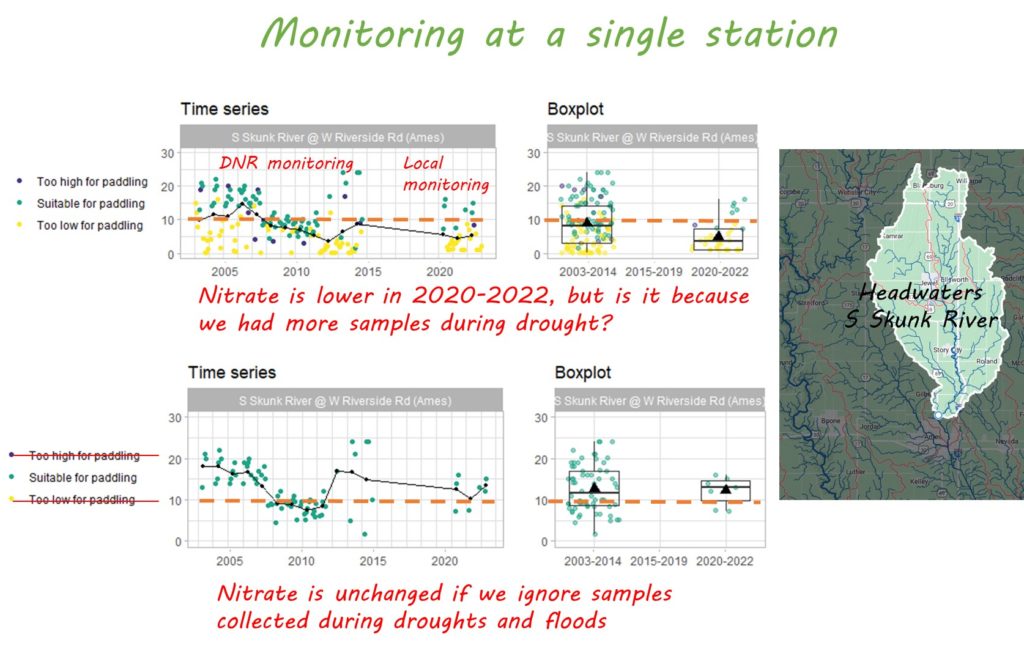
Our 2022 report included an analysis of nitrate trends in the South Skunk River.

Prairie Rivers applied for a grant from the Mosaic Foundation, which reached out to the Water Foundation to fund our project!  Both these foundations have an interest in “movement infrastructure”–building the capacity of the environmental movement to do more by working together.  Between now and next April, we’ll be building a network of organizations in Iowa with an interest in water monitoring, developing some tools and guidance to help us make sense of our data, and translating data into action.  The planning team includes Prairie Rivers and three other Resource Conservation and Development councils (RC&Ds), Partners of Scott County Watersheds, Polk County Conservation, Iowa Environmental Council, and the Izaak Walton League of America.

While we’re excited to see the growth of volunteer initiatives like Nitrate Watch, bimonthly monitoring with semi-quantitative test strips is not a substitute for equipment that can precisely measure nitrate in a stream every 15 minutes and immediately publish the data to the internet.  In April and May we learned that the latest state budget included targeted cuts to University of Iowa’s nitrate sensor network.  The decision has raised more than a few eyebrows, giving the impression that some legislators would rather the public not know how polluted our lakes and streams really are, or whether conservation efforts are working as expected.  Let’s keep our leaders honest and Iowans well-informed!
Highlights From the 2022 Monitoring Season

Highlights From the 2022 Monitoring Season

Our 2022 Annual Report for the Story County 10-Year Water Monitoring and Interpretation Plan shares findings from the third year of a locally-led effort to monitor water quality in streams and lakes across Story County, Iowa.

Visit here to view the full report.

Water Quality Monitoring in Story County Iowa.

The size of the volunteer program more than doubled in 2022.

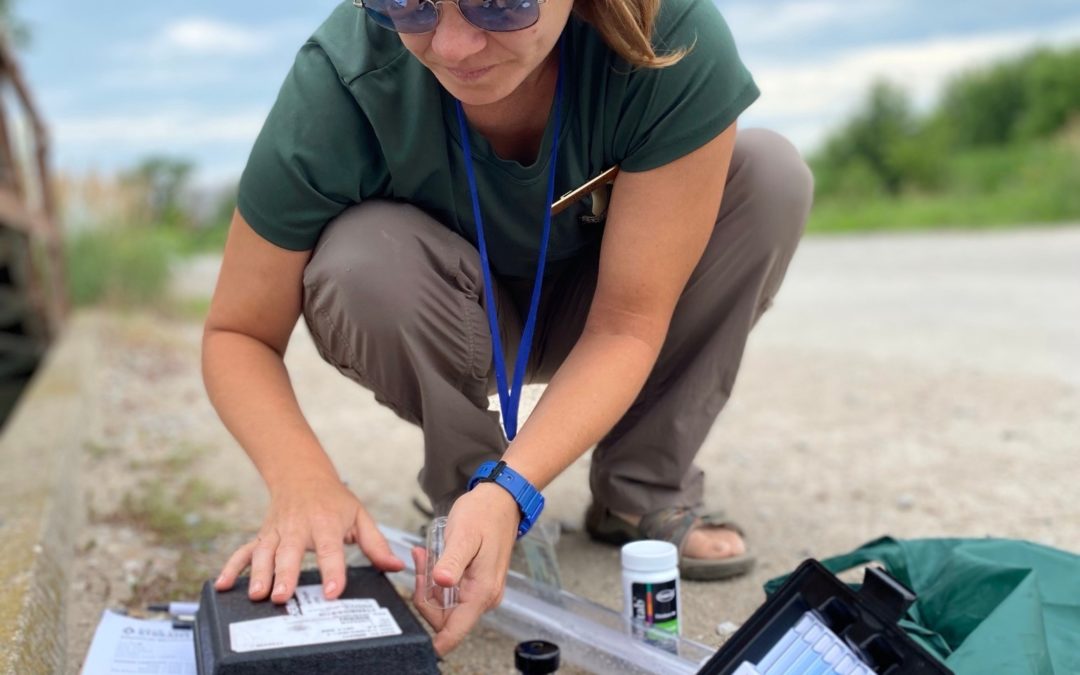
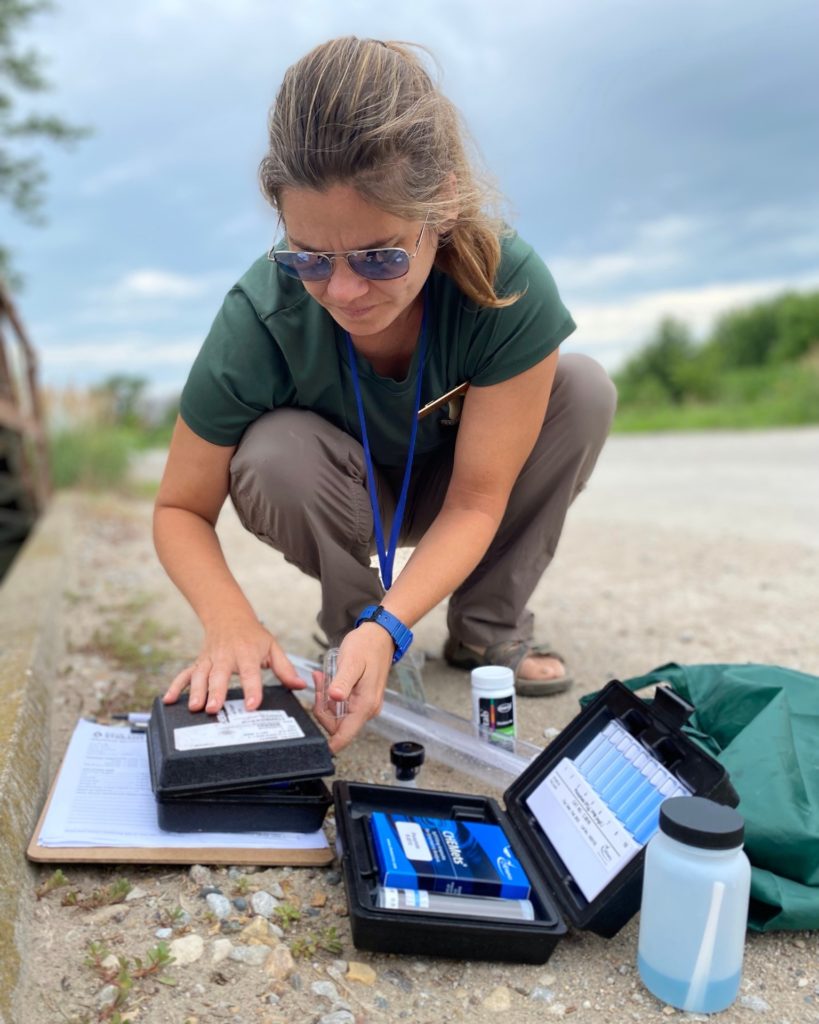
  • Story County Conservation provided 40 volunteers and staff with kits to monitor 54 lakes and streams. Over 800 data sheets were entered into the Izaak Walton League’s Clean Water Hub

A coordinated volunteer event in May gave us a snapshot of water quality at over 150 sites in central Iowa.

  • Streams in Story County tended to have higher nitrate, but lower chloride and phosphate than streams in neighboring Polk County.

Volunteers observed high nitrate at many sites this year and identified some streams with poor water quality that need further attention.

  • Nitrate was as high as 20 mg/L at 74% of sites tested this year.
  • West Indian Creek in Nevada has poor water quality by several metrics—including biological monitoring, dissolved oxygen, and phosphate.
  • Chloride and phosphate are especially high during drought at sites downstream of wastewater treatment plants.

With laboratory support from the City of Ames, we now have three years of monthly data at 15 streams.  By combining multiple years of data, we can look separately at wet and dry periods and narrow down likely pollution sources and effective conservation strategies.

  • Ten out of eleven streams with enough data to evaluate in 2022 exceeded the primary contact recreation standard for coli bacteria. E. coli is especially high in West Indian Creek when water levels are normal, and in College Creek across all conditions.
  • Nitrate tends to be highest in the Headwaters of the South Skunk River watershed when water levels are normal.

 We have over 14 years of baseline data at several sites on the South Skunk River. By comparing recent data to the baseline, and making sure we’re comparing similar weather conditions, we can begin to see some encouraging trends.

  • During wetter weather, nitrate was lower in 2020-2022 than during the baseline period at one of the sites.  This could be related to conservation efforts in the Ioway Creek watershed.
  • During drier weather, E. coli was lower in 2020-2022 than during the baseline period at one of the sites.  This could be related to improvements to wastewater treatment systems in Ames and Gilbert.
Mayflies Should Be Normal

Mayflies Should Be Normal

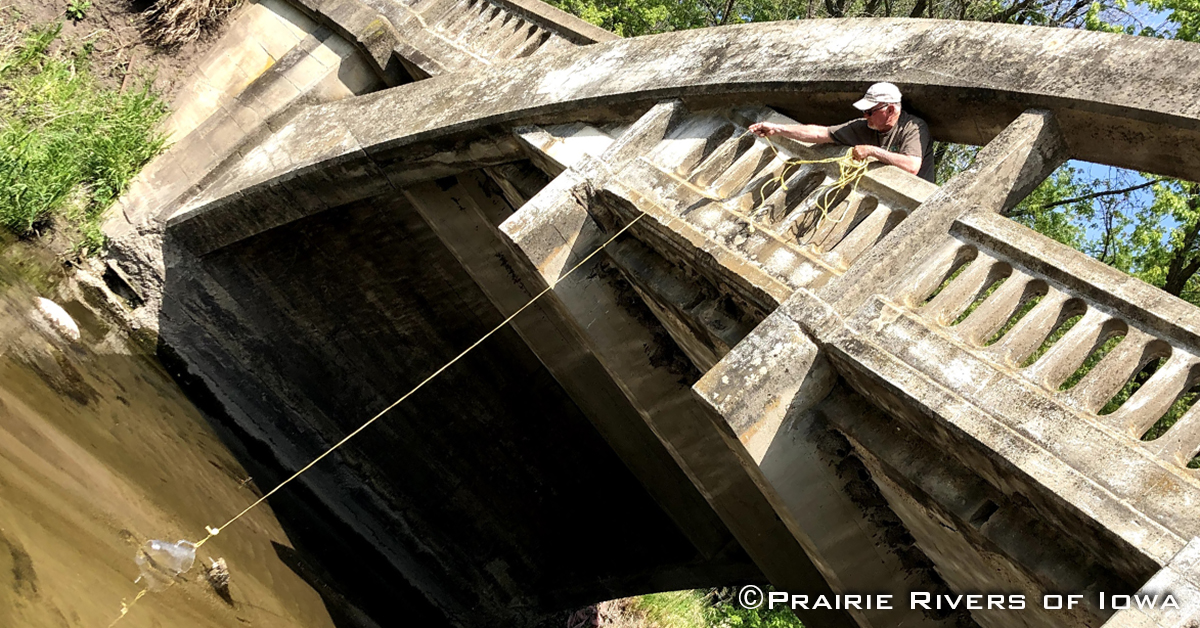
In April, I joined a class of Ames High School seniors to survey benthic macroinvertebrates in Ioway Creek.  If you had asked me “what on earth are you doing?” here’s what I would have said:

Hello!  I’m Dan and I work on water quality for a local non-profit.  And these are environmental science students from Ames High School.  Why are we standing in the middle of the creek wearing hip waders and doing what looks like a funny dance?  Why, this is a perfectly normal thing to do! We are citizen scientists and we are “science-ing”!  The dance is called the benthic shuffle, and is an important part of the protocol for biological monitoring. We are dislodging aquatic insects from the rocks and catching them in our net.

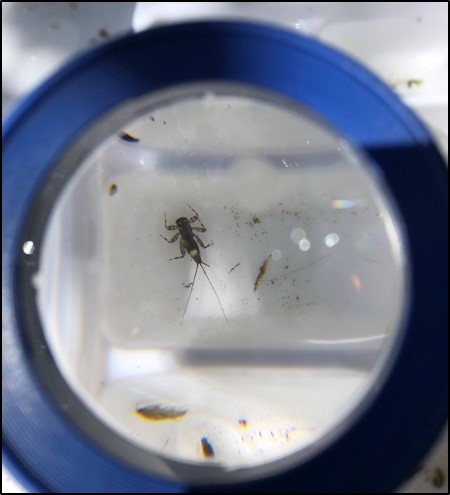
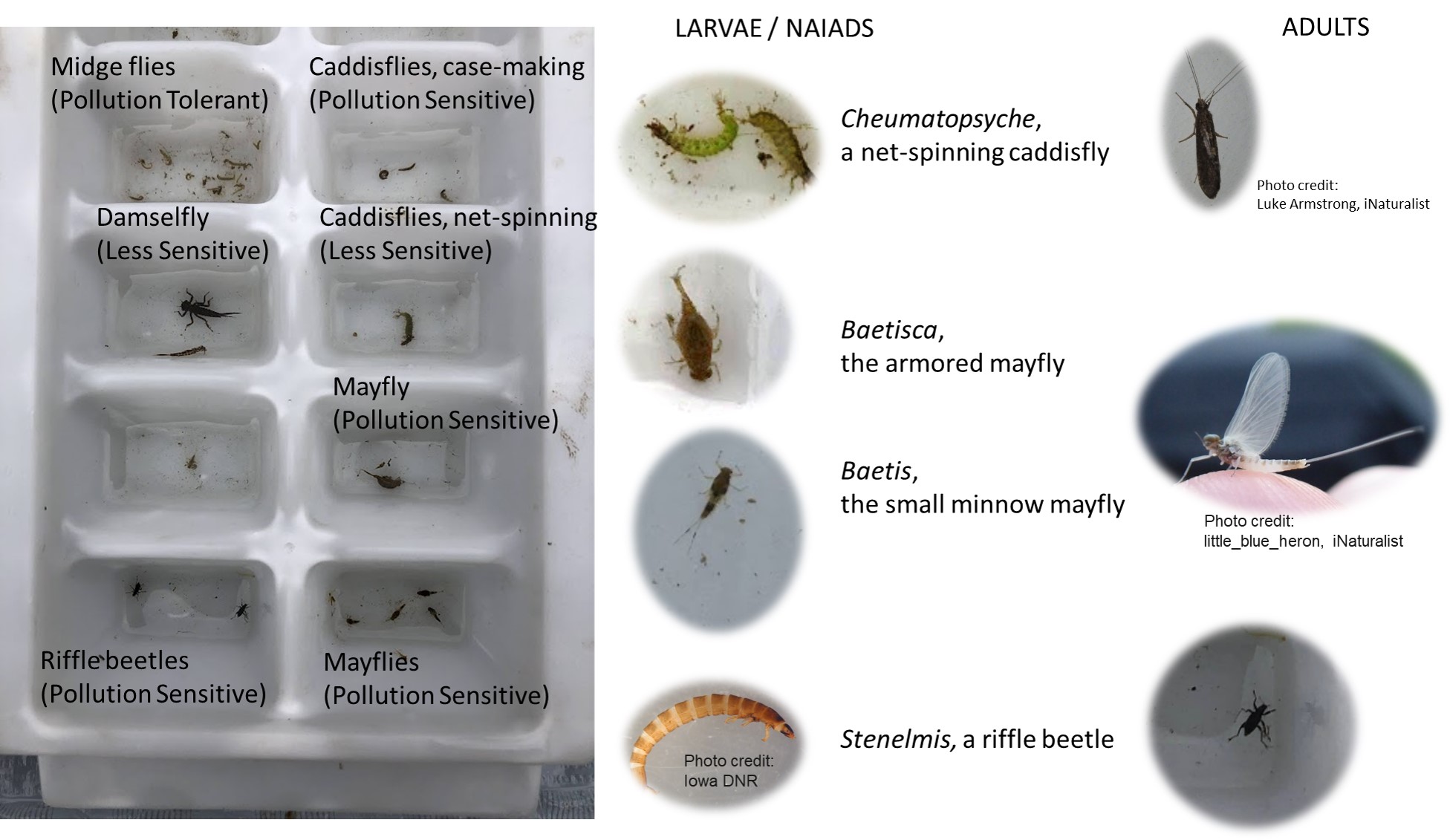
And look at what we have caught from a mere 1 square meter of rocks! 170 mayflies! This too is normal! We are at Brookside Park, and here is a brook babbling over rocks and gravel.  It would be strange if we did not find a healthy population of mayflies in such inviting habitat!

No, they don’t look like the mayflies that spatter windshields in Dubuque. But this is indeed Baetis, the blue-winged olive mayfly, imitated with success by many a trout fisherman. In its larval form, we call it the “small minnow mayfly”, for its quick swimming. They live about a year in the creek before they pupate and get their wings, assuming a fish doesn’t eat them first!

benthic macroinvertebrates in Ioway Creek

As I was saying, what you see here is perfectly normal, though maybe not as common as it should be in Iowa streams.  If you find a riffle in the stream with no mayflies, well, that would mean something is not right. Perhaps insecticides have washed into the creek from upstream farms and lawns and killed them. Perhaps we’ve inadvertently fertilized the algae in the creek, turned the water a shade greener and the making the water a little less oxygenated at night.  There are other insects that can make a living under these conditions.  In the creek near the Story County Fairgrounds, you can find plenty of these net-spinning caddisflies, but no mayflies!  If all you find are these wriggly little midge flies, well, that’s a sign of more serious pollution.

Nice to meet you!  Time to get back to counting bugs!

Results from Ioway Creek (Ames) in 2023

Results from W. Indian Creek (Nevada) in 2022

Think Outside the HUCs

Think Outside the HUCs

“With the Nutrient Reduction Strategy approaching its 10-year anniversary in 2023, Iowans deserve to see water quality results from the nearly $100 million of public money invested since 2013.  Water monitoring is a crucial component to the success of the Nutrient Reduction Strategy and must be designed to assess progress.  A strategy without a way to evaluate progress or outcomes is not a real strategy.”

– from Iowa Environmental Council’s 2022 report:  “Water Quality Monitoring and the Water Quality Initiative

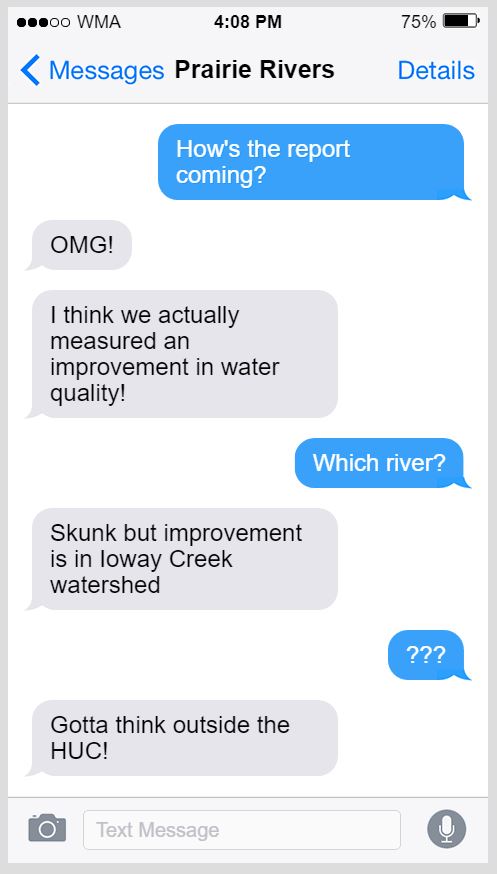
fake text message to introduce blog post

Most water monitoring programs are NOT designed to assess progress.  Often, people don’t begin monitoring in earnest until the grant funding arrives for an improvement project (or on flip side, until an industry with a reputation for pollution sets up shop in the area).  Often, they’re hoping for preliminary results when the grant wraps in 3-5 years.  I’ve been down that road, completed a horrifying statistical analysis, and left this conference poster as a warning to others: “Progress tracking is not a realistic use for typical stream monitoring approaches”.

Our local partners in Story County took this warning to heart and made a plan to sustain water monitoring for at least ten years, while shifting our focus.  We collected lab samples from more sites (less often, and with less hassle) while ramping up the volunteer program, so we could engage the public and get a baseline understanding of water bodies all around the county.  All is well and good.  But now and then I come back to the question “how would you monitor water if you were serious about assessing progress?”.

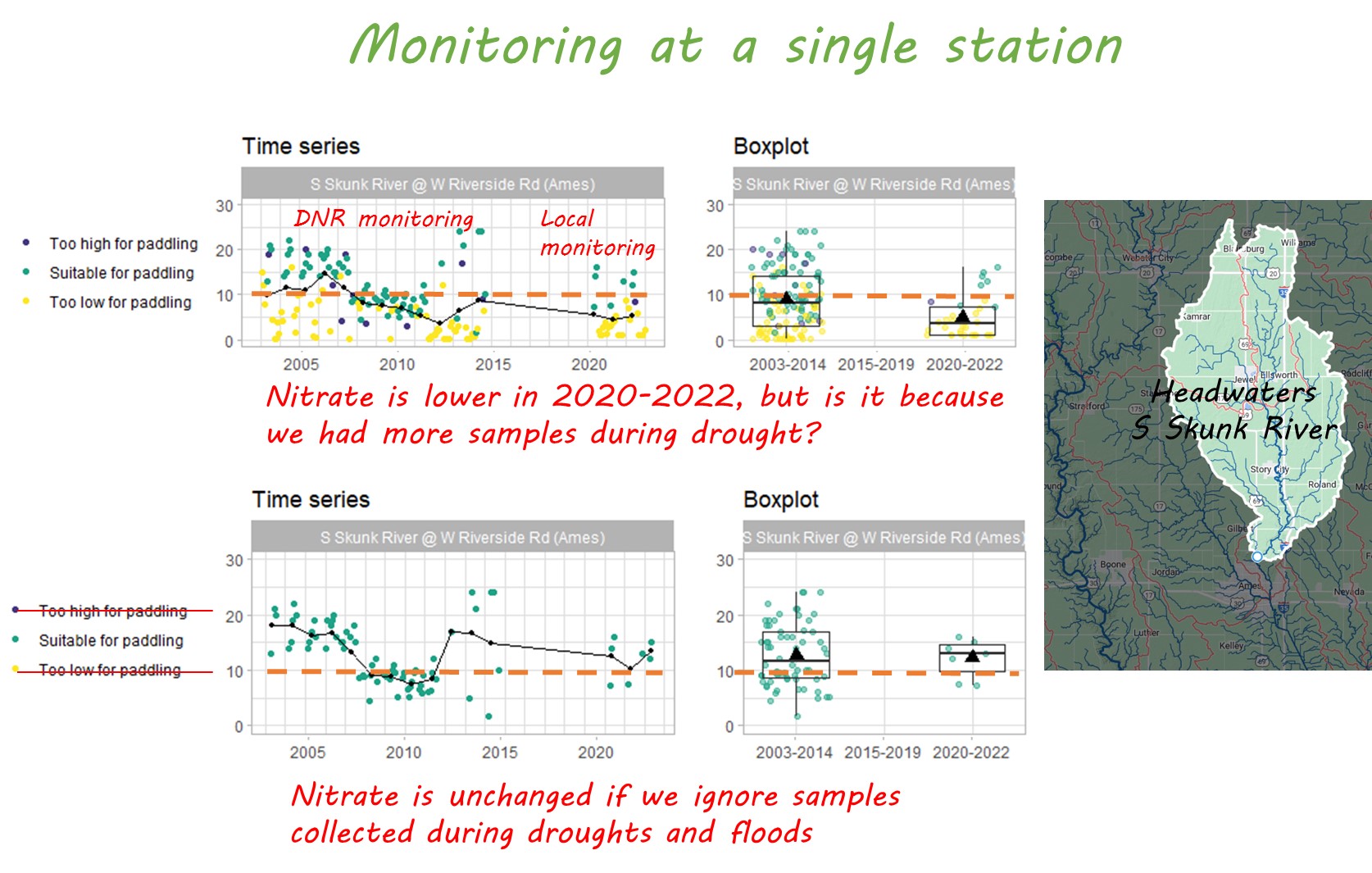
Preliminary results in 3-5 years might be feasible if you already have baseline data for comparison, and account for any big changes in weather.  The South Skunk River just upstream of Ames was monitored from 2001-2014 by the Iowa DNR, and we resumed monitoring it in 2020.  I have good news and bad news for the newly formed Headwaters of the South Skunk River WMA.

  • Good news: average nitrate concentrations over the last three years have declined 46% compared to the baseline period.  Mission accomplished?
  • Bad news: the trend goes away if you exclude samples collected during a drought when nitrate levels are at their lowest.
nitrate trend in south skunk river above Ames

Study design is key for progress tracking.  In order to be sure that water quality really changed, and to be able to link that change to something that happened in the watershed, scientists approach water monitoring like a medical trial.  To do it right, there should be a treatment group (a watershed that receives conservation funding and attention), a control group (a nearby watershed that doesn’t receive funding), a before period, and an after period.  There should be a full accounting of land management and conservation practices in both watersheds.  If the treatment group improves more than the control group, that’s a good sign the medicine works.  At the time we wrote the Story County Monitoring Plan, doing a paired watershed study of the sort that Michelle Soupir did for Black Hawk Lake didn’t make a lot of sense.

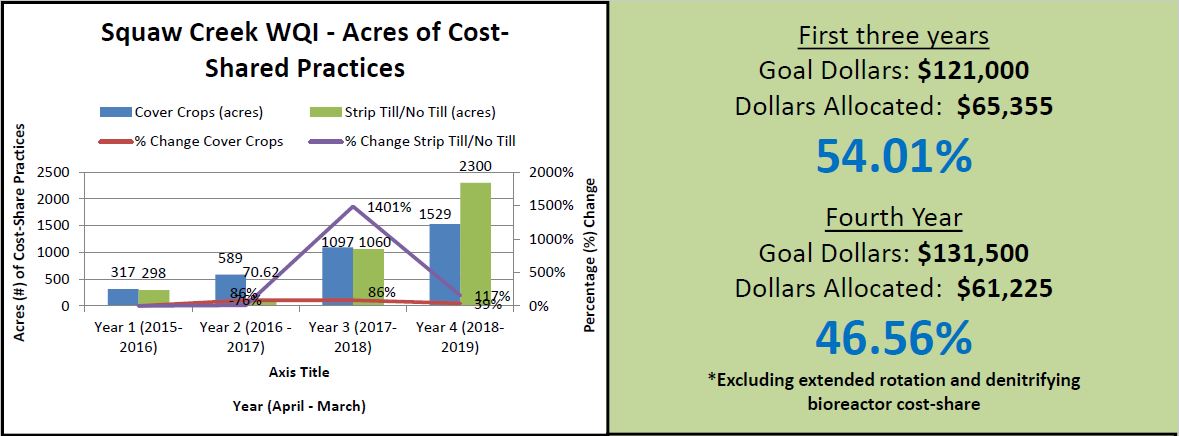
It didn’t make sense to invest in progress tracking, because our WQI-funded watershed project had come to a close, further funding was uncertain, and we couldn’t expect much improvement in water quality based on other metrics to date.  Our watershed coordinators worked really hard, we had enthusiastic partners in local government and agribusiness, and we organized some well-attended field days where we heard from inspiring early adopters of cover crops and bioreactors.  We met some farmers in the watershed who cared enough about soil and water to take a risk and try something new.  Unfortunately, at the end of four years, we had a lot of unspent cost share funds and only enough conservation practices to expect or 1 or 2 percent reduction in nitrogen and phosphorus.  Ioway Creek is a big watershed (147,000 acres).

metrics from wqi project

However, this year I was reviewing our water monitoring data and had one of those moments like when you squint at an optical illusion and suddenly see a rabbit instead of a duck.

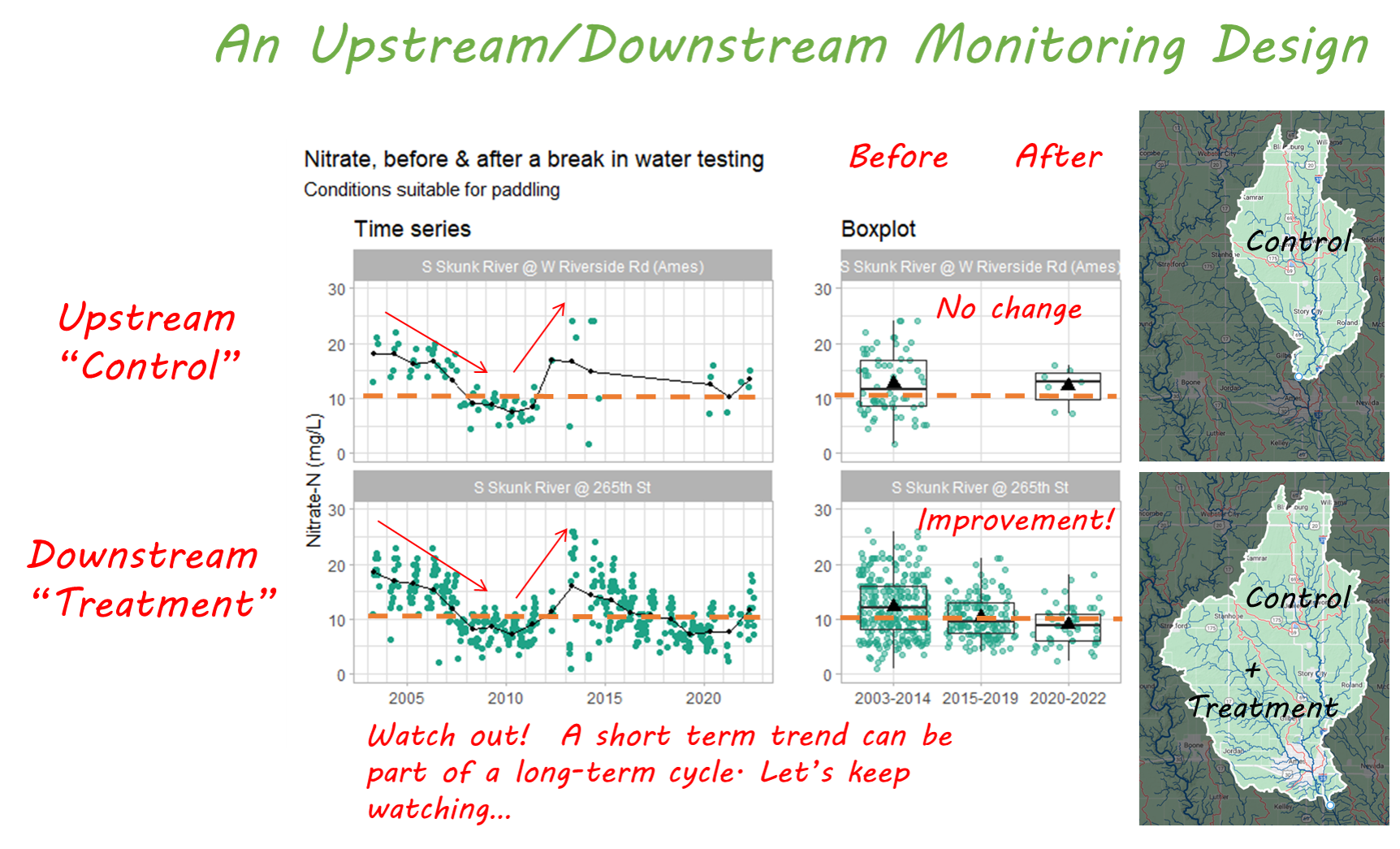
“Hey, that looks a lot like an upstream/downstream study for tracking whether projects in the Ioway Creek watershed and the City of Ames have improved water quality!”

  • The medicine: A bunch of conservation practices were installed between 2015 and 2019, some of which address nitrogen and some of which address other pollutants. We could include Jean’s no-till fields in Hamilton County, Jeremy’s cover crops in Boone County, Gerold’s bioreactor in Boone County, the UV disinfection system in Gilbert, the permeable parking lot at Ames City Hall, the stream restoration and saturated buffer at the Tedesco Environmental Learning Corridor, and many others.
  • The treatment group: A downstream site, influenced by all those conservation practices. The South Skunk River at 265th St. has been monitored weekly by the City of Ames since 2003.  At this point the river drains 573 square miles, corresponding to the Ioway Creek watershed plus the Headwaters of the South Skunk River watershed.
  • The control group: An upstream site, not influenced by these practices. At this point, the river drains 316 square miles, corresponding to the Headwaters of the South Skunk River watershed, minus any land within Ames city limits.
  • A before period: Both sites were monitored between 2003 and 2014.
  • An after period: Both sites were monitored between 2020 and 2022.

And then I made a boxplot and squinted a little more and said, “Hey, it looks a lot like nitrate has improved at the downstream site!”  Same thing for E. coli!  Maybe there’s more to this story than just cost-share metrics.

graphs comparing nitrate at upstream and downstream sites

The analysis is described in more detail in our 2022 annual report on water monitoring in Story County.  We’ll also have some opportunities this year to talk with other groups around the state that are doing water quality monitoring and swap some tips and tricks.

Here’s one of mine. To see the “rabbit” in this data, you have to be flexible in how you think about watersheds.  A watershed is just the land area that drains to a common point.  With the right tools, we can delineate a watershed for any point of interest on the river network.  I’ve taught several classes of ninth graders how to do this.  Neither of these sites are in the Ioway Creek watershed, and they aren’t mentioned in the Watershed Plan, but that doesn’t mean they’re not relevant.  The US Geologic Survey’s system for mapping and numbering watersheds is convenient for many purposes.  But if you have access to long-term monitoring data, don’t be afraid to think outside the HUCs!

An Impressive 2022 Stream Monitoring Season

An Impressive 2022 Stream Monitoring Season

Jess Lancial testing water

Jess Lancial testing water quality (photo credit Story County Conservation)

Volunteer Water Monitoring in Story County

A round of applause for all the volunteers and Story County Conservation staff who have diligently been monitoring their assigned stream twice a month in all kinds of weather!   Also, let’s give a shout-out to the people who work behind the scenes.  Sara Carmichael of Story County Conservation keeps everyone on track and equipped with supplies.  Heather Wilson of the Izaak Walton League of America provides training and support to volunteers around the state.  We rely on the IWLA’s  Save Our Streams program for training materials and the Clean Water Hub for data entry.  The three of us will be meeting the volunteers at a training event later this month to kick off another great season.

Three ways to get involved:

  • There’s room for one or two more volunteers to cover a site in Story County, so contact Sara.
  • If you’d like to try water monitoring without committing to a schedule, Prairie Rivers organizes a one-day volunteer event in the Ames area each May, so keep an eye on our events page.
  • If you don’t live in Story County, the Izaak Walton League is launching a new Nitrate Watch program and you can request a bottle of test strips while supplies last.

In March, Prairie Rivers will release a report detailing the findings, but for now let’s admire the scale and consistency of the effort, which has really improved since last year. (Updated 2023-02-18 to include some data sheets that were entered late)

2022 Season

Volunteers participating

Sites tested at least once

Sites tested at least 10 times

Sites tested at least 20 times

Data sheets entered in the Clean Water Hub

2021 Season

Volunteers participating

Sites tested at least once

Sites tested at least 10 times

Sites tested at least 20 times

Data sheets entered in the Clean Water Hub

Story County Water Monitoring & Interpretation Plan, 2021-2030

Prairie Rivers partnered with Story County and 8 other organizations to develop a ten-year Water Monitoring & Interpretation Plan for Story County.  Regular communication between the various groups testing water helps avoid duplication and leads to new opportunities to improve water quality.  Planning for how data can be used over the long term ensures that we get the most value from our time and effort.   Read the plan here