
March is Iowa history month and that’s a good opportunity to dust off some material from the archives to share the history of lakes in Iowa, some lost and some found.
Iowa has just 34 natural lakes remaining, most of them located in northern and central Iowa, which was covered by the last advance of ice sheets 12,000 to 14,000 years ago. The examples I will use are from Hamilton County, where naturalist Thomas MacBride had this to say:
“None of the lakes hereabout are very deep. They are all marsh-like, only distinguished from a thousand marshes by the courtesy of the pioneer who called them lakes to suit his fancy, recognizing their greater width and possibly, in some cases their bluffy shores.”
-Thomas H. MacBride, Geology of Hamilton and Wright Counties (1910)
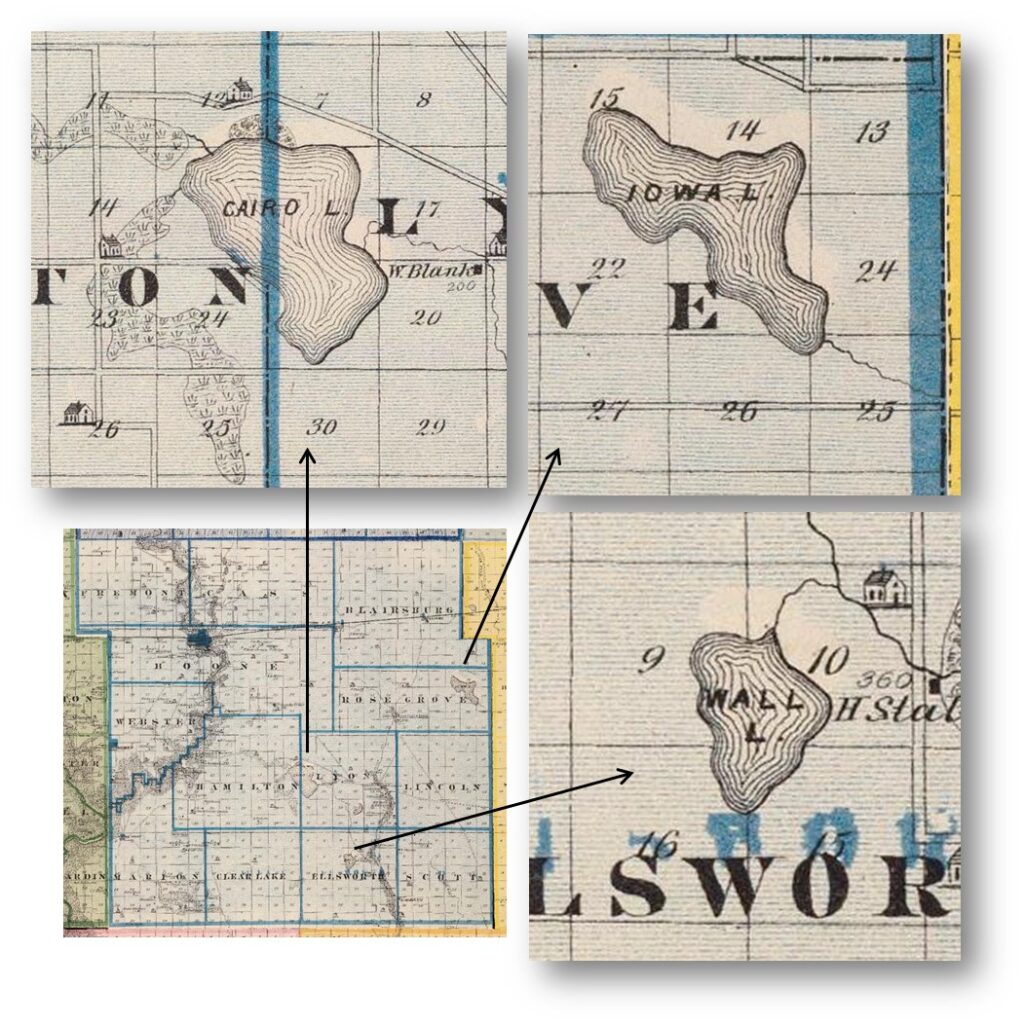
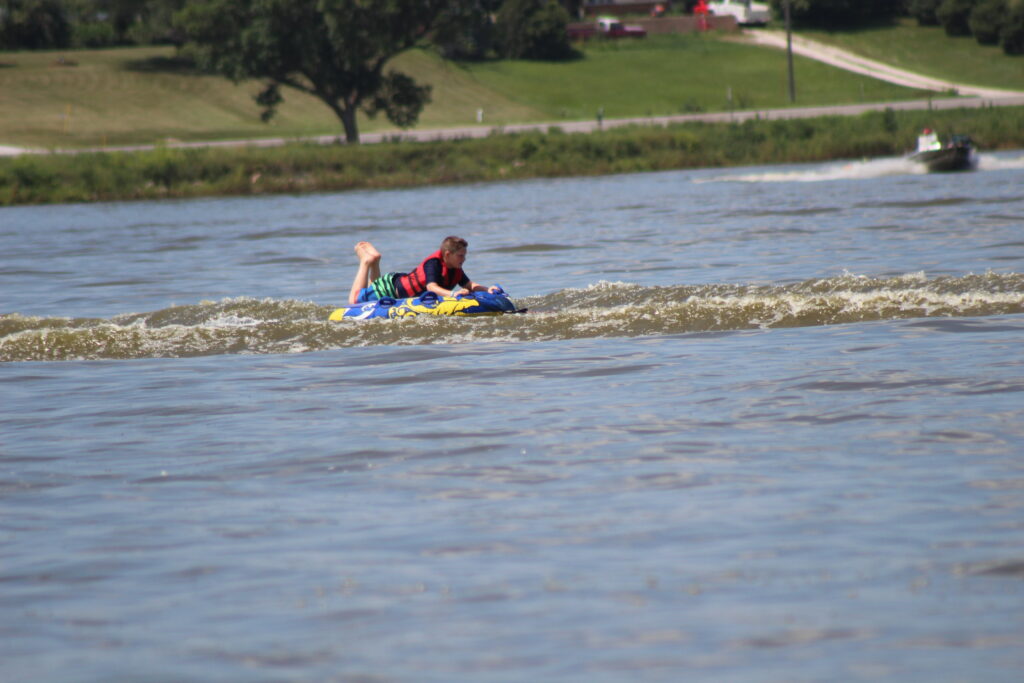
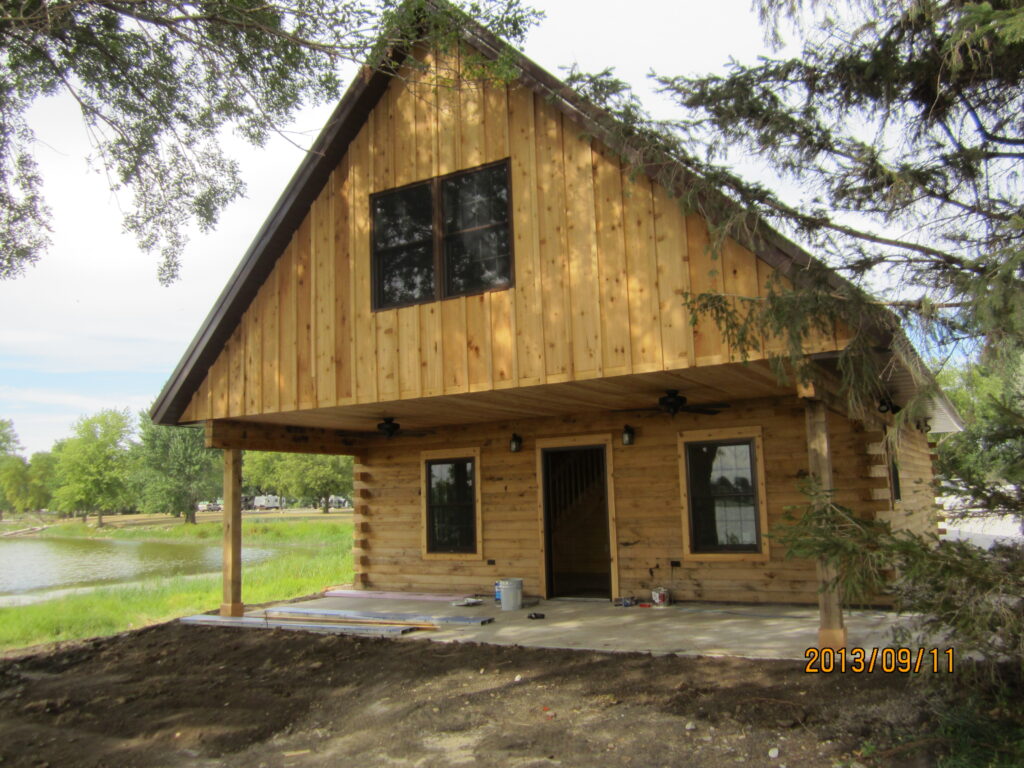
Residents of Hamilton County should recognize one of the lakes on this 1875 map. Little Wall Lake is a popular spot for swimming, fishing, and motor-boating. At 249 acres, it’s plenty big enough to call a lake but only deeper than a marsh because of regular dredging. The lovely cabins for rent from Hamilton County Conservation were built from Iowa-sourced white oak logs as part of a Prairie Rivers of Iowa forestry and economic development project in 2013!
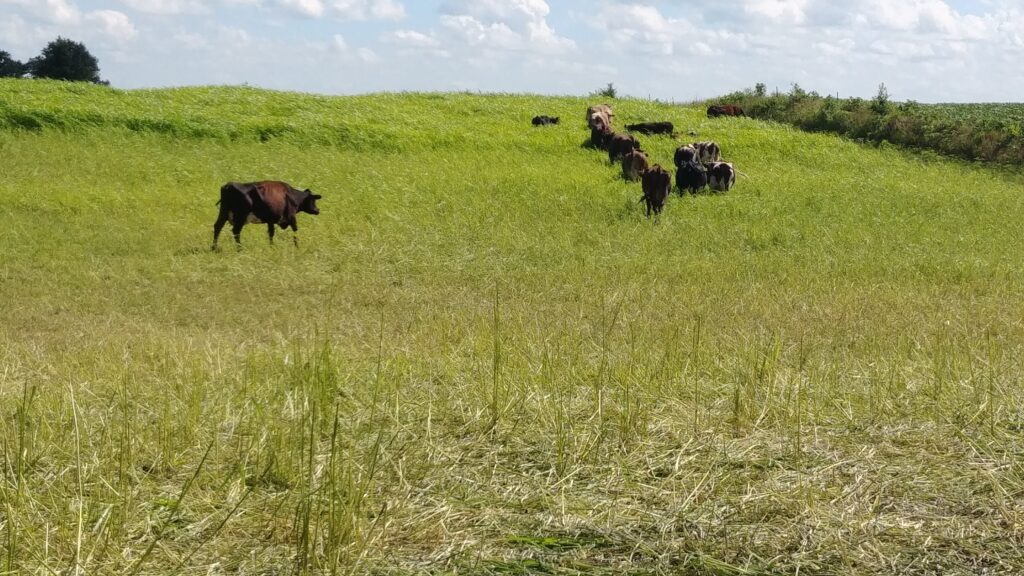
However, the 1,300 acre Lake Cairo and 870 acre Iowa Lake disappeared shortly after A.T. Andreas’s atlas was made. You can still see the shoreline of Lake Cairo on LiDAR, as well as the ditches (Rahto Branch and Ditch 71) built to drain it. Lost Lake Farm, a dairy located on the north “shore”, is named as a nod to that history. They employ rotationally managed grazing practices that build soils and protect water. I got to see this in action as part of Watershed Management Authority field trip in 2018; here’s a photo of the cows making a beeline for the tall grass after the fences are moved!
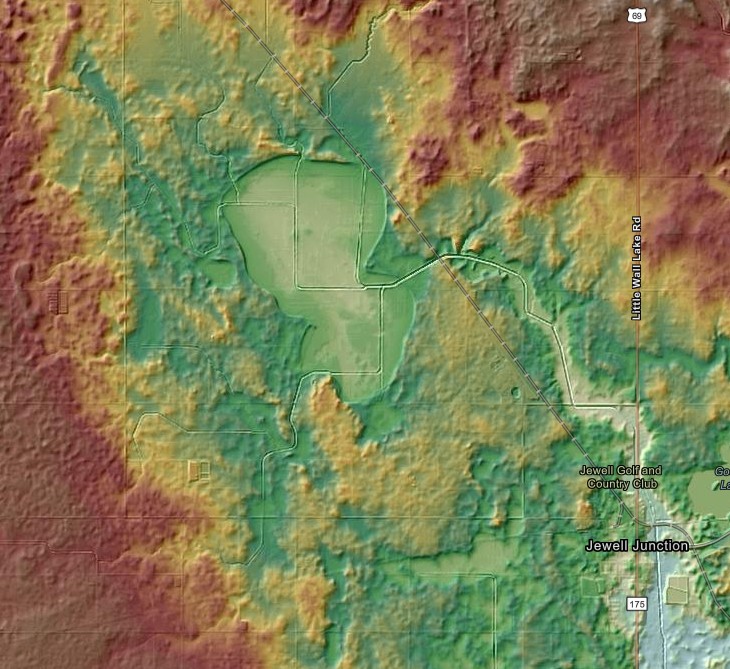
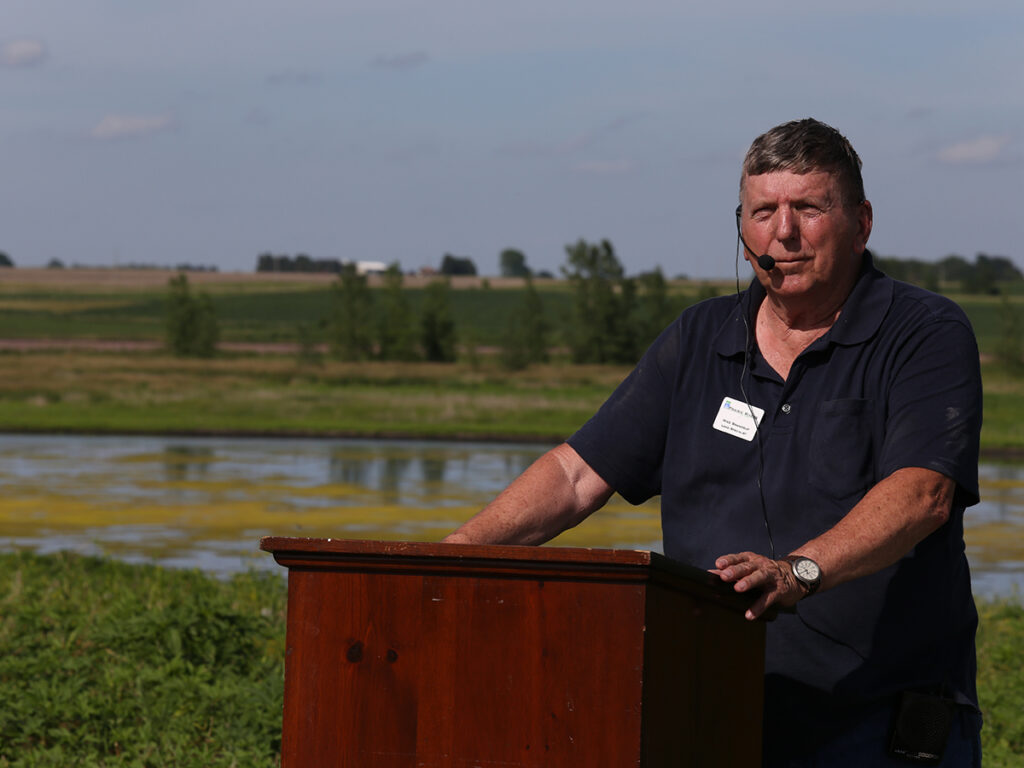
The scale of the drainage work is impressive, especially given the technology available at the time, and was just one of many such alterations that built up Iowa’s agricultural economy. In this case it made farmable over 1000 acres of Blue Earth muck loams with a corn suitability rating of 63 to 66. However, even at the time, there were disputes about how to balance public and private interests. To learn more about the history of drainage, I recommend a presentation by Joe Otto, recorded on Iowa Learning Farms.
The balance shifted as cropland became abundant and natural areas became scarce. In 1920 (partly at the urging of Thomas MacBride, quoted above) Backbone was dedicated as Iowa’s first state park. The Civilian Conservation Corps built a low dam on the Maquoketa River to form Backbone Lake in the 1930s and since then over 100 other lakes have been created in Iowa for public use by damming streams or by digging quarries and borrow pits.
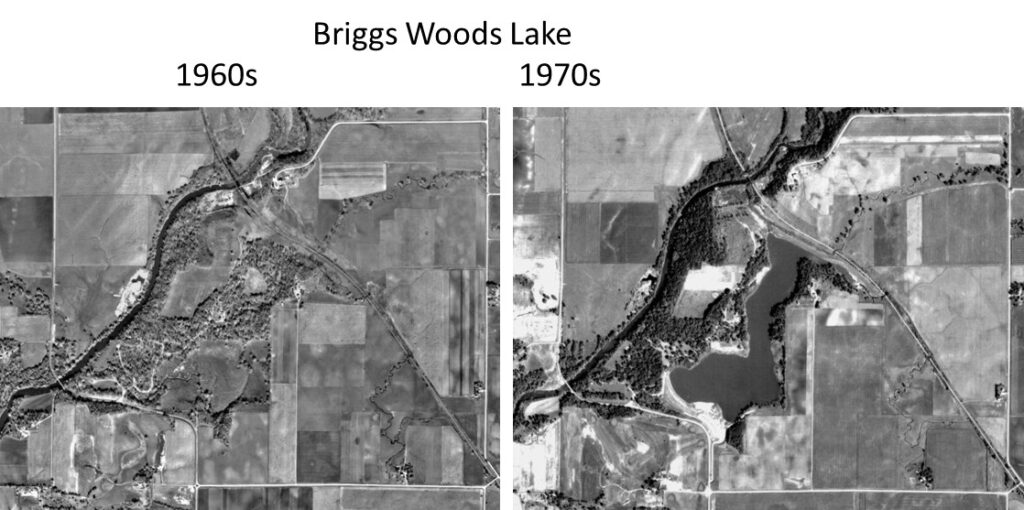
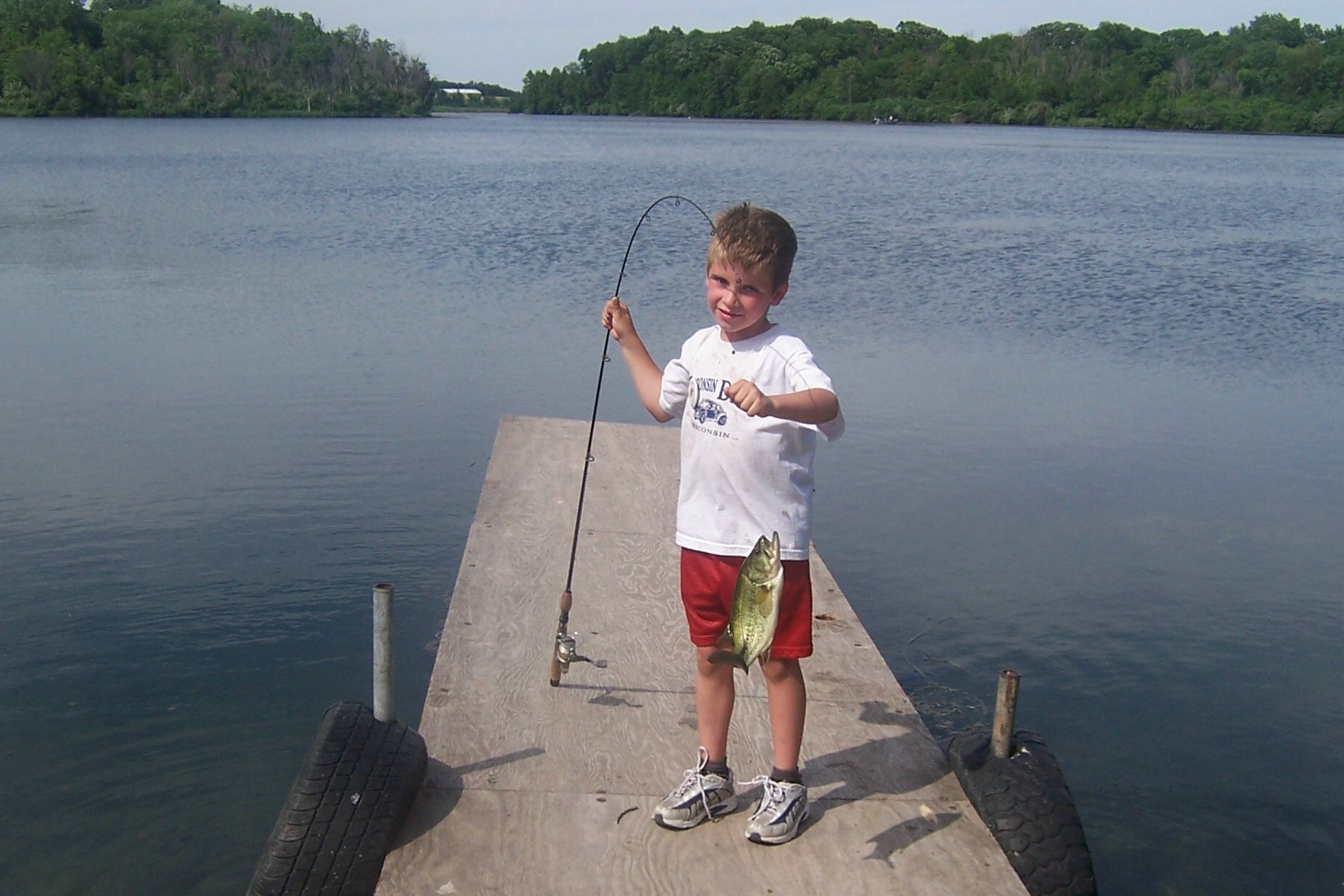
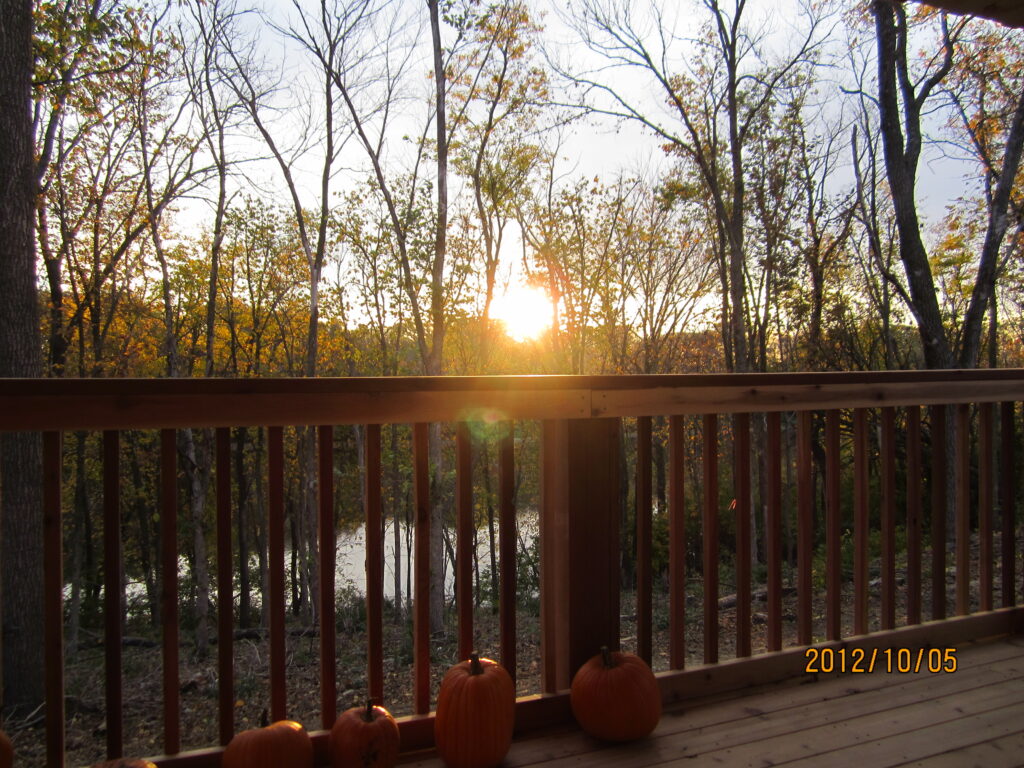
In 1919, Iowa’s first county park was established in Hamilton County, not far from Lake Cairo, and Briggs’ Woods Lake was created sometime in the late ’60s by damming Terwilliger Creek. There are some more log cabins at this park, also built with the help of my former colleague Mike Brandrup. The porch is a good place to watch the lake and reflect on the complicated history of Iowa’s land and water!
Informative and great fun to read about our changing landscape. Well-written! Thank you, Daniel.