Trees for the Bees: How to Support Wildlife this Arbor Day!

Trees for the Bees: How to Support Wildlife this Arbor Day!
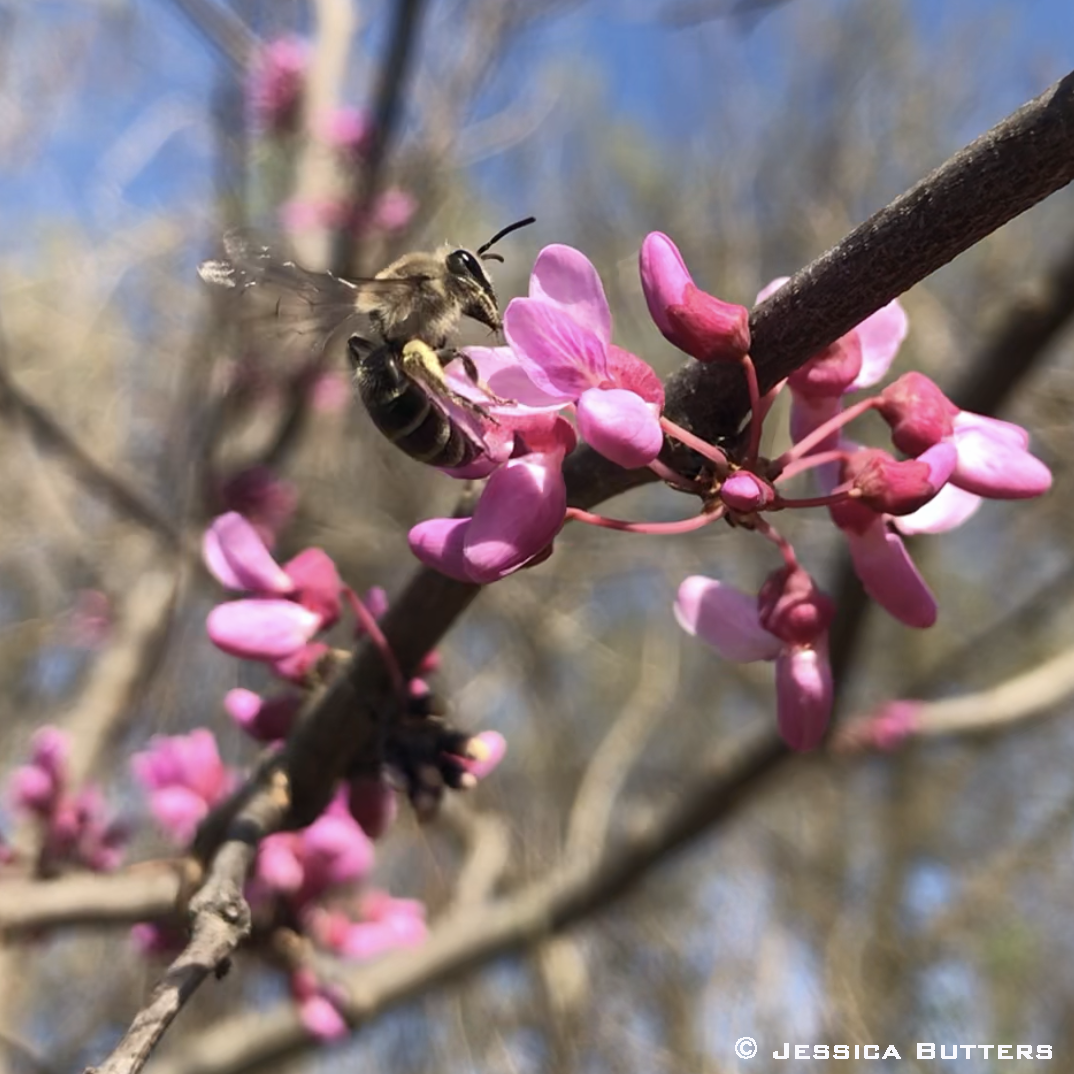
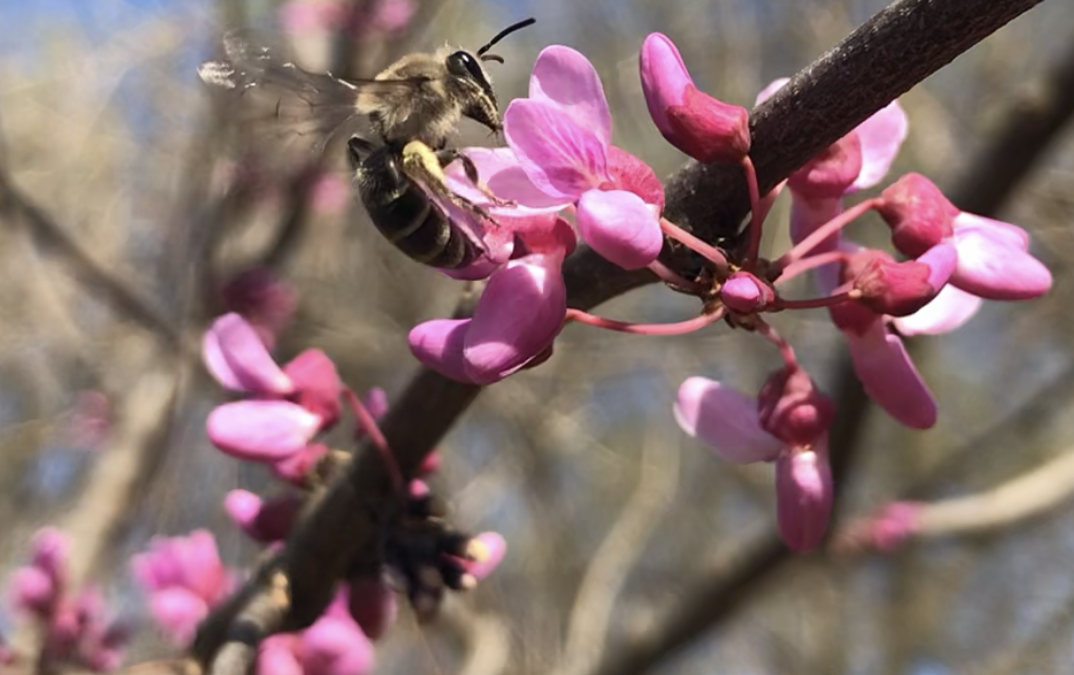
A native bee visiting a redbud tree.

These warmer days make it hard to sit still; we all want to get a jump on our yard and garden plans! Maybe you’re thinking of adding some small pockets of pollinator habitat. Or perhaps you’ve finally decided to add a tree or two for shade. While there’s a dizzying number of guides for “pollinator flowers”, there’s less advice on how homeowners can utilize trees and shrubs to support wildlife.

Planting a tree can be an investment not only of money but of time as well. When thinking about the long-term goals for your property, it’s important to think about the legacy you want to leave behind, as the tree may outlive you. Planting the right trees can not only increase your property’s appeal; it can also provide habitat for songbirds and pollinators for decades to come! So which trees are attractive to pollinators, are native to Iowa, and look great in our yards? We’ve put together a list to answer some of these questions, just in time for Arbor Day, which falls on April 28 this year!

But first: why trees?

Native trees and shrubs provide excellent wildlife habitat in several ways. Many provide an early flower source for pollinators such as bees and butterflies, and they are also great habitat for birds! Trees provide nesting and hiding areas for birds, and can attract insects that birds need to feed their chicks (more on that later). Planting native trees will especially invite butterflies and moths to visit your yard and lay their eggs, which hatch into caterpillars. These caterpillars then snack on tree and shrub leaves (they won’t do any real damage) until they spin their chrysalises or get plucked by a bird. Caterpillars and other insects are fundamental to the food web: they are the juicy, protein-filled link between plants and larger animals. If you want to see beautiful butterflies and songbirds, you should plant native trees that support native insects!
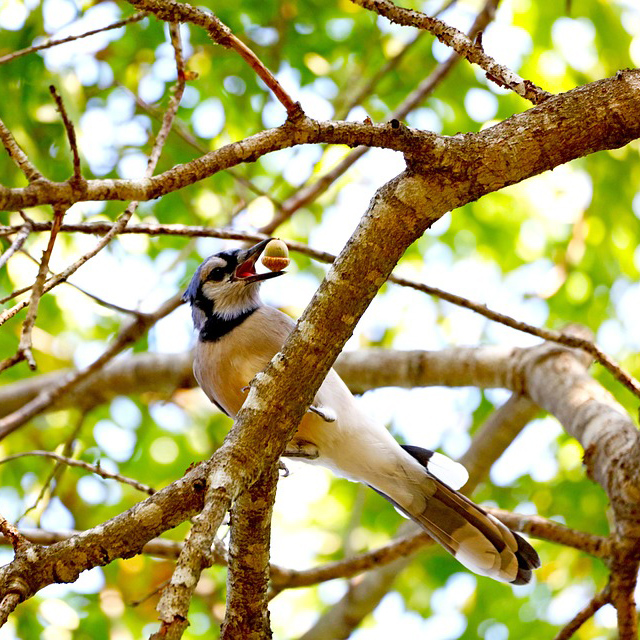
A blue jay with an acorn.

Native trees are central to an exciting, diverse yard!

The nonnative ginko tree (the one with fan-shaped leaves) supports about 4 species of caterpillars. In contrast, native oak trees alone can support 534 species of caterpillars (according to Dr. Doug Tallamy*). Consider the fact that black-capped chickadees need at least 300 caterpillars a day to feed their chicks – that’s about 5,000 caterpillars needed in a few weeks while the chicks grow! And this is just one example. Imagine if you had three chickadee families in your yard, or five other species of birds visiting your feeders. Suddenly, native trees just seem practical, and planting nonnative trees, such as a ginko, seems, as Tallamy put it, “equivalent to erecting a statue” in terms of its usefulness.
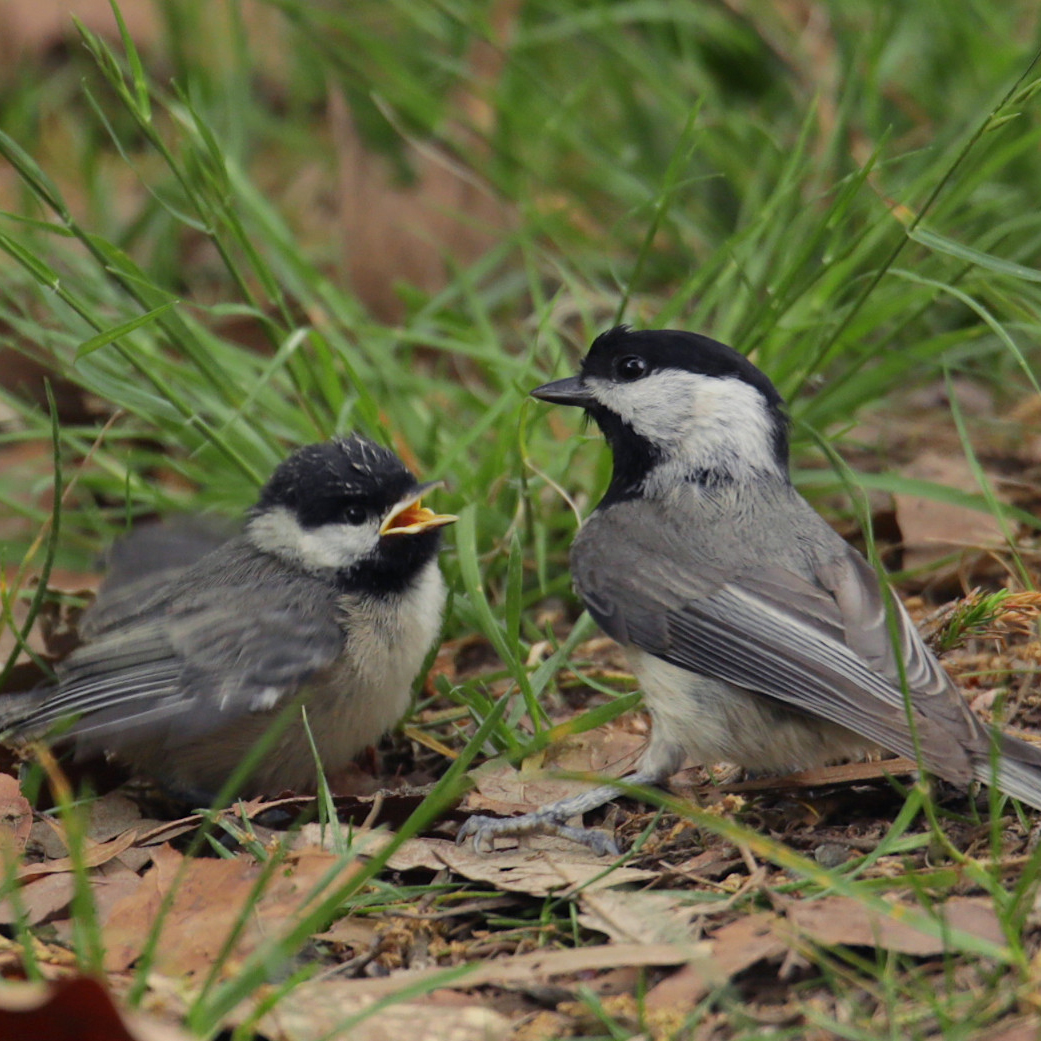
A young chickadee and parent.

Unhelpful trees:

Let’s address the elephant in the room: some trees and shrubs commonly planted in yards are pretty damaging; they easily spread from our yards and choke out native plants that wildlife depend upon, and cost cities and counties thousands of dollars to remove from natural areas and building foundations (some of these trees’ roots can actually compromise the integrity of buildings). Some trees and shrubs to stay away from include: Bradford or Callery pear trees (Pyrus calleryana; also their flowers smell bad), Norway maples (Acer platanoides), buckthorn (Frangula species), multiflora rose (Rosa multiflora), tree of heaven (Ailanthus altissima), and Amur and Morrow’s honeysuckle (Lonicera maackii and L. morrowii, respectfully).


Lastly, do your best to avoid planting cultivars and hybrids that promise better color, bigger flowers, etc. Most native trees (especially maples) produce spectacular fall color anyway, and the hybrids you see in the nurseries will likely be sterile, and won’t produce flowers that attract pollinators or birds (if they produce any at all). It is also important to note that nonnative shrubs, trees, and hybrids may tout that they produce berries, and therefore support wildlife. Birds in particular may feed on berries only certain times of the year, and that time may not coincide with berry production on hybrid plants. Additionally, these nonnative plants will not come close to supporting the number of caterpillars needed to keep birds nesting in or near your yard.
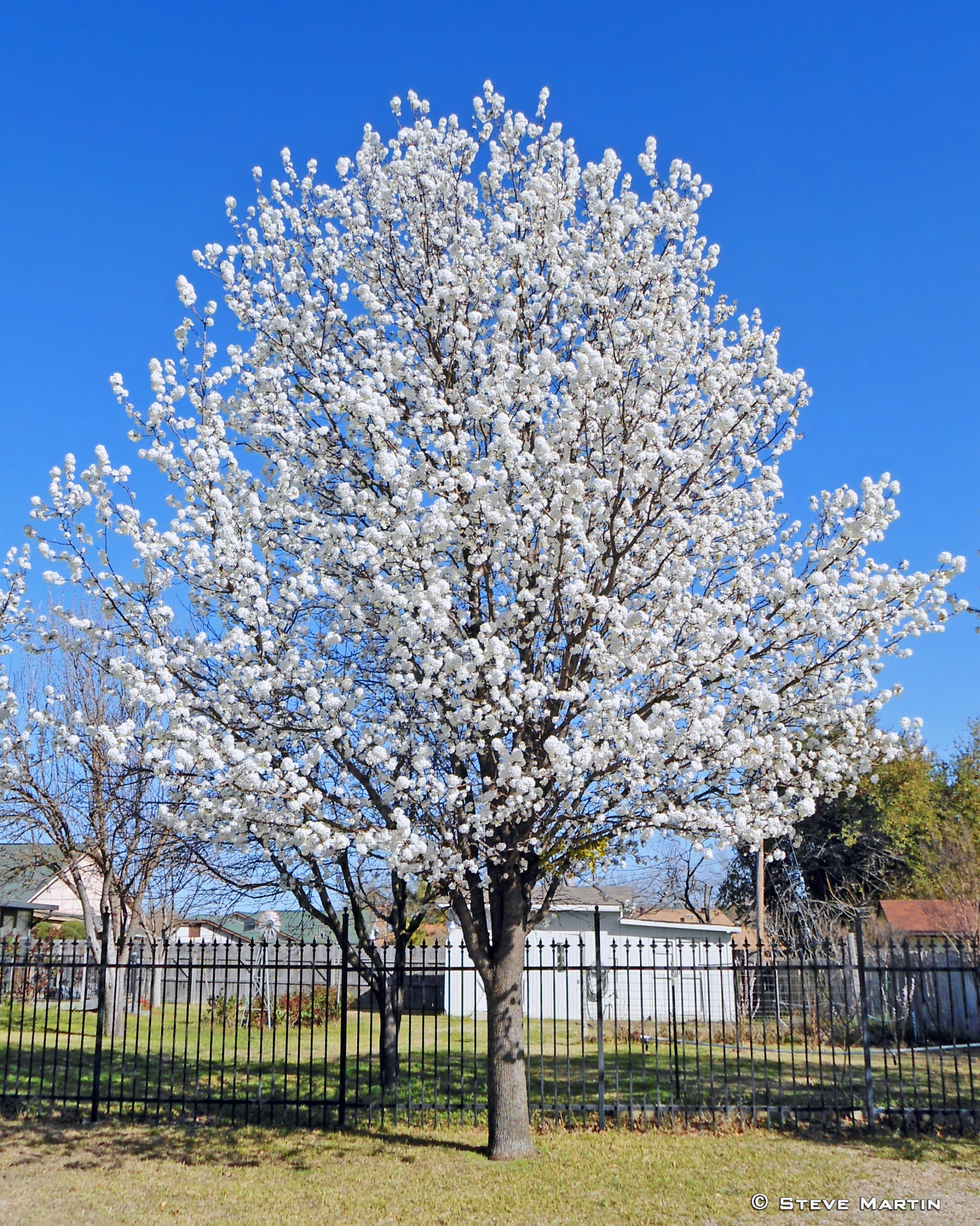
Bradford pear tree with smelly flowers.
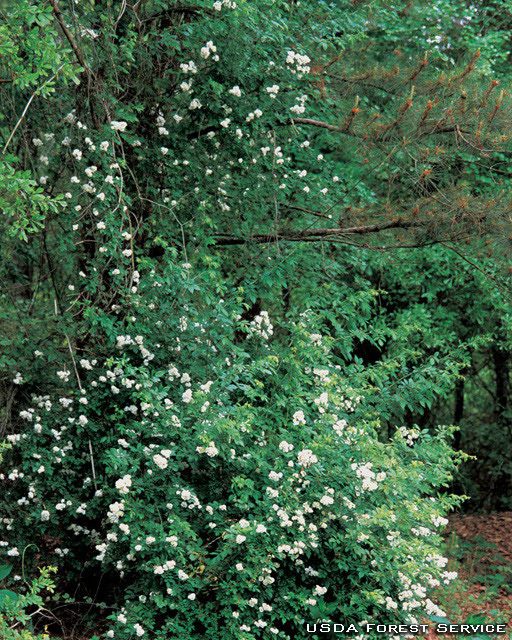
Multiflora rose choking out trees.

Now for the main event: the best shrubs and trees to plant!

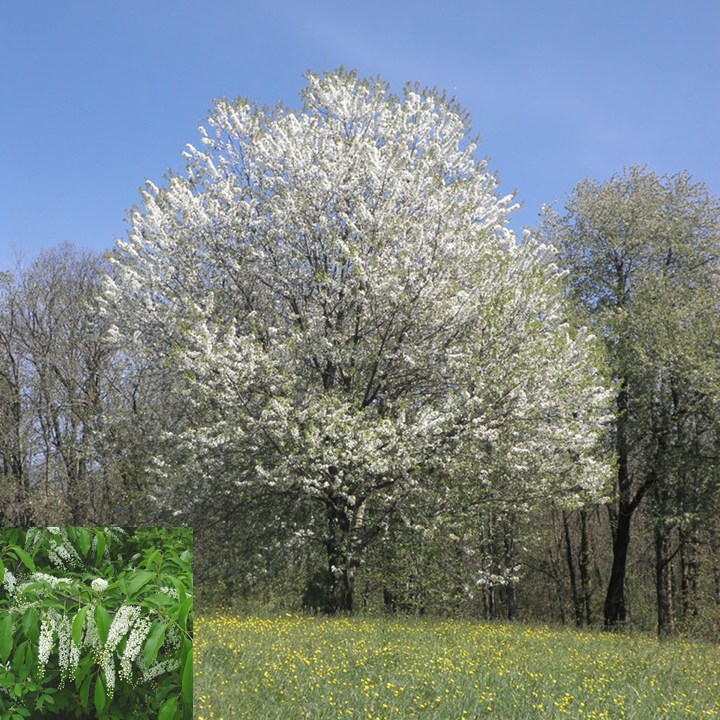
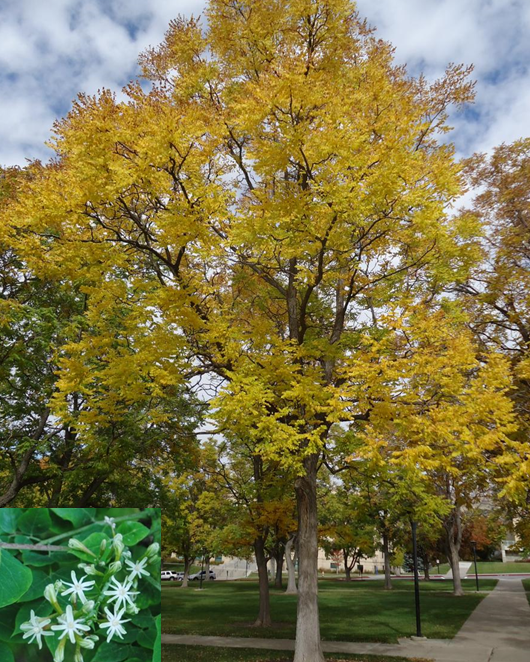
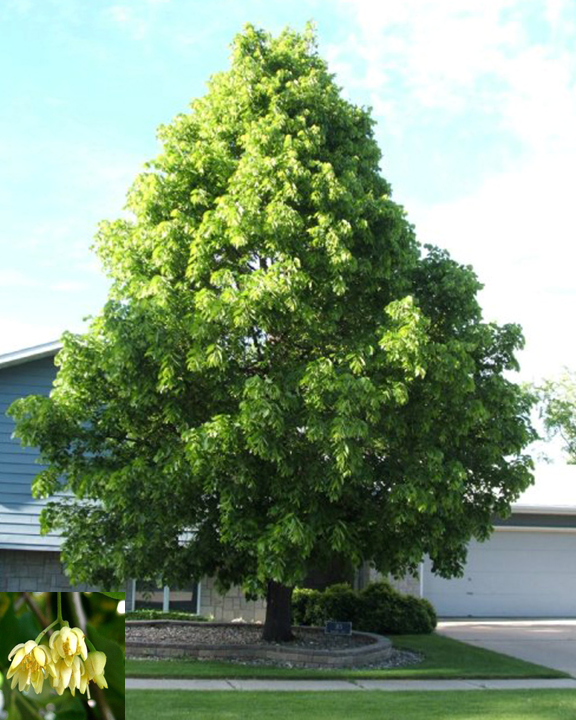
How the lists are set up: Shrubs, small trees, and larger trees that are native to Iowa and beneficial to pollinators are listed below in order of bloom time. Each table describes a specific genus or species of tree, which is pictured to the right of the table (or below in mobile format).

Shrubs and small trees are listed first, and larger trees are listed afterwards. A small picture of the blooms produced by a shrub or tree may be displayed in the corner of the picture of the mature plant. These are not exhaustive lists; they are meant to get you started!

{ See end of article for a list of places to purchase native shrubs and trees! }

Shrubs


The following native plant species are shrubs and small trees reaching a maximum height of 30 feet. These trees are perfect for small yards, or large yards that want to add visual interest and diversity by planting trees of varying heights. Some of these shrubs also make great hedges or borders near property lines! Be sure to look up how some of these shrubs spread to make sure their maintenance needs meet your expecations.

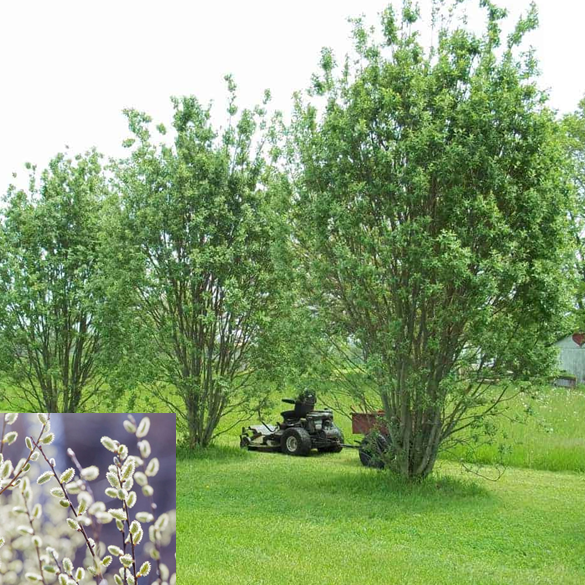
Common NameBloom PeriodSun and Soil Needs
Pussy WillowEarly to Mid-SpringFull Sun, Wet – Moist
Species NameBloom LengthWildlife Supported
Salix discolor2 WeeksPollinators, Birds
Max HeightBloom DescriptionFall Color
6 – 20 ftSmall, fluffy white catkinsDull green – yellow


Butterfly weed
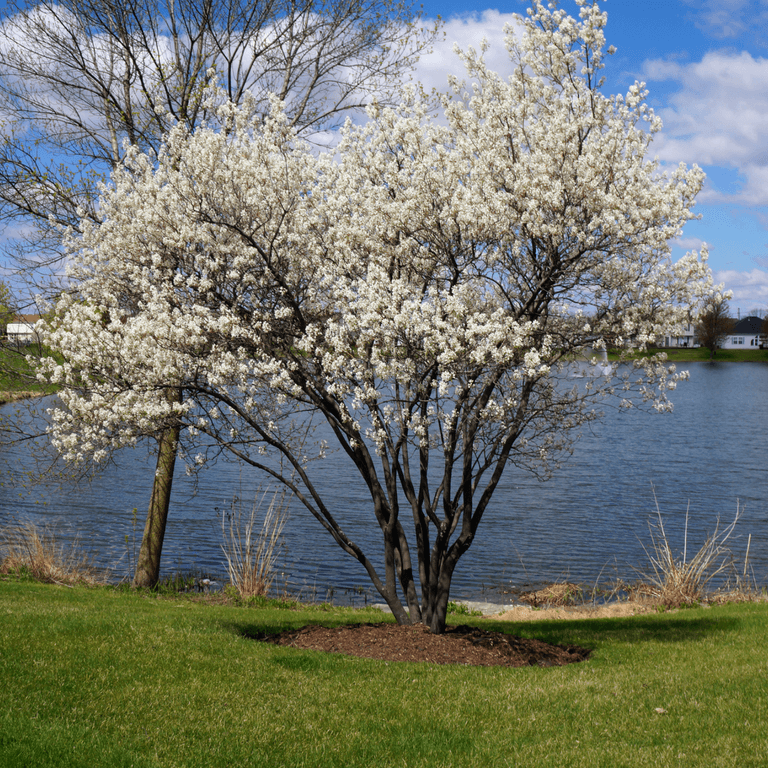
Common NameBloom PeriodSun and Soil Needs
Serviceberry (Juneberry)Mid-SpringPart – Full Sun, Moist – Dry
Species NameBloom LengthWildlife Supported
Amelanchier arborea1 – 2 WeeksPollinators, Birds, and more
Max HeightBloom DescriptionFall Color
6 – 20 ftWhite, 1-inch flowersRed-orange


Butterfly weed
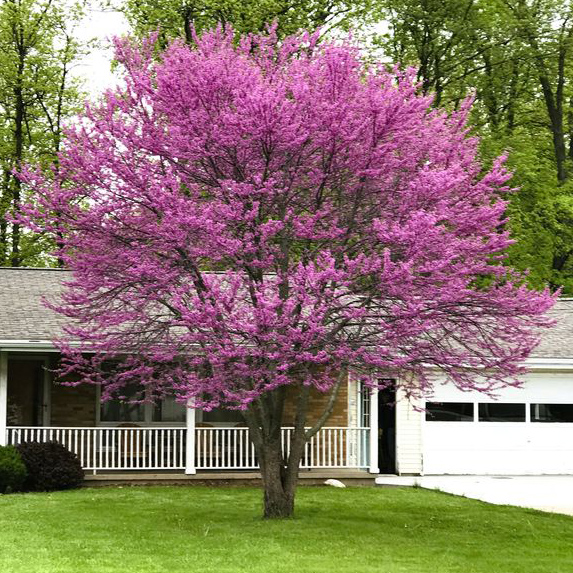
Common NameBloom PeriodSun and Soil Needs
Eastern RedbudMid-SpringPart – Full Sun, Moist – Dry
Species NameBloom LengthWildlife Supported
Cercis canadensis4 WeeksPollinators
Max HeightBloom DescriptionFall Color
15 – 25 ftShowy pink flowersYellow


Butterfly weed
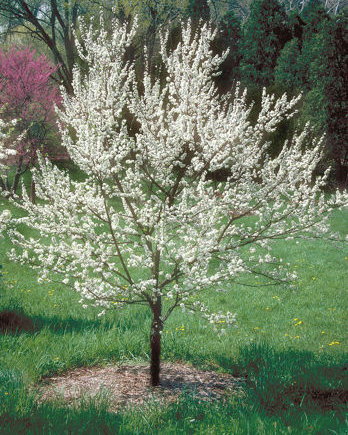
Common NameBloom PeriodSun and Soil Needs
American PlumMid- to late SpringPart – Full Sun, Medium
Species NameBloom LengthWildlife Supported
Prunus americana2 WeeksPollinators, Mammals
Max HeightBloom DescriptionFall Color
10 – 15 ftShowy white flowersRed to Yellow


Butterfly weed
Common NameBloom PeriodSun and Soil Needs
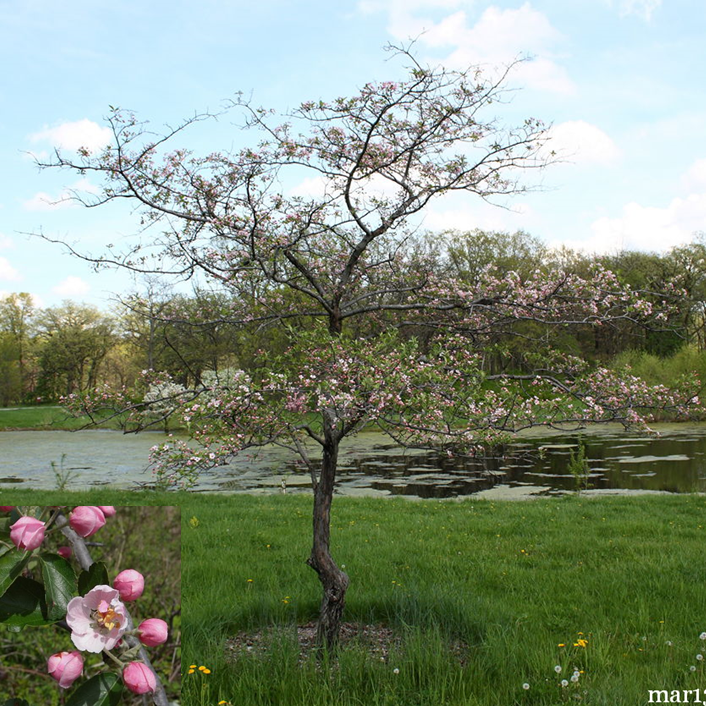
Prairie Crab AppleLate SpringPart – Full Sun,  Moist – Medium
Species NameBloom LengthWildlife Supported
Malus ioensis1 – 2 WeeksPollinators, Birds, and more
Max HeightBloom DescriptionFall Color
10 – 25 ftShowy white-pink flowersBrown-orangeish


Butterfly weed
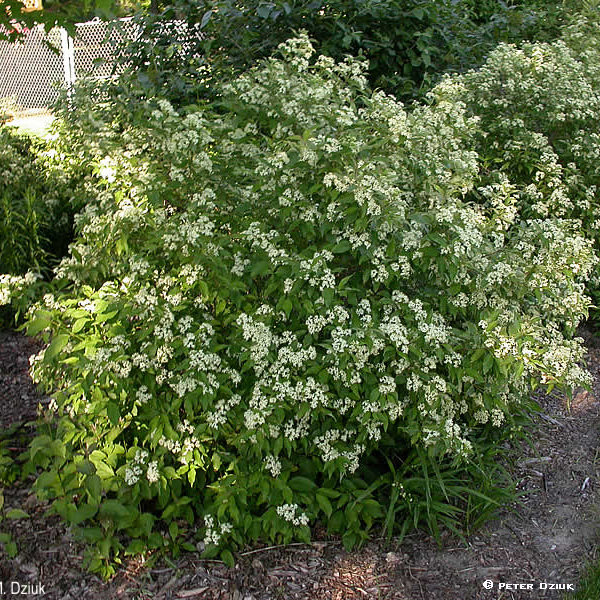
Common NameBloom PeriodSun and Soil Needs
Gray DogwoodLate Spring to Mid-SummerPart – Full Sun,  Moist – Medium
Species NameBloom LengthWildlife Supported
Cornus racemosa3 WeeksPollinators, Birds, and more
Max HeightBloom DescriptionFall Color
8 – 15 ftShowy white flowersRed-purple


Butterfly weed
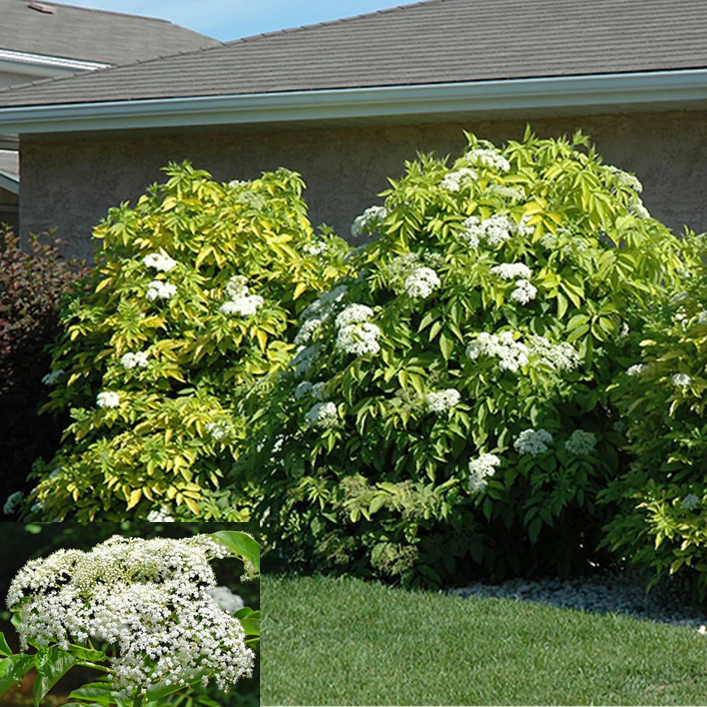
Common NameBloom PeriodSun and Soil Needs
American ElderberryLate Spring to Mid-SummerPart – Full Sun, Moist
Species NameBloom LengthWildlife Supported
Sambucus nigra canadensis, or Sambucus canadensis3 – 4 WeeksPollinators, Birds
Max HeightBloom DescriptionFall Color
4 – 12 ftShowy white flowersBrown-reddish to Yellow


Butterfly weed

Trees


The following species are taller native trees ranging from 40 to 120 feet tall. These trees will provide high-quality habitat in larger yards, and are sure to attract and support wildlife, especially if mutlitple species are planted. Be sure to check if these trees create any fruits or seed pods so you can determine which trees best match your expectations.

Common NameBloom Period Sun and Soil Needs
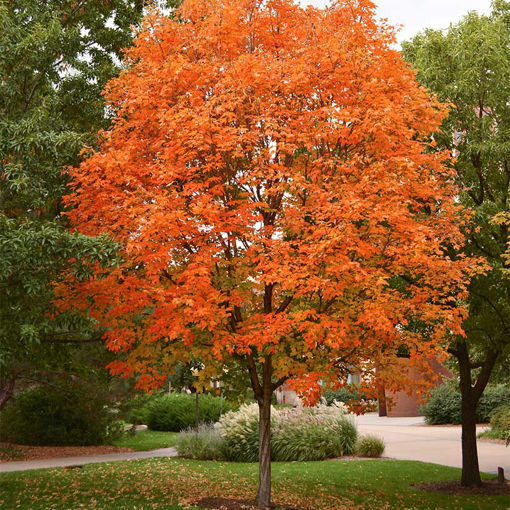
Maples (Sugar, Black, and others)Early to Late SpringPart – Full Sun, Medium
Species NameBloom LengthWildlife Supported 
Acer species1 – 2 WeeksPollinators, Birds,  and more
Max HeightBloom DescriptionFall Color
60 – 100 ftSmall yellow-green flowersStriking colors, varies by species
Bicknell's sedge

Sugar Maple (Acer saccharum)

Common NameBloom Period Sun and Soil Needs
Black CherryLate Spring to Early SummerPart – Full Sun,    Moist – Dry
Species NameBloom LengthWildlife Supported 
Prunus serotina2 – 3 WeeksPollinators, Birds,  and more
Max HeightBloom DescriptionFall Color
50 – 80 ftShowy white flowersYellow to reddish
Bicknell's sedge
Common NameBloom Period Sun and Soil Needs
Kentucky CoffeetreeLate Spring to Early SummerPart – Full Sun,    Moist – Medium
Species NameBloom LengthWildlife Supported 
Gymnocladus dioicus2 – 3 WeeksPollinators, Birds
Max HeightBloom DescriptionFall Color
60 – 90 ftSmall white flowersYellow
Bicknell's sedge
Common NameBloom Period Sun and Soil Needs
Basswood (Linden)Early SummerPart – Full Sun,    Medium
Species NameBloom LengthWildlife Supported 
Tilia americana2 WeeksPollinators
Max HeightBloom DescriptionFall Color
50 – 100 ftSmall white flowersDull green – yellow
Bicknell's sedge
Common NameBloom Period Sun and Soil Needs
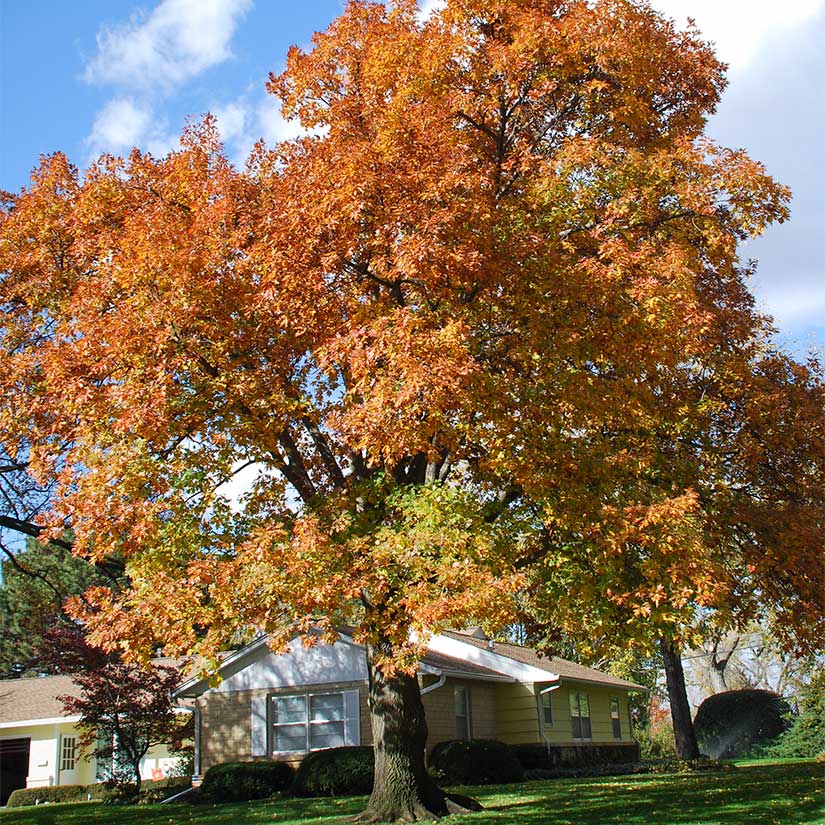
Oaks (Red, White, and others)VariesVaries
Species NameBloom LengthWildlife Supported 
Quercus speciesVariesInvaluable to countless wildlife
Max HeightBloom DescriptionFall Color
40 – 80 ftVariesDull to striking colors
Bicknell's sedge

Northern Red Oak (Quercus rubra)

* = According to research by Dr. Doug Tallamy, author and faculty member at the University of Delaware.\

This article used a number of resources, including:

Ladybird Johnson Wildflower Center                                      Michigan Department of Natural Resources

Missouri Botanical Garden                                                         Michigan State University

University of Minnesota Extension                                            USDA NRCS PLANTS Database


Some great native shrub and tree nurseries:


The State Forest Nursery: Ames, Iowa.  1-800-865-2477 or 515-233-1161

Iowa Native Trees and Shrubs: Woodward, Iowa. 515-664-8633

Blooming Prairie Nursery: Carlisle, Iowa. 515-689-9444

Happy Arbor Day, and happy tree planting!

Dr. Mark Rassmussen Joins Prairie Rivers Board of Directors

Microbiologist Dr. Mark A. Rasmussen recently joined the Prairie Rivers of Iowa (PRI) Board of Directors. Rasmussen retired from the Leopold Center for Sustainable Agriculture in July 2021 and is a professor emeritus at Iowa State University. His academic credentials include emphases in microbiology, ruminant nutrition, animal science, and agronomy.

We are excited to have him serve on the PRI board not only for his vast academic and research knowledge but also, perhaps more importantly, for his strategic planning, resource management, and collaboration skills which are already proving useful as we continue to move forward in our work.

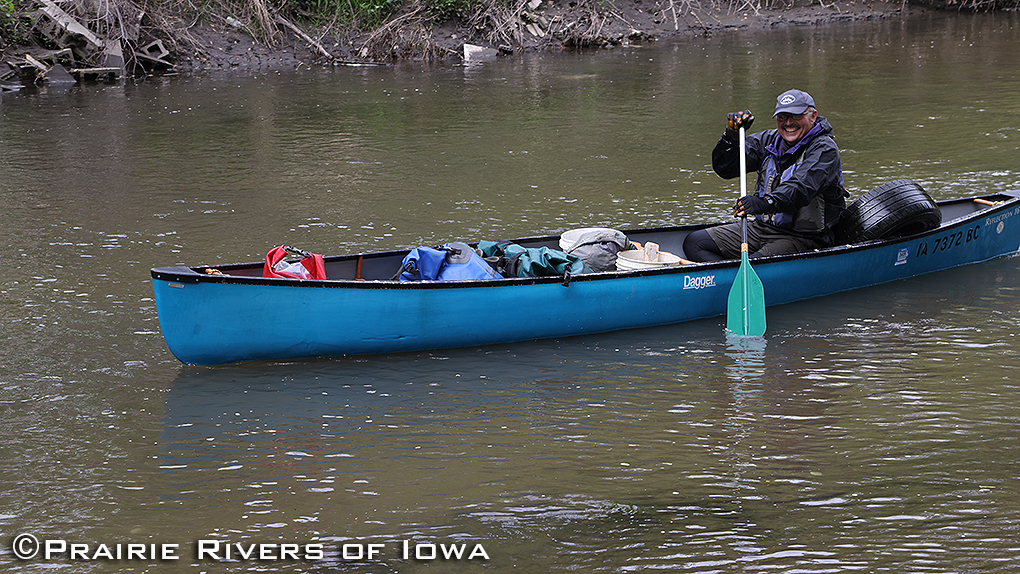
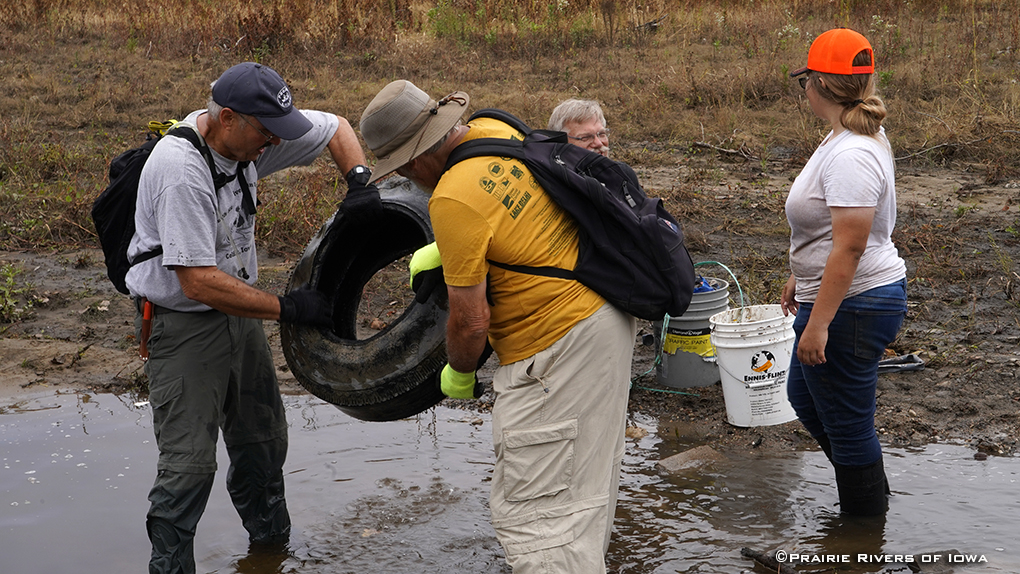
Rick Dietz During 2022 Ioway Creek Cleanup Event

Dr. Mark Rassmussen presenting to a group at Iowa Sate University Curtiss Hall.

“Our Prairie Rivers of Iowa board is excited to welcome Mark Rasmussen! Mark brings a wonderful understanding of our mission and is able to give a new vision as we move forward with our water quality and pollinator programs,” announced PRI Board President Reed Riskedahl.

Rasmussen has an impressive resume of professional history, service, teaching, research writing, speaking, obtaining funding, awards, technical reports, and patents (and this is the shortlist)!

In addition to his leadership at the Leopold Center for Sustainable Agriculture, Rasmussen spent four years at the U.S. Food and Drug Administration as a research microbiologist (two years as a supervisory microbiologist and division director) providing technical guidance and research support related to regulatory decisions regarding drugs, additives, and contaminants in animal feeds and much more. For about 18 years he worked for the United States Department of Agriculture, Animal Research Service, and National Disease Center in Ames, Iowa as a microbiologist and researcher. In 2000 he was appointed lead scientist/microbiologist. As a scientist for the Eastman Chemical Company, Mark conducted research in various aspects of animal nutrition and microbiology with an emphasis on cellulose digestion and fermentation.

The accolades, awards, research papers, presentations, patents, and recognition for academic and other service are too many to mention, but it’s safe to say that Rasmusen’s work in the field is extraordinary.  Highlights include a U.S. Secretary of Agriculture’s Award for Food Safety and has been awarded a couple of U.S. patents.

Please welcome Mark as he becomes deeply involved with the Prairie Rivers staff, partners, volunteers, and our followers as we experience his exceedingly valuable contributions!

Dr. Mark Rasmussen

Clover Lawns: Is the Trend Lucky for Pollinators?

Clover Lawns: Is the Trend Lucky for Pollinators?

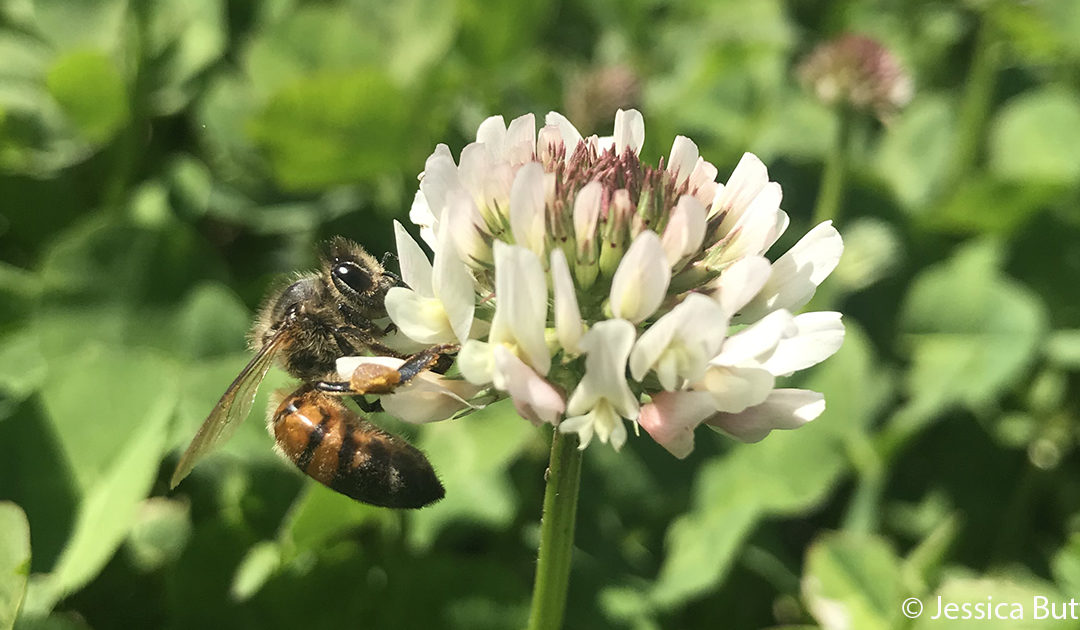
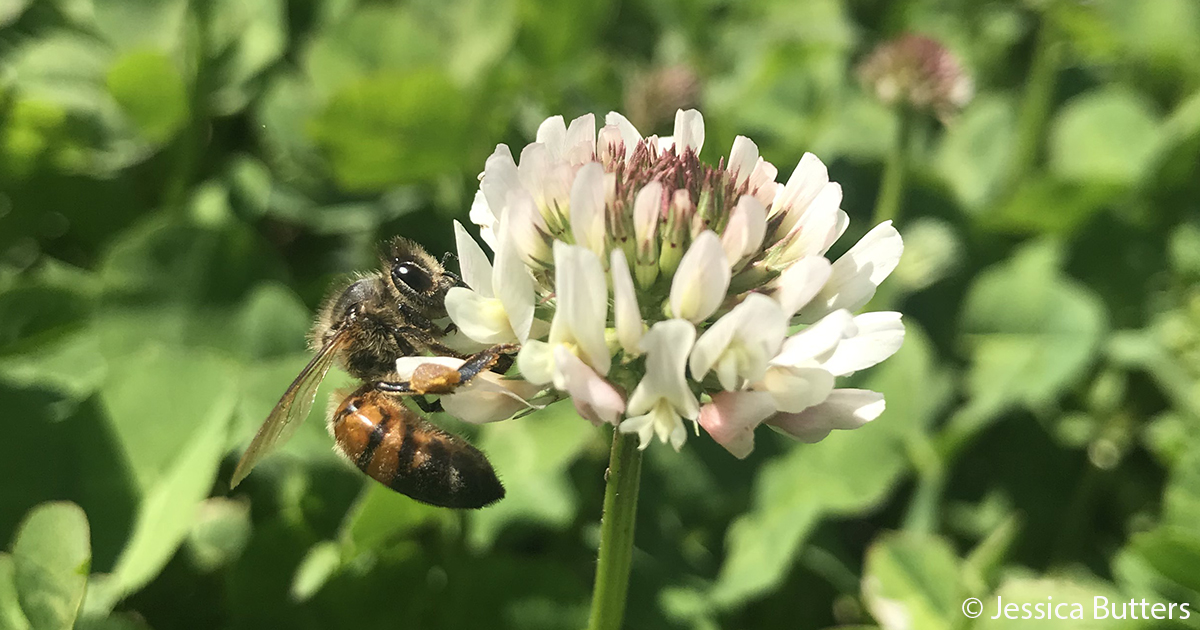
A honey bee visits a clover flower.

The idea of creating a pollinator-friendly yard is finally taking root, and the notion of a perfect lawn, along with its expense, is being weeded out. Clover lawns are one of the latest trends yard owners are trying out in an effort to be more environmentally conscious. This new kind of lawn is often touted to support pollinators, require less up-keep, and lower pollution. But do they live up to the hype?

What is a clover lawn?

What constitutes a “clover lawn” has several renditions. The simplest form of a clover lawn is a lawn in which someone passively allowed clover to establish and grow. They stopped spraying herbicides, mowed less, and allowed grass to die in areas, giving way to clover and other plants. A second kind of clover lawn is one in which clover was actively seeded into the lawn, over the existing turf (this was a common practice until the 1950s). A third way of creating a clover lawn is to kill and remove all turf and replace it entirely with clover, resulting in a uniform lawn.

Common clovers used for lawns are nonnative, including white (Dutch) clover (Trifolium repens) and strawberry clover (Trifolium fragiferum), both hailing from Eurasia. Strawberry clover is also the species included in the Scotts®Turf Builder® Clover Lawn seed. The idea of seeding mini or micro clovers is increasingly popular. These clovers are normally short-statured cultivars of the species listed above. Micro clover lawns are supposed to require even less maintenance and have smaller flowers that attract fewer bees. There are no readily-available native clovers that are marketed for clover lawns (though there are some fantastic native clovers in Iowa).

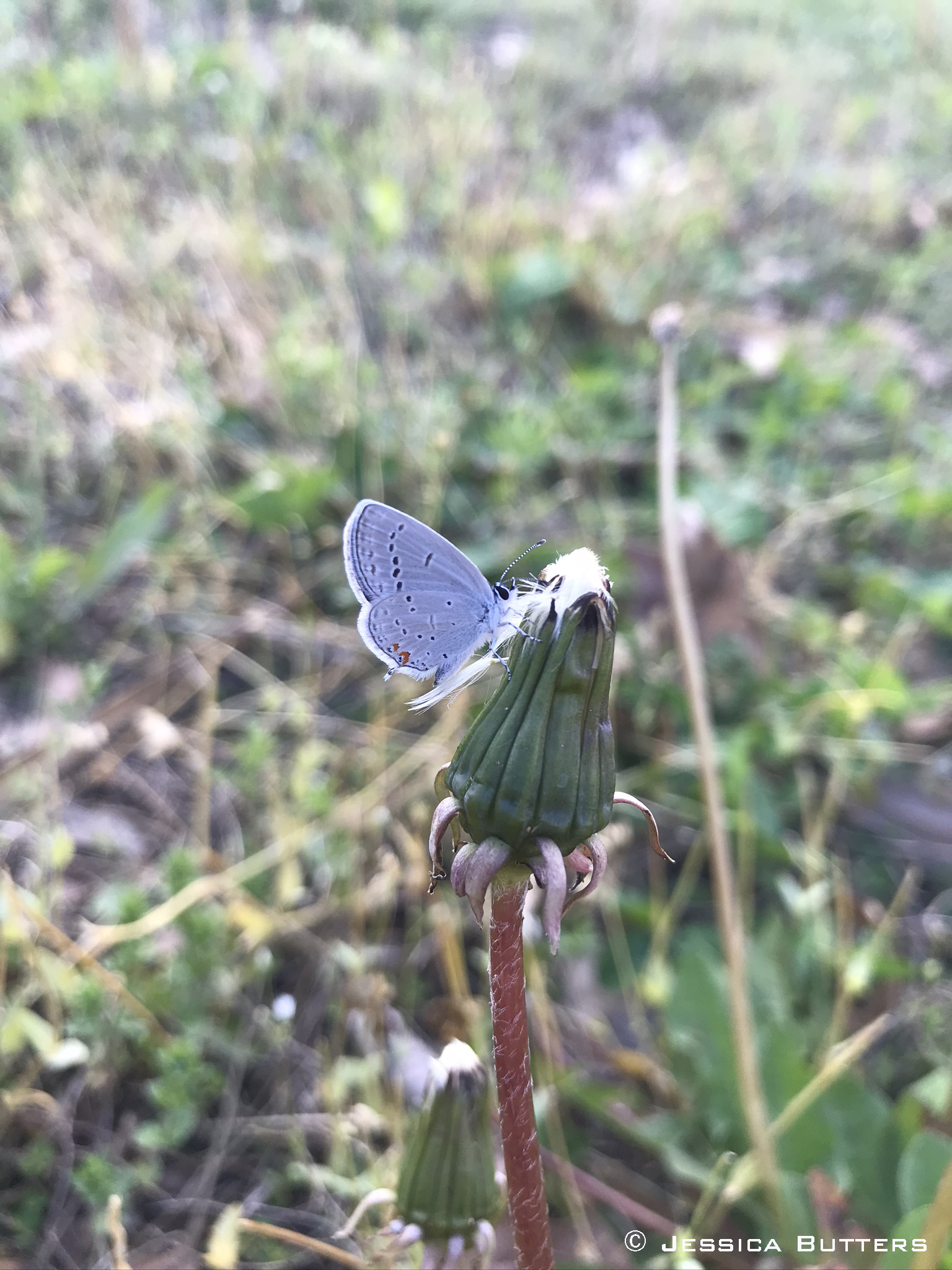
A hairstreak butterfly on a dandelion.

Why would you want a clover lawn?

Those interested in clover lawns will have different objectives. Some are drawn to the fact that most clovers require less care than turf grasses (though they still require regular maintenance). Clovers usually need less mowing, resist weeds, many are drought- and shade-tolerant, and they also fix nitrogen in the soil, eliminating the need for fertilizer. These attributes are also welcomed by those looking to reduce carbon emissions and pollution by requiring less mowing, herbicides, and fertilizers. Lastly, wildlife lovers hope to support pollinators with clover due to the fact that their flowers can attract honey bees and some native bees. However, keep in mind that these positive attributes are good only in comparison to a traditional turf-grass lawn, which provides scant (if any) environmental benefits and requires a lot of maintenance. Additionally, clover does not stand up to heavy foot traffic as well as grasses, and may need to be reseeded every two or three years.

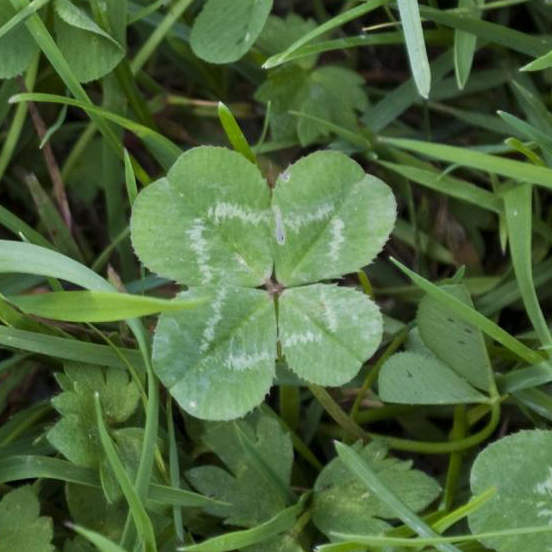
A lucky four-leaf clover.

A lucky four-leaf clover.

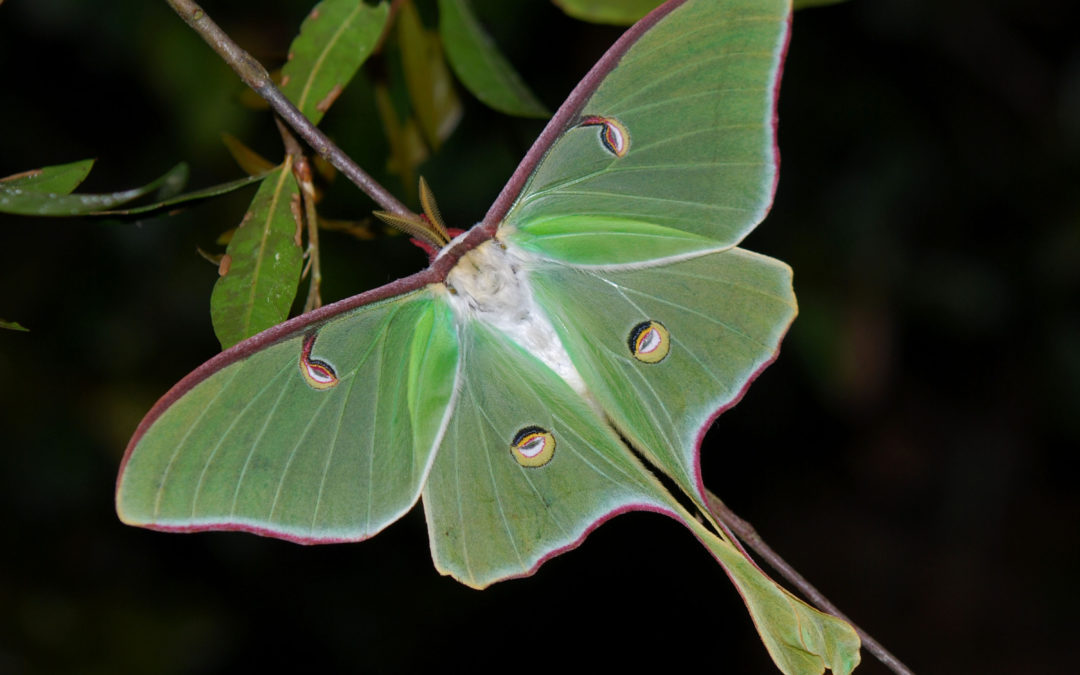
Luna Moth

A native bee visiting nonnative clover.

Do clover lawns benefit pollinators?

Simply put, some clover lawns can provide benefits to some pollinators. If you really want a clover lawn, the best method for wildlife (and your wallet) is to passively allow clover to enter your lawn. This practice requires you to mow less and stop using herbicides, which will keep pollinators in your area healthier.

While there are some benefits to having a clover lawn, they are small from a broader point of view. At the end of the day, adding clover to your lawn adds a few species of nonnative plants in your area, which often provide sub-optimal nutrition to native pollinators. Keep in mind that many pollinators are specialists and will not visit nonnative clover. Additionally, it may be difficult to keep the clover on your own lawn, and out of natural habitats. In contrast, planting a pollinator garden, even a small one, adds multiple native flower species and provides high-quality habitat to native pollinators. Planting within a garden also doesn’t require you to rethink your entire lawn. Finally, a garden is a stronger challenge to the status quo, as planting a diverse and beautiful garden is a lot harder to be annoyed about than nonnative dandelions and clover in your front yard. It is better PR for pollinator habitat: a neighbor with a more traditional mindset for a lawn will not appreciate the spread of “weeds”, but may be open to the idea of creating their own native plant garden.

Are clover lawns worth it?

In my personal opinion, ideas such as clover lawns challenge the current lawn standard, but are not the end goal. They also do not entirely live up to the hype: they still require maintenance, and are not the seed-and-forget or “let it go” solution that many were hoping for. From this point of view, you might as well grow native plants.

From an environmental standpoint, we need more native habitat and less lawn, whether it’s traditional or clover. It would be a more effective and meaningful trend to encourage people to grow “micro gardens” for pollinators instead of praising micro clovers and other nonnative lawn alternatives. To make the biggest impact in your corner of the world, ending pesticide use and planting a native plant garden (even a tiny one!) is best. However, if that kind of project is not possible for you at the moment, ending all pesticide use and choosing to mow less often is definitely “better than nothing”. Doing so will probably invite clover into your lawn, which will suffice until you can start a small garden. The clover trend is not lucky for all pollinators, but a garden that includes native clovers could be!

A sweat bee visiting a native clover.

Welcome Aboard Prairie Rivers Board Member Rick Dietz

Prairie Rivers of Iowa Board Member Rick Dietz is new to our board of directors, but certainly not new to our work. Retired from the City of Ames, Rick volunteers for many organizations including Prairie Rivers, Story County Conservation, the Story County Sheriff’s Dive Team, N-Compass and Project AWARE, the Iowa Natural Heritage Foundation, the Iowa Wildlife Center, STAR 1 Search and Rescue, and the Iowa Department of Natural Resources Rivers Program. Rick has been generous with his gifts, time, and talents as a Prairie Rivers supporter and volunteer. We look forward to the depth of experience and enthusiasm he will bring to the board, our staff, and our partners!
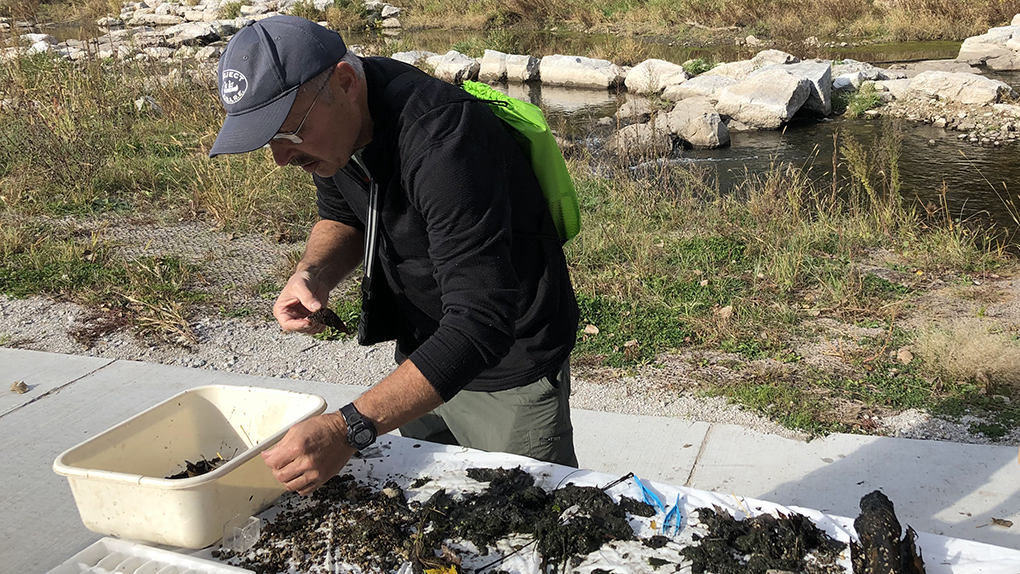
Rick Dietz During 2022 Ioway Creek Cleanup Event

More About Rick:
• Attended Iowa State (majoring in Horticulture) after getting an Associate Degree in Electronic Engineering Technology
• Retired from City of Ames Electric Services in 2015
• Interest in prairies began as a volunteer at the Neal Smith National Wildlife Refuge
• Member of the Panora Conservation Chapter of the Izaak Walton League and the Iowa Environmental Council
• Recipient of INHF’s Hagie Heritage Award (2020), the Olav Smedal Conservation Award, and an IOWATER Volunteer of the Year Award (both in 2006)
• Served in the Army National Guard, 1988-1993

Rick and his wife Carol Hansell, both Iowa natives, live just north of Ames where their home overlooks prairie, woodlands, and the Skunk River Valley.

Significant Black History Along the Lincoln Highway

Significant Black History Along the Lincoln Highway

During Black History Month we pay tribute to a sometimes overlooked, yet highly significant, piece of African American history that took place along the Lincoln Highway in Ames, Iowa.

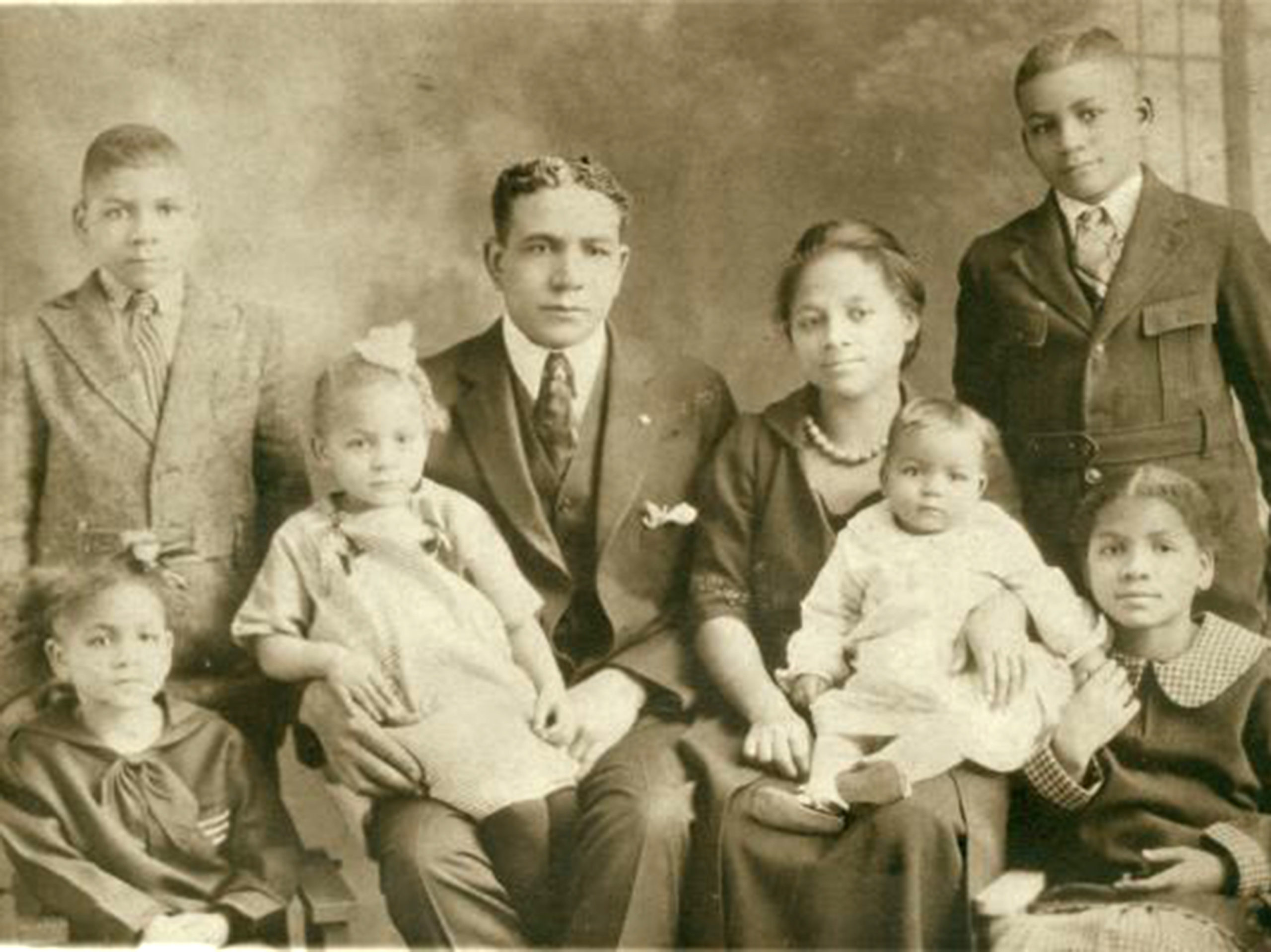
Iowa State College founded in 1858 (now Iowa State University) allowed students of color to attend. But up until the 1940s, they did not have access to on-campus housing unless they roomed together. This “unofficial” policy made student housing nearly impossible due to the low number of students of color enrolled during this time. Meanwhile, two caring individuals, Archie and Nancy Martin opened their home in Ames as a place for male students of color to reside and grow while pursuing their college education. Female students of color were welcomed into the nearby home of John and Nellie Shipp at 118 Sherman Avenue. The Shipp’s daughter Mildred married Hubert Crouch, a student who stayed at the Martin home. Crouch later became the first African American awarded a doctorate in biological sciences at Iowa State University.

The Martin home provided comfort to a small but growing community of Black students, roomers, and visitors including the agricultural scientist, inventor, and first Black student to graduate from Iowa State Agricultural College – George Washington Carver.

Like Carver, the Martins were born into slavery. Nancy migrated north at the age of 60 after impressing Drs. Davis and Jennie Ghrist of Ames with her talent for preparing delicious southern-cooked meals. She took a job cooking for the Ghrists and at a fraternity house on campus. Archie soon joined her in 1914 and began working for the Chicago and Northwestern Railroad.

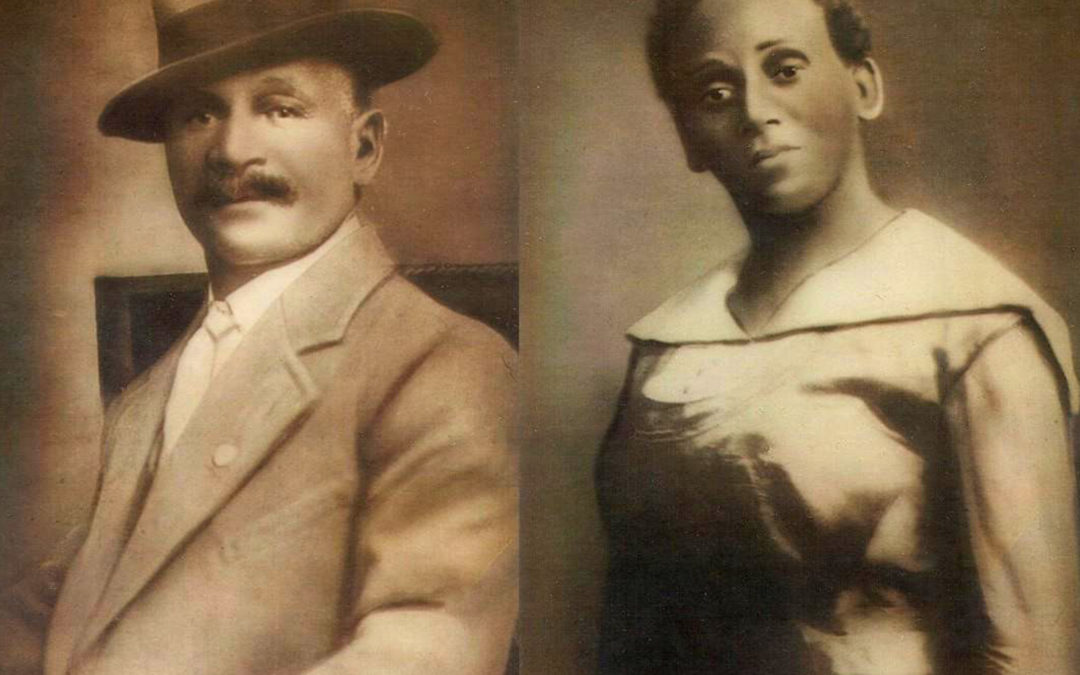
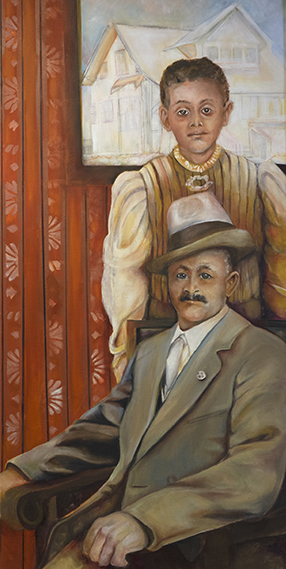
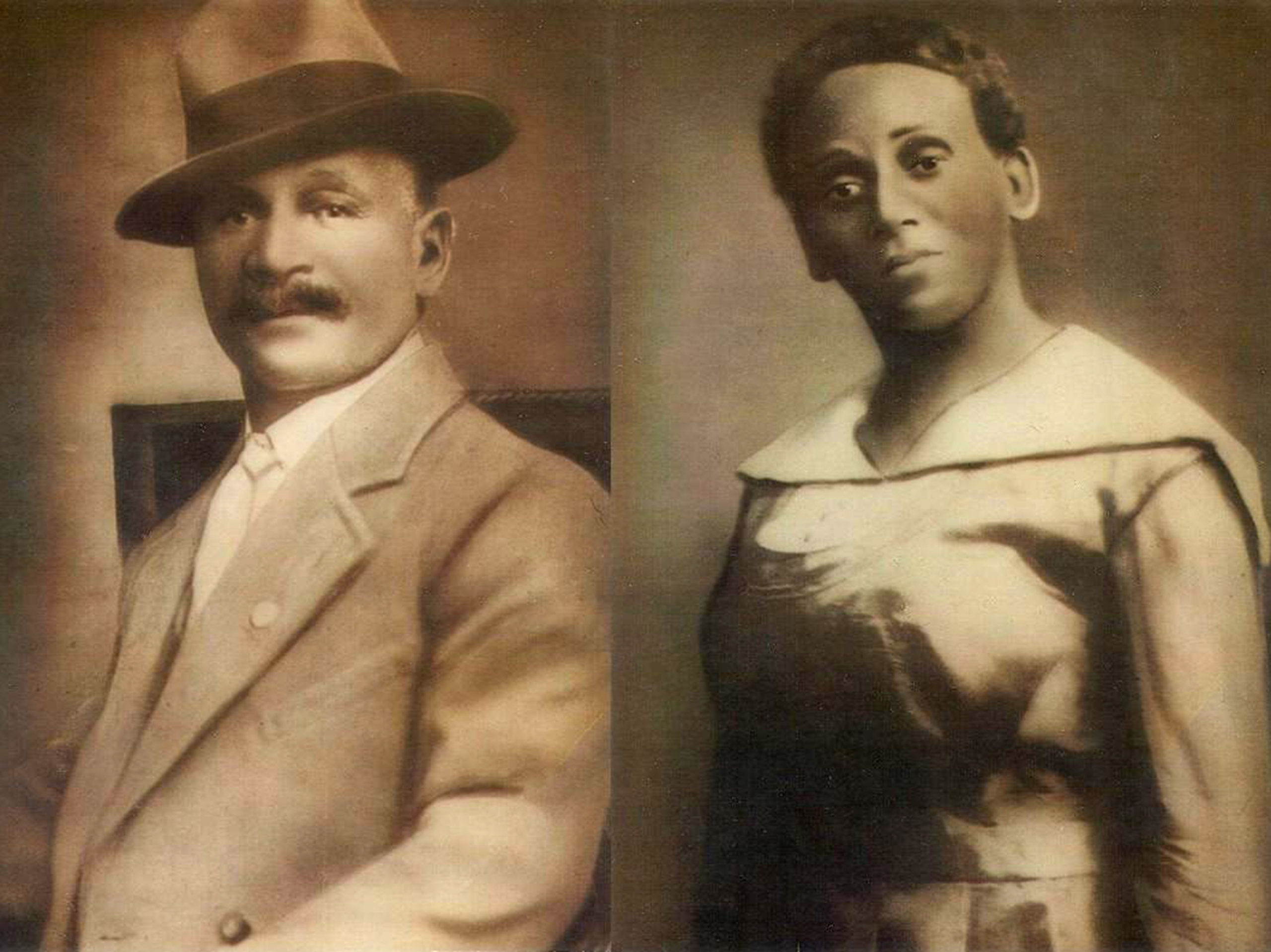
Archie and Nancy Martin Portrait in Martin Hall on ISU Campus.

A portrait of Nancy and Archie Martin hangs in ISU Martin Hall in their honor.

From the late 1920s through the early 50s, the Martin household gained a reputation as caring, generous, and supportive of those seeking to better themselves through higher education. Finally, it became apparent to the Martins that they could no longer house all the students of color in need. According to family tradition, Archie used his enthusiasm as a proponent of equal treatment of Black students to discuss the issue with then Iowa State College President (1912-1926) Raymond A. Pearson which eventually resulted in the ability for students of color to reside in campus housing.

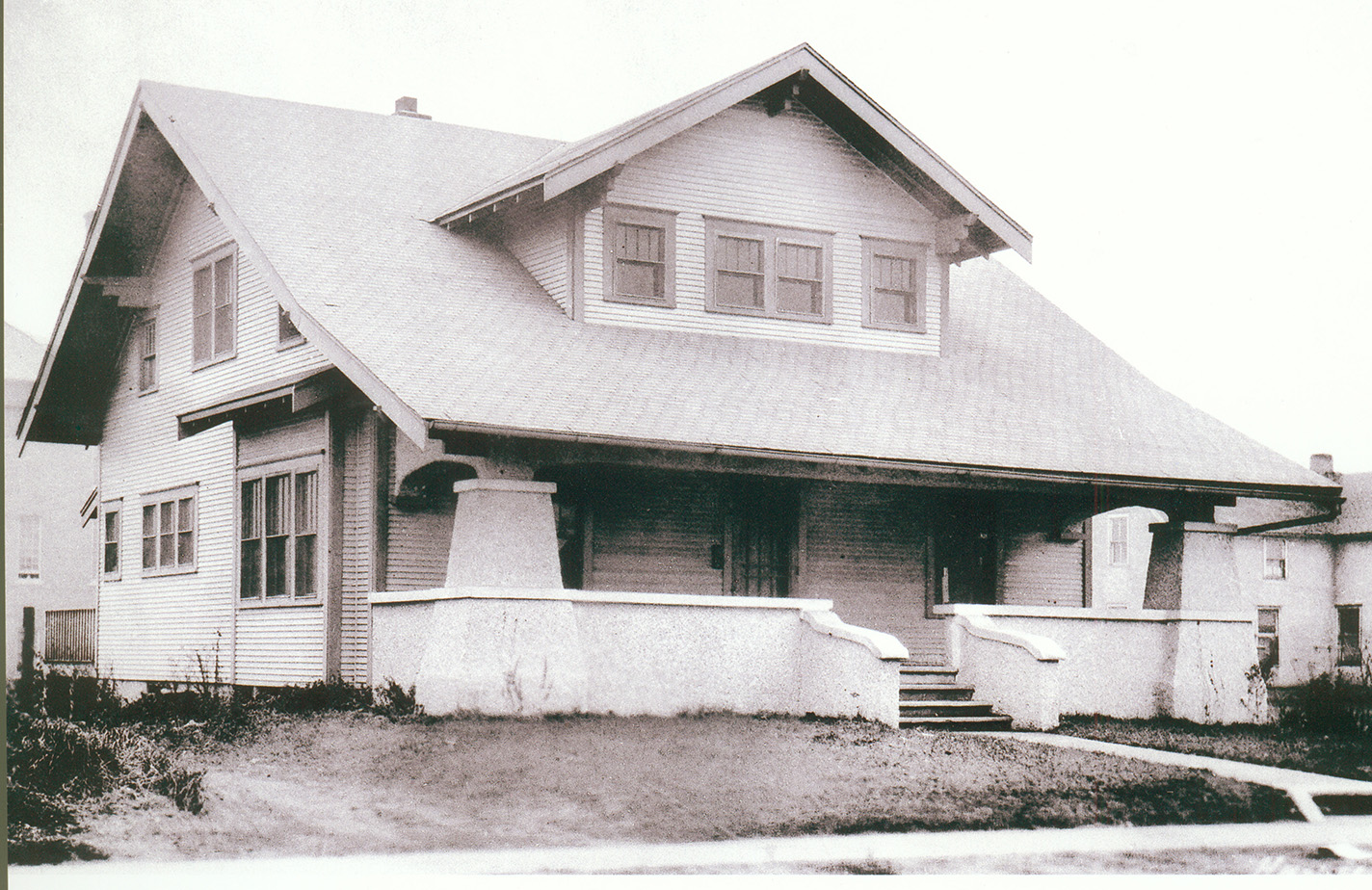
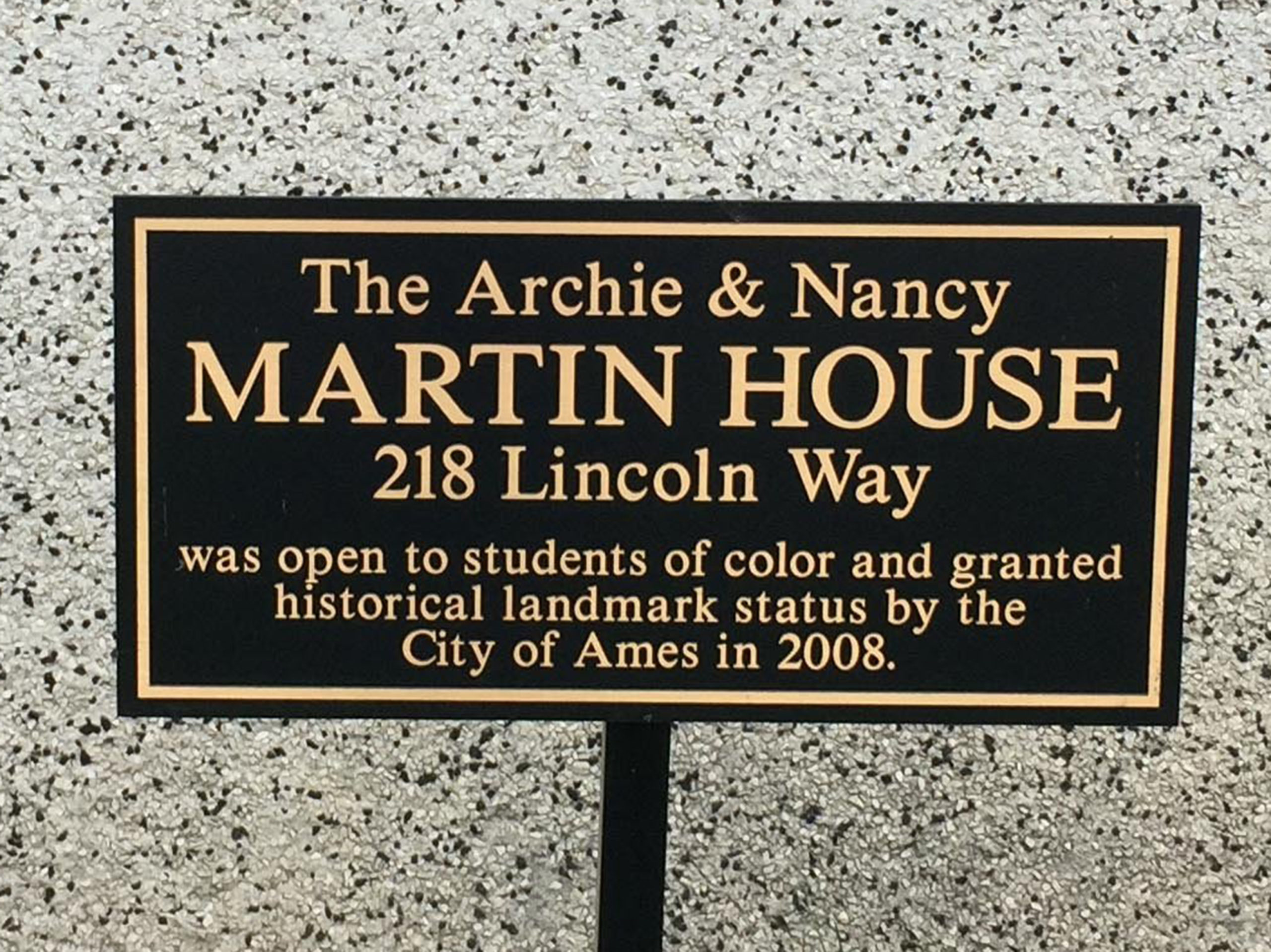
For over a century, the Martin-Shipp families have retained ownership of the home. It still stands along the Lincoln Highway Heritage Byway in Iowa. Archie and three of his sons built the six-bedroom, two-bath Craftsman-style bungalow at 218 Lincoln Way sometime around 1919. The home was granted historical landmark status by the City of Ames in 2008. A letter of preliminary eligibility for listing on the National Register of Historic Places was obtained from the State Historic Preservation Office in 2021.

According to former Ames councilperson and Ames Historic Museum Martin House Chair Sharon Wirth, the Martins’ history is important to the Ames community and Iowa State.

Martin House along the Lincoln Highway in Ames, Iowa

The historic home (circa 1920) where Nancy and Archie Martin housed Black students attending Iowa State College. Photo credit: Ames History Museum, Courtesy of the Martin Family.

“Their home symbolizes the family’s legacy,” said Wirth, “This property is an outstanding cultural resource located on the Lincoln Highway and should be preserved. Few resources remain that are tied directly to the early lives of African Americans in Ames. This period of ownership by a Black family is nearly unheard of.”

Besides Carver, other notable guests at the Martin home include Iowa State College African American athlete Jack Trice who tragically died as a result of injuries he sustained during the second play of his second college football game. Additional guests at the Martin home included James Bowman who served with the Tuskegee Airmen and as a Des Moines school administrator, and Samuel Massie who worked on the Manhattan Project and became the first black professor at the U.S. Naval Academy.

In the words of the Martin Legacy Foundation, “The Martins impact on black students in Ames and on the Iowa State campus can be measured in numerous ways. Mainly their legacy is traced by the successful stories of many who stayed with them. There are numerous educators, professors, administrators, presidents of universities, and engineers that fondly remember the Martin home and acknowledge that, if not for the Martins, they would not have had the chance at an education at Iowa State University. Nancy and Archie knew and believed that an education was the only way for African Americans (to achieve an improved) quality of life. They were wholeheartedly dedicated to supporting African American students in their quest for a (higher) education. Their legacy lives on in the achievements of those students and also through their descendants who are doctors, lawyers, decorated military officers, and educators. An amazing legacy for two ex-slaves.”

In honor of the Martins, the Iowa Board of Regents approved renaming Iowa State University Suite 2 residence hall in the Union Drive neighborhood to Archie and Nancy Martin Hall. Additionally, the Martins and their home are commemorated with a brick pier at 5th Street and Burnett Avenue in Downtown Ames. 

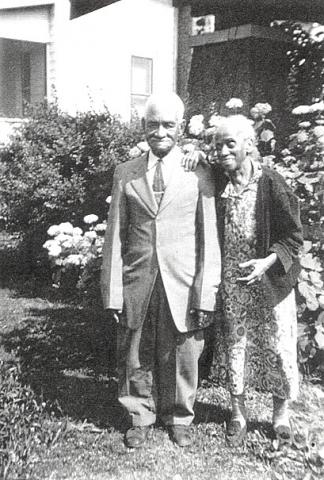
Archie and Nancy Martin during the 1940's.

Archie and Nancy Martin outside their home during the 1940’s. Photo credit: Ames History Museum, Courtesy of the Martin Family.

The Love Lives of Moths: Competition in the Air

The Love Lives of Moths: Competition in the Air

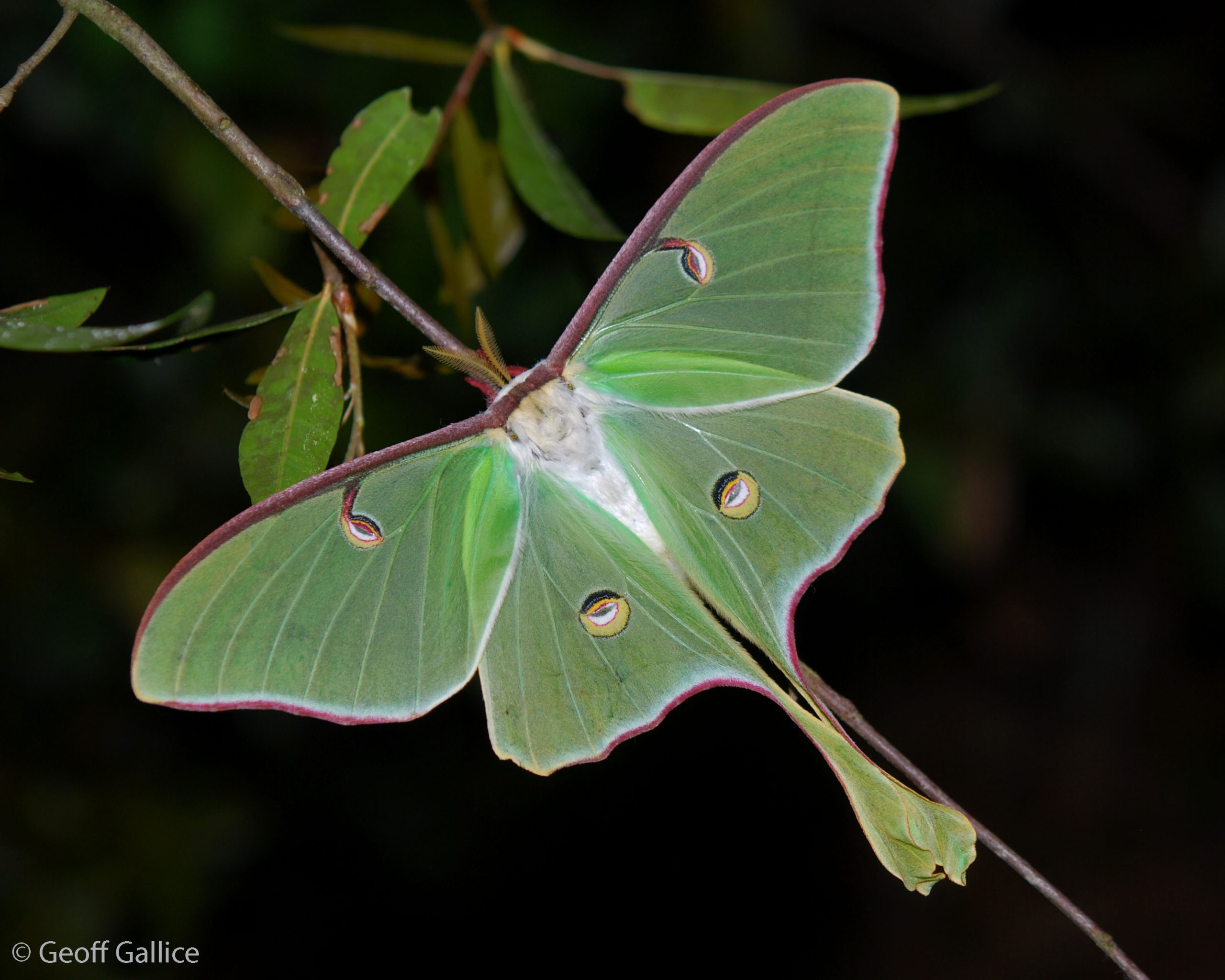
Luna Moth

Forget about buying roses – in the great words of Shania Twain, “that don’t impress me much”. To impress me, you’d have to match the energy of male moths. Instead of dropping cash on last-minute flowers, male moths are willing to fly miles for a first date, dodge dangerous predators, and out-compete other males, all while most humans are fast asleep.

But how exactly do moths find each other? Many are nocturnal, some aren’t brightly colored, and they can be tiny*. Plus, female moths generally stay put and let the males come to them. So what is the male moth’s secret to finding love in the black abyss of a night sky? The key is their incredible sense of “smell” through their unique antennae!

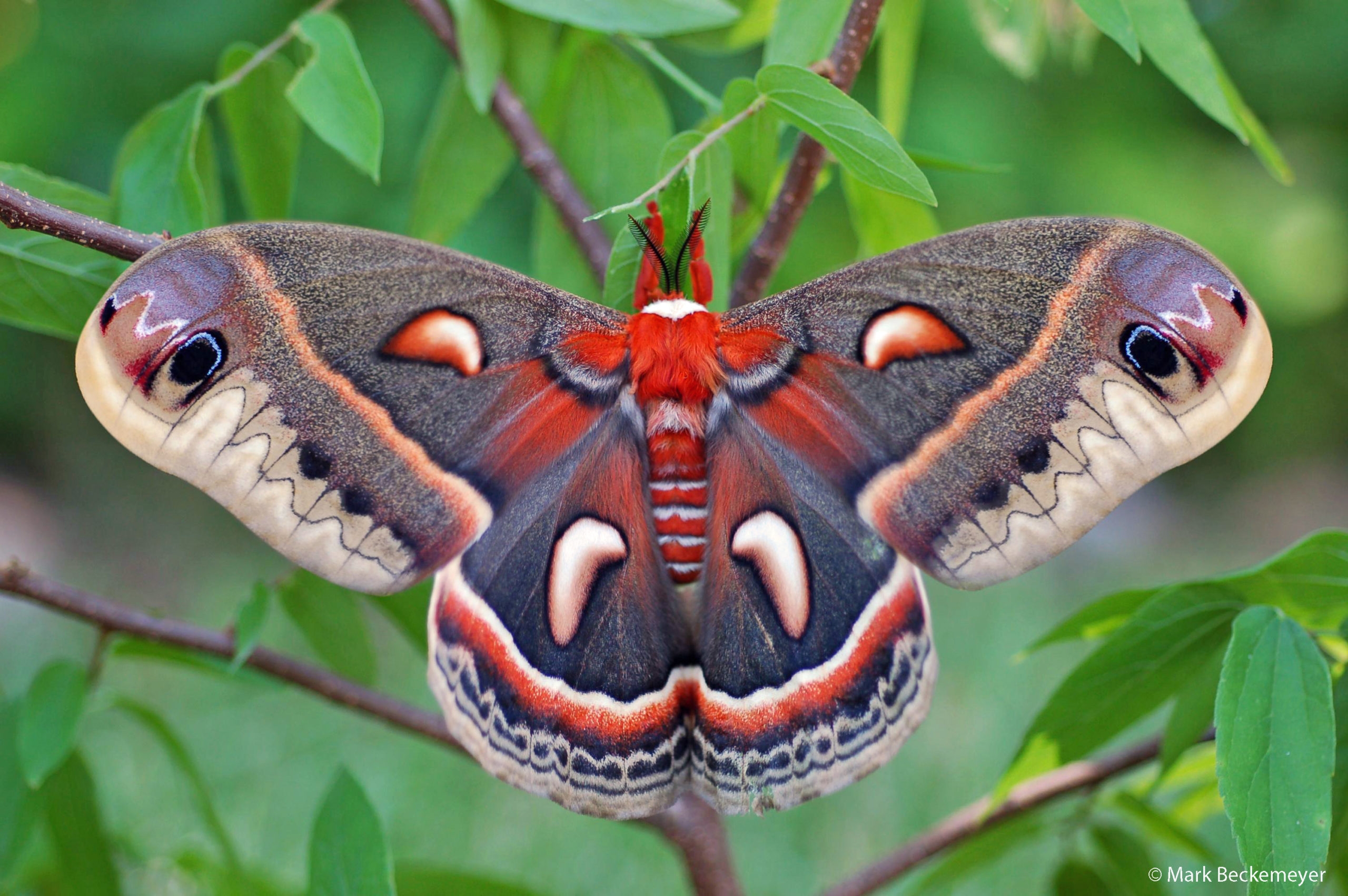
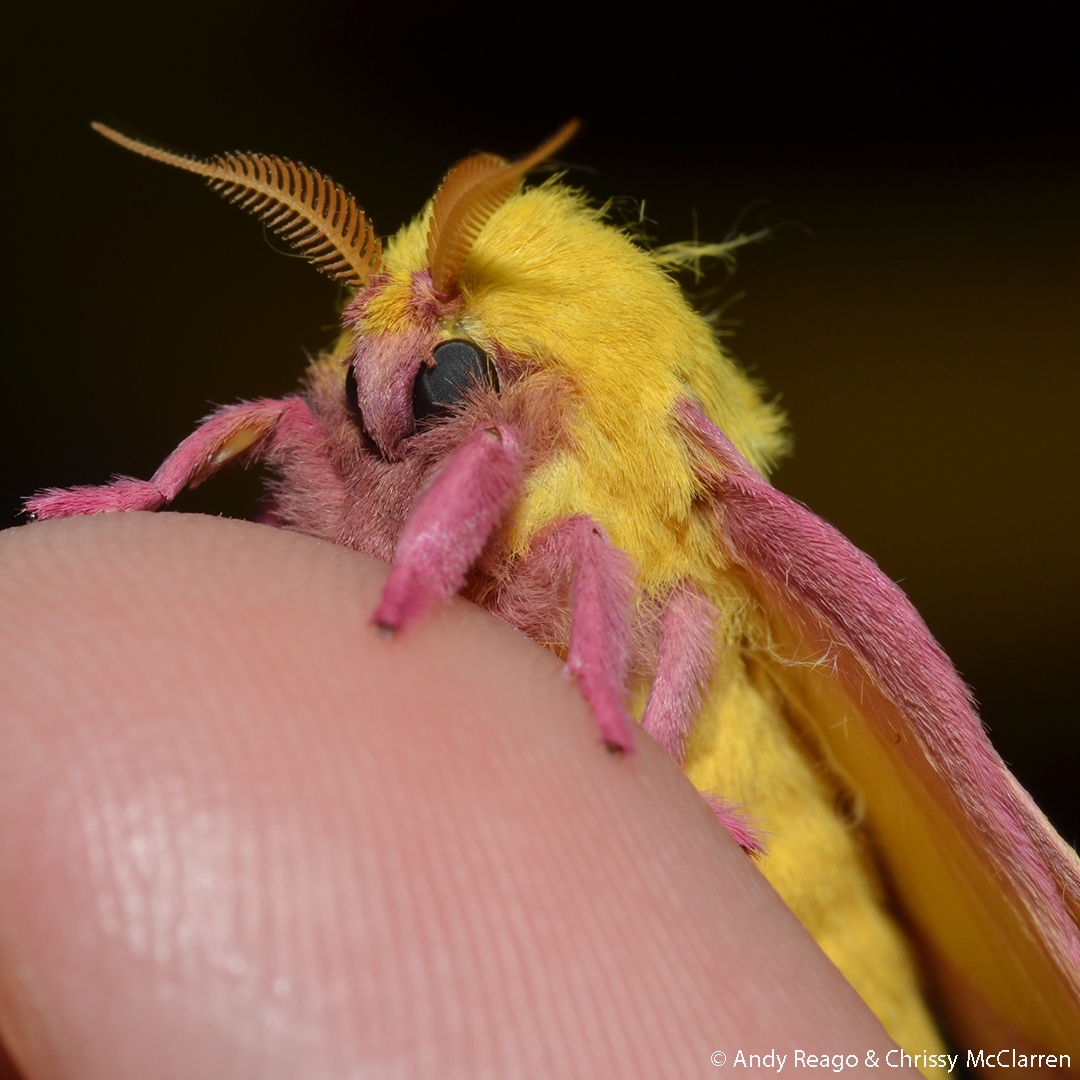
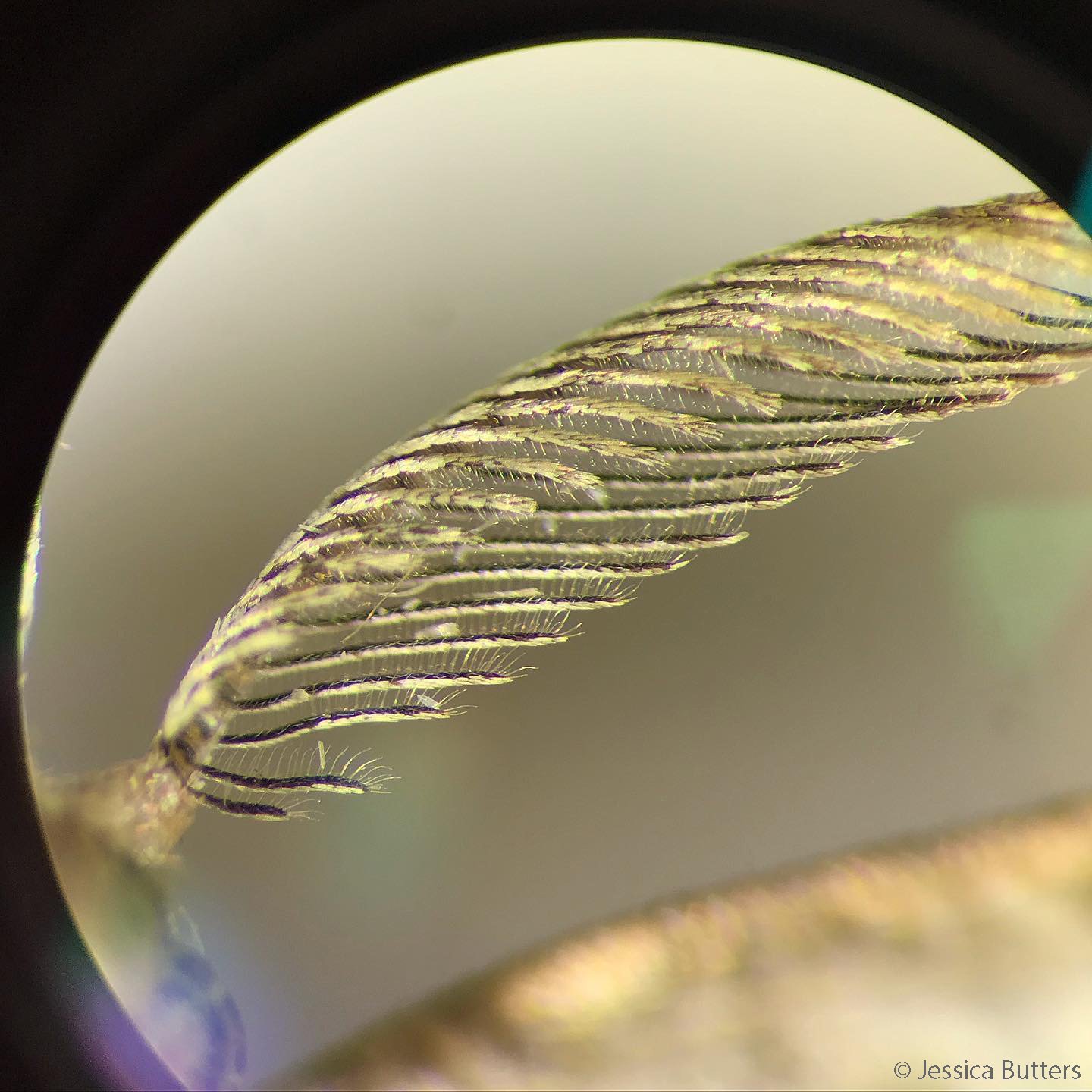
If you’re looking at a moth, the antennae may tell you if it’s a male or a female. Female moths often have the two simple strands of antennae that we are used to seeing on many insects. It’s the male antennae that are interesting; some, though not all, have antennae that look like a pair of feathers, each one having many branches covered in fine hairs. These feather-like antennae quite literally comb the night air in search of the calls of female moths, which are sent in the form of pheromones**. Male moths from larger moth families (e.g. giant silk moths) can detect a single molecule of female pheromone from seven miles away! Imagine if you could find a compatible stranger based on smell alone, or attract one using a drop of perfume. Though odd, it seems simpler than using dating apps; but is it truly easier?

Distance isn’t the only threat to a male moth striving to be lucky in love. Once his antennae detect a female call of his species, he has to find her – fast. Other males may have picked up the female’s call as well, and many female moths only mate with the first male she encounters. There is no prize for second place. To hone in on her location, males often fly in the cross-winds to try to detect more pheromone. Once a call is detected, he flies in that direction until the pheromone fades yet again.

During this high-stakes game of Marco Polo, moths also have to dodge hungry predators, such as bats. Different moths have different strategies for this. They may taste bad so they are spit out instead of eaten, have evasive flight maneuvers that would impress any Top Gun fan, or have incredibly fuzzy bodies that absorb sound. This weakens a bat’s attempt to use echolocation, giving the moths a cloak of invisibility.

A moth’s antenna seen through a microscope. Note that it is covered in fine hairs!

Luna Moth

While the journey to mate may be arduous for males, female moths have their own complex decisions to make. Female moths only release small amounts of pheromones in hopes of attracting male moths with very sensitive antennae, which indicates they are fit and healthy. Additionally, she only mates with the first male to find her to ensure he is a strong and fast flier, another indicator of good health. Female moths don’t have genetic material to waste on mediocre males – they put high amounts of energy into creating their eggs. However, if the mating period goes on and the female hasn’t attracted a mate, she will start releasing higher amounts of pheromone. This intensifies her call, making her easier to find. Besides intensifying her call, the female can also tailor when and how often she calls. These strategies help ensure that she receives the best male possible and that her energies were not spent in vain.

The world of moths remains a mystery to most people. Considering the intricacies and drama involved, it deserves to be a topic of regular discussion! If you are at a loss of what to talk about at your next Valentine’s Day date or gathering, consider bringing up moth mating. It’s sure to add interest to an otherwise trite Tuesday.

*Some moths are diurnal (active during the day), many are brightly colored, and some species are huge!

**Pheromones are chemicals released by animals that change the behavior of other animals of the same species.