Watersheds and Wildlife Summer 2021 Newsletter

Watersheds and Wildlife Summer 2021 Newsletter

Watersheds & Wildlife Summer 2021 Newsletter

Thank you all for joining us on the newest edition of the Watersheds and Wildlife Newsletter.  As usual, I’m here to give a general update on the work and status of our team’s work over the last few months. We have been hard at work in terms of public outreach, especially since everything is opening back up post-pandemic.  Click here to read the entire newsletter featuring the latest news from our Watersheds and Wildlife Program!

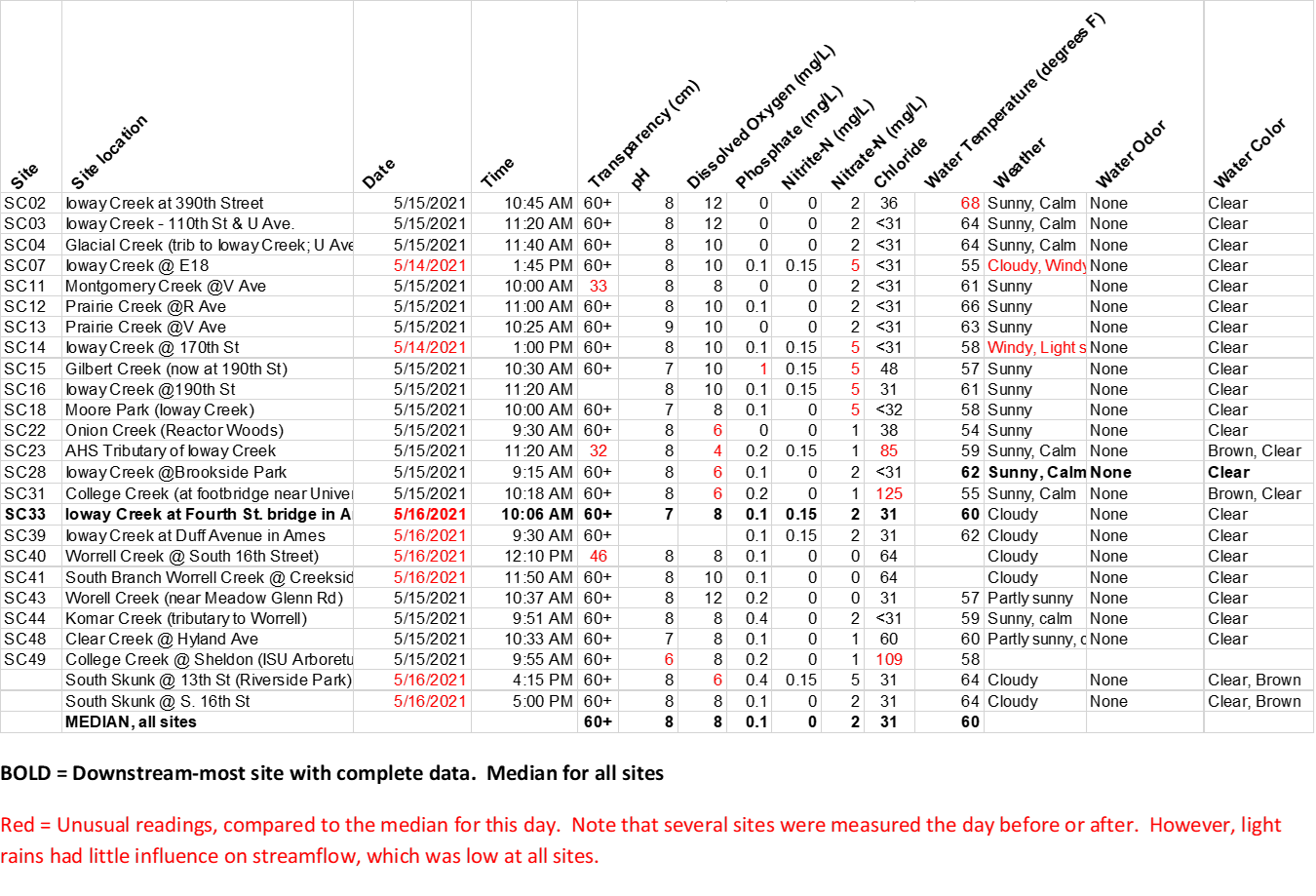
2021 Spring Water Quality Snapshot

2021 Spring Water Quality Snapshot

Excuse the delay in posting the data. I had shared this with the participating volunteers but not with a broader audience. I was distracted by the dramatic change in water quality a week later. However, the results from the spring snapshot event is more typical of what we’ve been seeing this year–clear and drying up!

On the weekend of May 15, fifteen volunteers tested 25 sites on Ioway Creek and its tributaries.

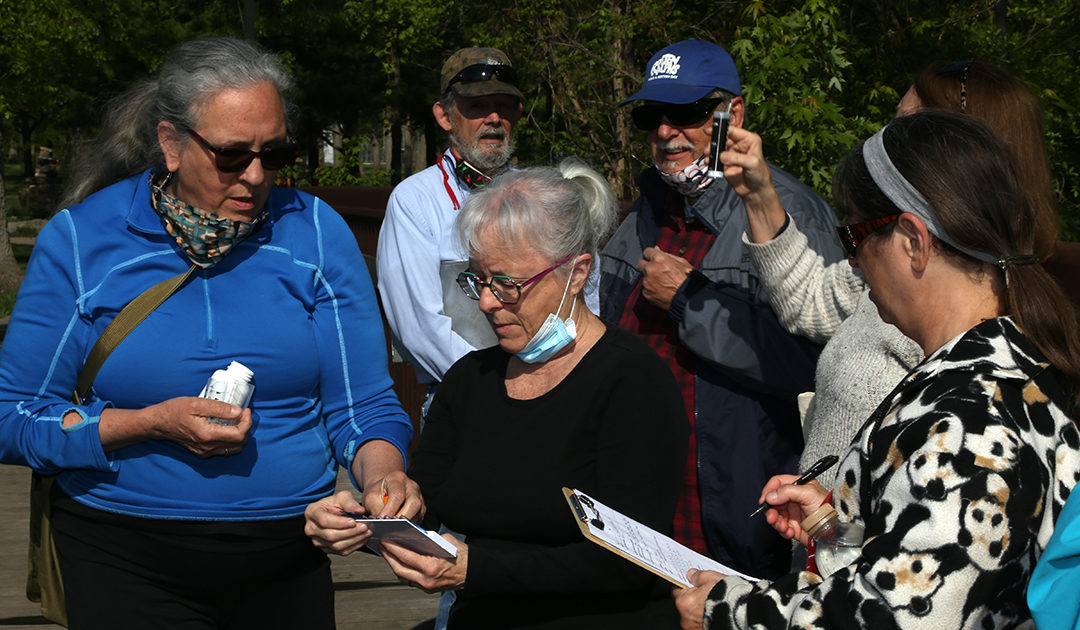
Volunteers practice testing phosphate and dissolved oxygen.

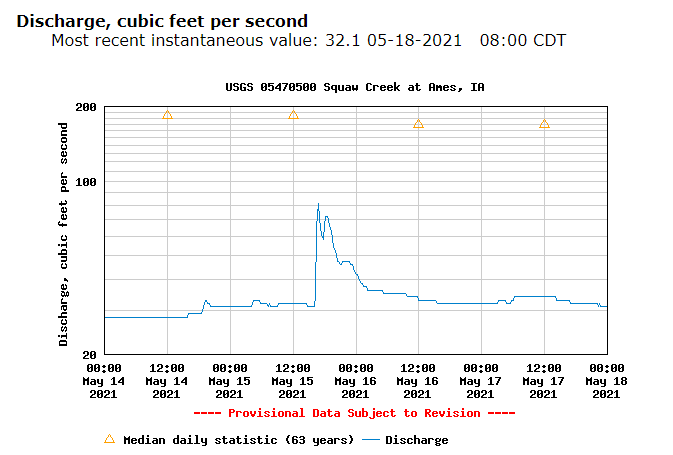
Like most of 2021 so far, water levels were way below normal, and light rains Saturday afternoon did little to change things. A few volunteers tested their sites Sunday, but water levels had dropped back down by the time.

Water levels (blue) in Ioway Creek are below normal (triangles).

With streams running low and tiles not flowing at all, most sites were as clear as we can measure (transparency greater than 60 cm), had low nitrate (2 mg/L or less) and low phosphate (0.1 or less).

But there were a few interesting exceptions.

Nitrate concentrations were a little higher (5 mg/L) in the middle reaches of Ioway Creek, starting at Hwy E18 in Boone County and continuing to Moore Park in Ames. The upstream reaches in Hamilton County and the downstream reaches in Ames had low nitrate levels.

“Gilbert Creek” had higher nitrate (5 mg/L) and much higher phosphate (1 mg/L) than other sites. When streams are running low, effluent from wastewater treatment plants can make up a significant portion of streamflow and can have a big influence on water quality. When streams are running high, effluent becomes a small fraction of streamflow compared to runoff from cropland. Wastewater plants in Iowa are only beginning to install technology to improve nitrogen and phosphorus removal.

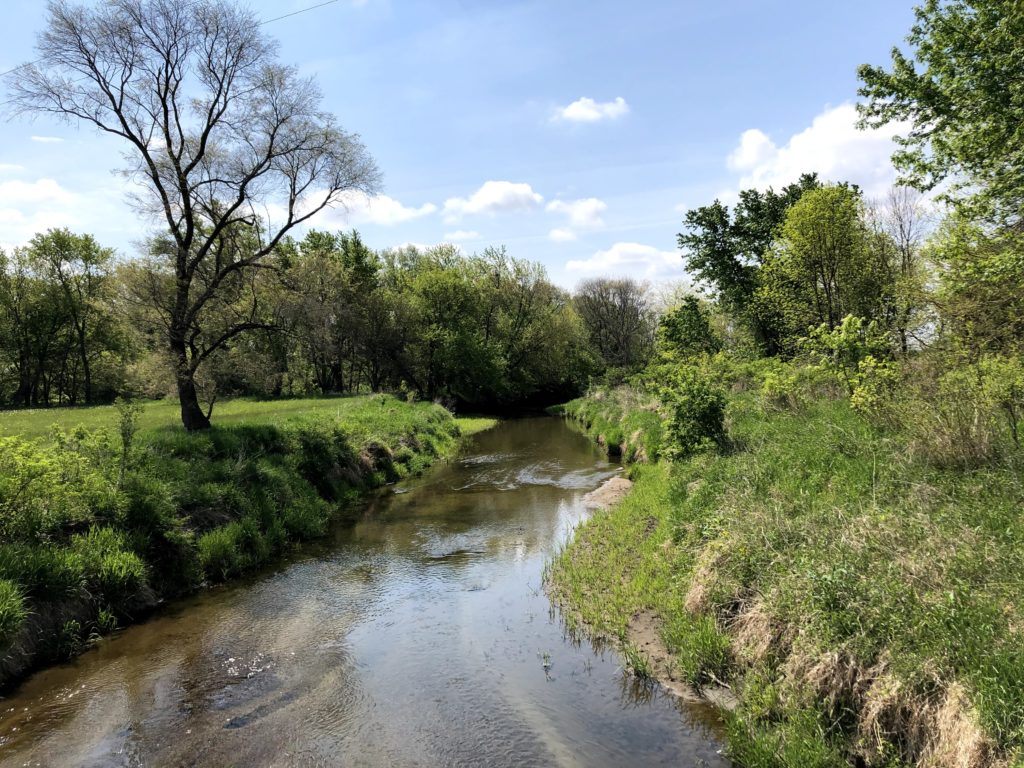
The upper reaches of Ioway Creek in Hamilton County. Good water quality on May 15, but warm, not much shade.

Some urban streams showed elevated chloride levels (125 mg/L), but still within Iowa standards for aquatic life (389 mg/L thresholds for chronic exposure). Road salt dissolves and makes its way into groundwater, so we can see it’s influence in spring and summer, but testing before and after winter storms can give us a clearer picture.

The little creek below Ames High School (SC23) had muddy water (transparency of 32 cm) and dissolved oxygen low enough to harm aquatic life. We know that when it does rain this creek gets a lot of stormwater runoff (the video we produced with City of Ames shows this in action) and construction could also be an influence.

I don’t have a good explanation for lower dissolved oxygen and transparency at other locations.

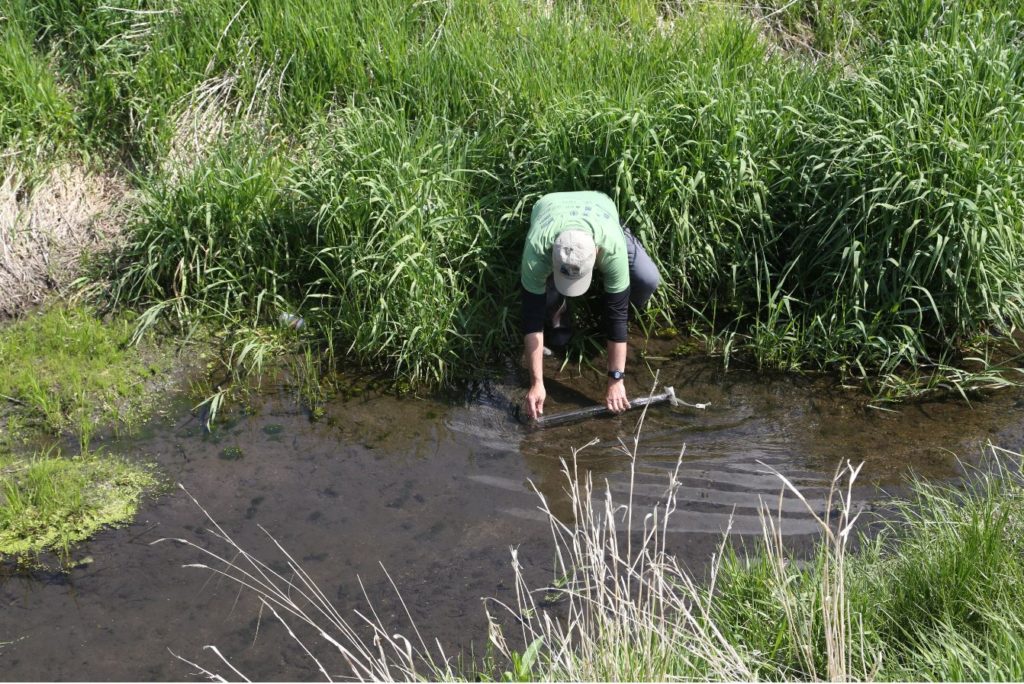
Filling a transparency tube in Montgomery Creek, one of the murkier sites this year.

Thanks to our volunteers for spending a morning testing water! Our next event will be in October.

Algae: The Double-Edged Sword

Algae: The Double-Edged Sword

by Guest Contributor Mark Rasmussen
Note: Mark retires as the Director of the Leopold Center for Sustainable Agriculture on June 30, 2021
A native of Nebraska, he holds degrees from the University of Nebraska-Lincoln and the University of Illinois at Urbana-Champaign, and an MBA from Iowa State (1996).

We humans seem to have affection and fascination with the color green—the green of money, the green grass of spring after a long winter, the green of a Christmas tree or the expanse of leaves in a deciduous forest.

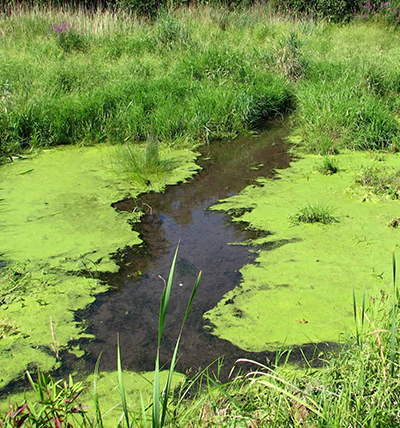
Nevertheless, there are some forms of green that we look upon with suspicion or have grown to dislike—the green water of an algae bloom or the pond scum that covers the surface of our favorite beach.  

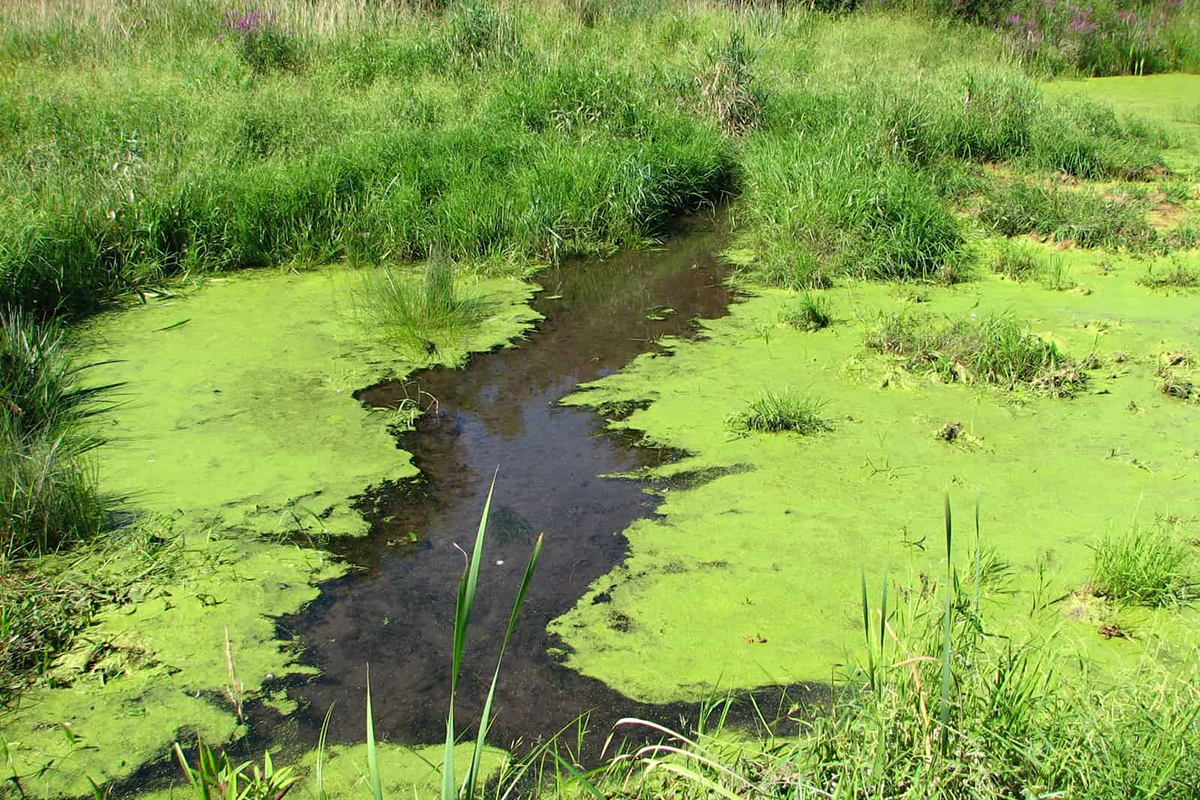
Algae Bloom

We tend to lump different forms of life under the general term “algae” (including cyanobacteria, also referred to as blue-green algae, which are technically not algae at all!), so our relationship with algae can be confusing and somewhat complicated.

As photosynthetic organisms, algae use energy from sunlight to produce oxygen.  Over many eons of time, they are responsible for much of the oxygen in the atmosphere, and they are the original source of fossil carbon transformed deep in the earth into crude oil and natural gas. Algae are also the basis of many food chains in aquatic environments.

We look upon algae with favor when they are used to produce biofuels and nutrient-rich dietary supplements. Then there are the “other” algae that are more suspect—blue-green algae.  (Remember, the blue-green algae are technically not algae at all, but early taxonomists used the term and it stuck.)  We especially need to be concerned with the blue-green algae that produce toxins as we enter another growing season here in Iowa.

Cyanobacteria, or blue-green algae, tend to do well in warm, slow-flowing, or stagnant water when both nitrogen and phosphorus are abundant and available. These nutrients, along with sunlight and temperature are the primary drivers of their growth. Some species can grow very rapidly in what is called a bloom.  In a pond, they can be part of the natural process of turning a water body eutrophic when dense growth can cause a reduction in animal life due to the absence or limitation of oxygen.  In our agricultural world, blue-green algae growth can be the result of poor nutrient management when high levels of nutrients get into surface waters and stimulate growth.

Along with rapid growth, the production of harmful toxins from certain species of blue-green algae is of great concern. Children and small pets with less body mass are highly susceptible.  The toxins can also impact wildlife when they drink contaminated water.  Dried biomass on shore can also be toxic if inhaled as dust. Research has discovered that people who live or spend a lot of time near contaminated water have a greater risk of health effects just from being near this kind of water.

Toxin production in critical species is also stimulated by increased water temperature.  Therefore, we see more problems later in the summer as bodies of water warm.  Iowa began testing surface water in 2000, and every summer, beach closings and alerts are issued for water that has elevated levels of algae toxins. Climate change and hot summers which warm the water faster also stimulate toxin production and can be expected to increase the problem.

It is difficult and expensive to purify water for drinking when water sources are contaminated, and most water treatment plants do not have that kind of purification capacity.  Last year the water in the Des Moines River in central Iowa was not useable for many weeks as a primary source due to the high level of toxins contained in the water.  Once contaminated, dilution with cleaner water is about the only solution.

Given that we can expect this problem to get worse, we must redouble our effort to keep nutrients out of the water.  We cannot control the water temperature nor the hours of sunlight, but we can do something about the nutrient loading in our surface waters.  Unless we do more, we can expect there to be more problems with water quality in Iowa.

Weather Whiplash Returns!

Weather Whiplash Returns!

“If it never rained, we’d have great water quality in Iowa.”

-Jim Richardson

“If it never rained, we’d have great water quality in Iowa,” joked a volunteer at our May 15 water quality snapshot. 15 of us spent the morning testing Ioway Creek and its tributaries in Boone, Hamilton, and Story County and were marveling at the low nitrate levels and crystal clear water at the majority of our sites.

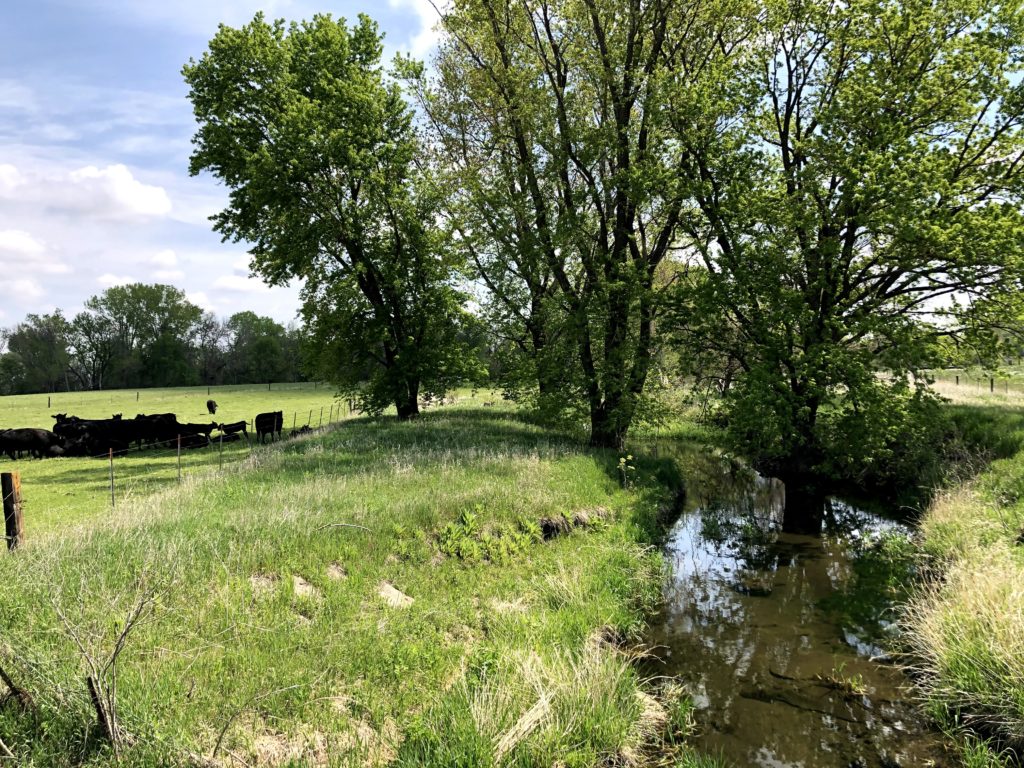
I wish more creeks in central Iowa were like this spot in Boone County. Cows fenced out the creek, a CREP wetland upstream keeping nitrate levels low, orioles and a kingfisher flitting between the trees.

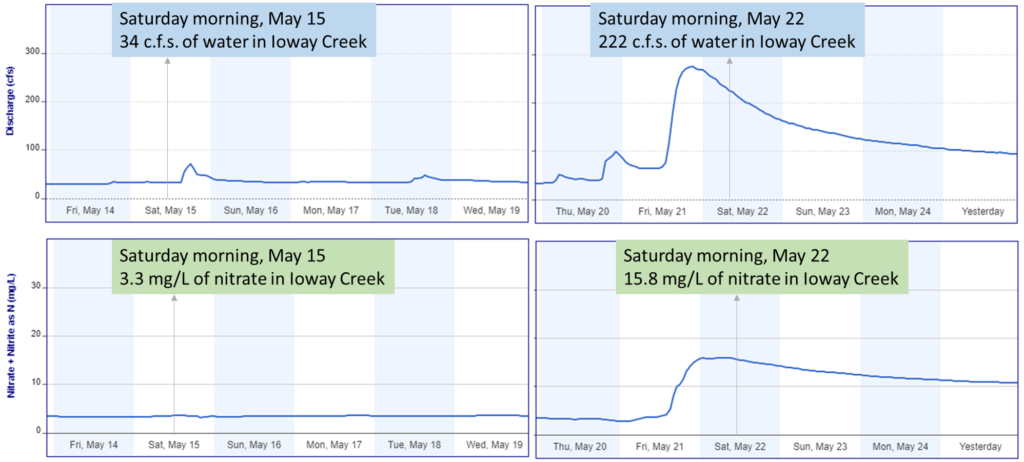
Well, we’ve had some much-needed rain in the week since, and water quality has gone from good to bad. I’ve written before about “weather whiplash” that explains some of the big swings in nitrate over the past decade and here’s an early hint of it. Here’s data from a nitrate sensor in Ioway Creek installed by IIHR-Hydroscience and Engineering. A five-fold increase in nitrate concentrations in just one week! The water has gone back down but the nitrate levels are still above the drinking water standard.

Graph showing a big increase in flow and nitrate levels after a rain storm

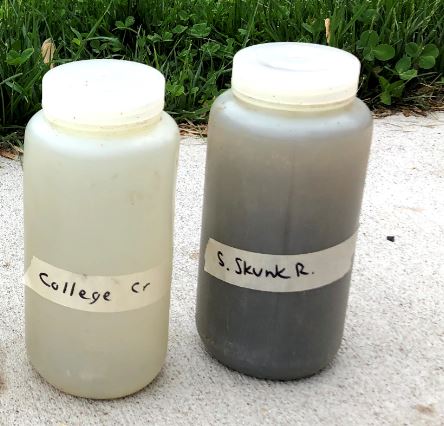
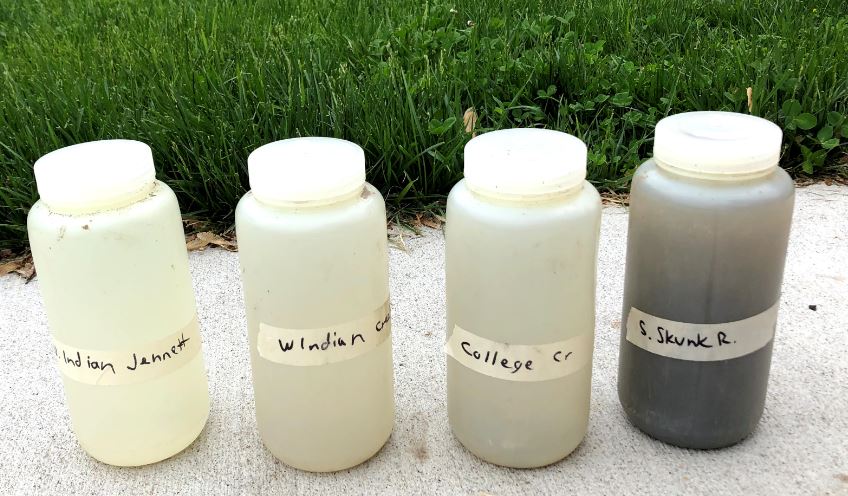
And here’s some water samples I collected on Friday May 21. No, that’s not my coffee thermos, that’s some of the world’s best top soil washing down the Skunk River!

Four samples collected May 21, after a 3/4 inch rain

That’s not to blame the weather. It does rain in Iowa and if your farming practices let a plume of topsoil, manure, or fertilizer wash off the field every time that happens, you’re doing it wrong! Some farmers are doing it right (I saw some cover crops this spring near Nevada and lots driving on I-80) but not enough, especially in the Ioway and South Skunk River watersheds.

Water quality monitoring has been top of mind for Prairie Rivers of Iowa lately and I see an challenge and an opportunity. It’s a challenge to interpret data and track our progress when one good rain can cause water quality to go from clear to coffee-colored overnight! There’s an opportunity to be more strategic about how and where we test, so we notice and communicate more eye-opening moments like this one, and hopefully persuade a few more people to protect soil and water.

Update: June has been abnormally dry and Hamilton, Boone and Story County are experience severe drought. Droughts stress is impacting crops and smaller streams are drying up.

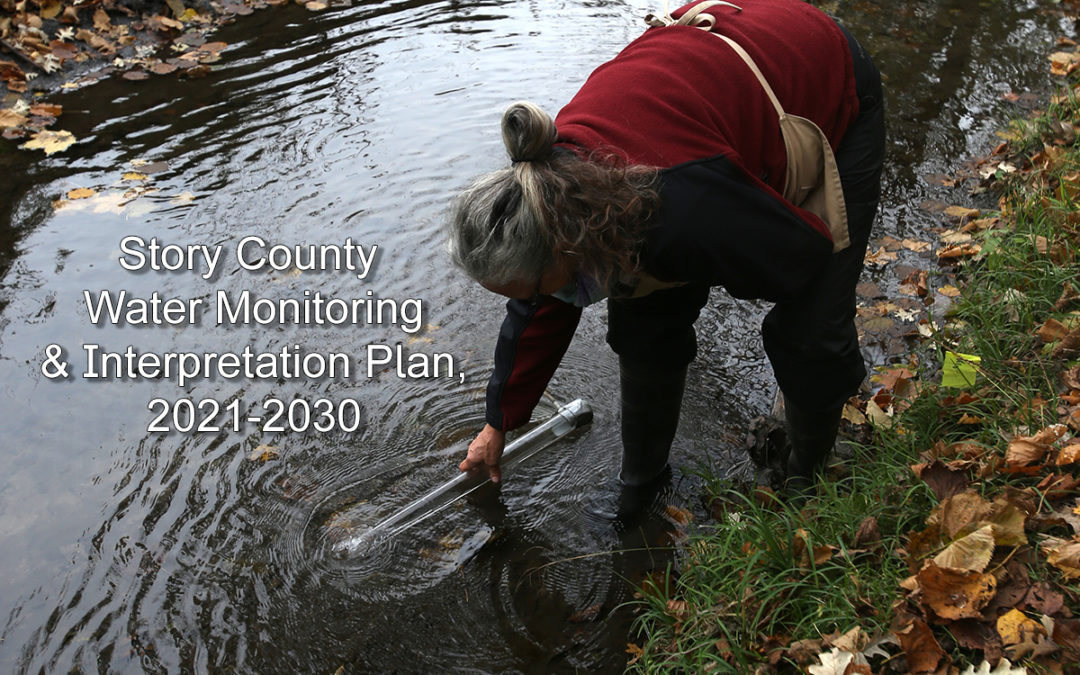
Story County Develops First of Its Kind Water Monitoring and Interpretation Plan for 2021 – 2030

Story County Develops First of Its Kind Water Monitoring and Interpretation Plan for 2021 – 2030

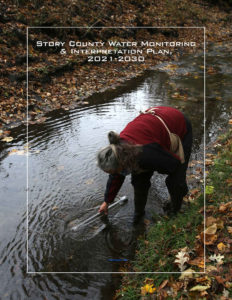
Water Quality Monitoring and Interpretation Plan Cover

Prairie Rivers of Iowa along with staff from Story County and eight other local jurisdictions and organizations have developed a first-of-its-kind countywide comprehensive water monitoring and interpretation plan for 2021 – 2030.


This completed plan is a result of an effort facilitated by Prairie Rivers of Iowa who assembled a 24 member planning team representing Story County Conservation, City of Ames, City of Nevada, City of Gilbert, City of Huxley, Iowa State University, Leopold Center for Sustainable Agriculture, Izaak Walton League, Story County Soil and Water Conservation District and the Story County Community Foundation.

Starting in April of 2020 the planning team met monthly through December to learn how water monitoring helps understand how to identify water quality issues and solutions detailed within the plan.

“Water quality is very important to the Ames community so when provided the opportunity to join with other organizations to make more impact within Story County, we saw this as an important collaboration,” states City of Ames Municipal Engineer Tracy Peterson. “This plan is a first of its kind in Iowa where a countywide plan has been developed. It provides a working document for meeting goals and strategies as the planning team continues to meet and support effective, practical stream and lake water quality monitoring efforts.”

The monitoring and interpretation plan creates a roadmap to guide work towards four primary goals that include increasing water quality awareness, the expansion of monitoring efforts, identifying and promoting actions that improve and sustain water quality and resiliency of lakes and rivers while strengthening relationships between current and future partners. “This marks, most importantly, a commitment to learning all we can about our water resources and how to improve them,” adds Story County Conservation Director Mike Cox.

Specific chapters in the 86-page report outline the county’s current state of water quality, what action steps are needed for obtaining accurate water quality data, how and where that data is collected and how to sustain monitoring through 2030.

“Many Iowans grew up playing in creeks, lakes and rivers. They want to make sure their children can do the same without being exposed to harmful bacteria,” says Prairie Rivers of Iowa Watershed Educator Dan Haug. “We can use water monitoring data we’ve collected to know where problems exist, take the appropriate precautions and fix it.”

Haug further explains, “Farmers, water treatment plants and local governments are working to keep nitrogen and phosphorus in the soil, thus out of our rivers, lakes and ultimately the Gulf of Mexico. Readers of the report will get a sense of the challenges with water monitoring and how we need to work going forward to gather and interpret the data for the public to understand what water quality concerns we have and then plan to develop steps taken by responsible parties to improve conservation efforts.”

The planning team will continue to refine and complete the actions needed to implement the goals and strategies to understand about water quality and measure improvement within Story County.

Visit here to read the entire plan.

National for Twelves Day

National for Twelves Day

On National For Twelves Day (4/12), our nation honors a magnificent number that holds significance in several ways.

We measure our days in two 12 hour sets. When we buy roses, eggs, and pastries, we purchase them by the dozen. How many months are in a year? Twelve. Of course, math lovers appreciate 12 because it has a perfect number of divisors.

On this special day, we want to bring to your attention 12 species of pollinators and wildlife that are listed as “Species of Greatest Conservation Need” by the Iowa Department of Natural Resources, a full list of which can be found here

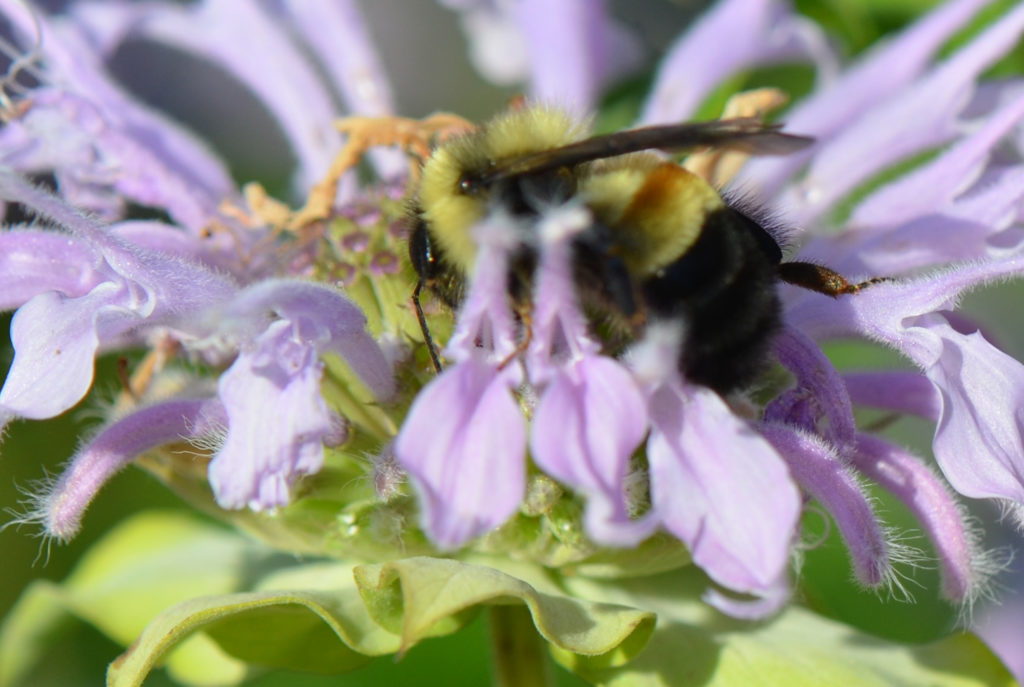
Rusty Patched Bumblebee
Habitat: Riparian Prairie and Woodland
When in Iowa: Year-Round
Diet: Pollen and nectar; preferred plants include milkweeds, prairie clovers, jewelweed, asters
Notes: This is the only federally endangered bee species in the lower 48 states.

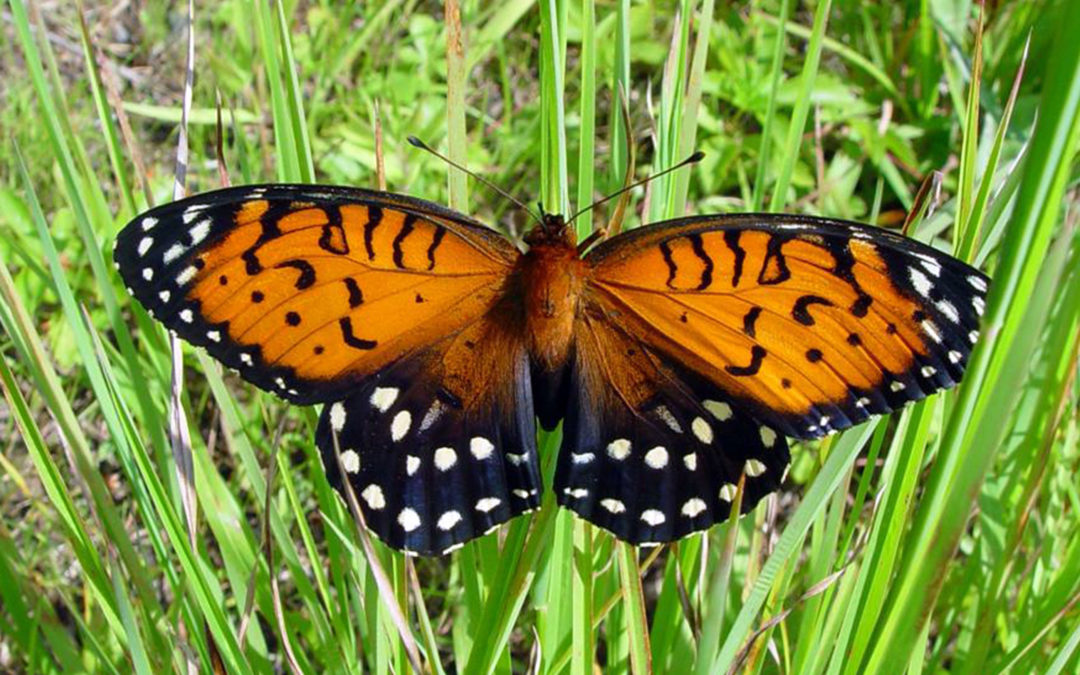
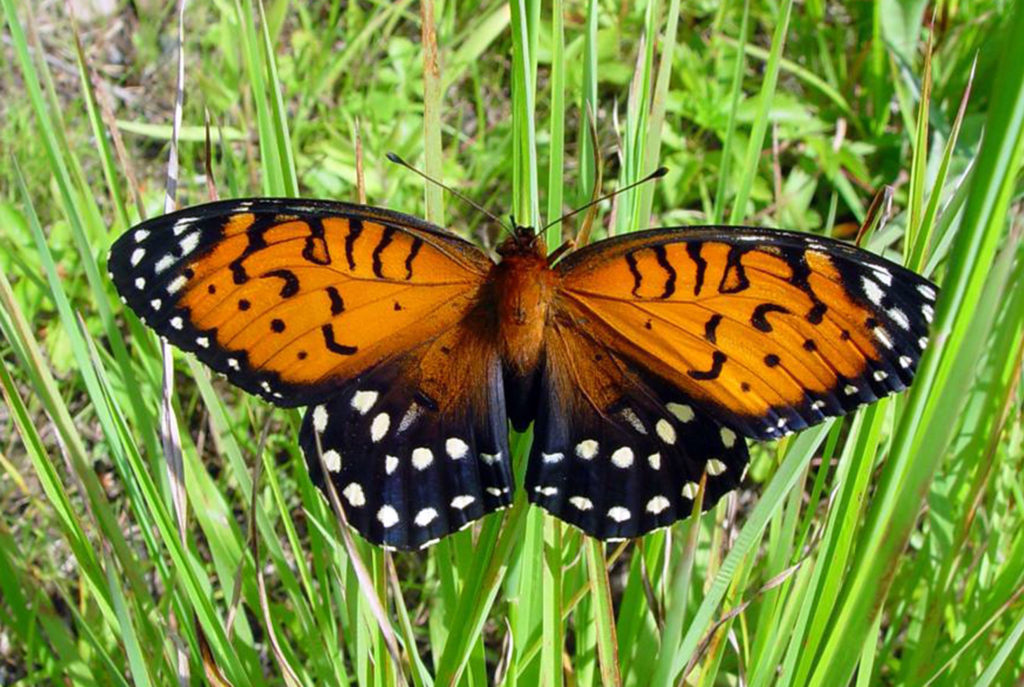
Regal Fritillary
Habitat: Tallgrass Prairie
When in Iowa: Year-Round
Diet: Prairie and Birdsfoot Violets as caterpillars, nectar as adults
Notes: This butterfly was once considered for Iowa’s Official State Butterfly.

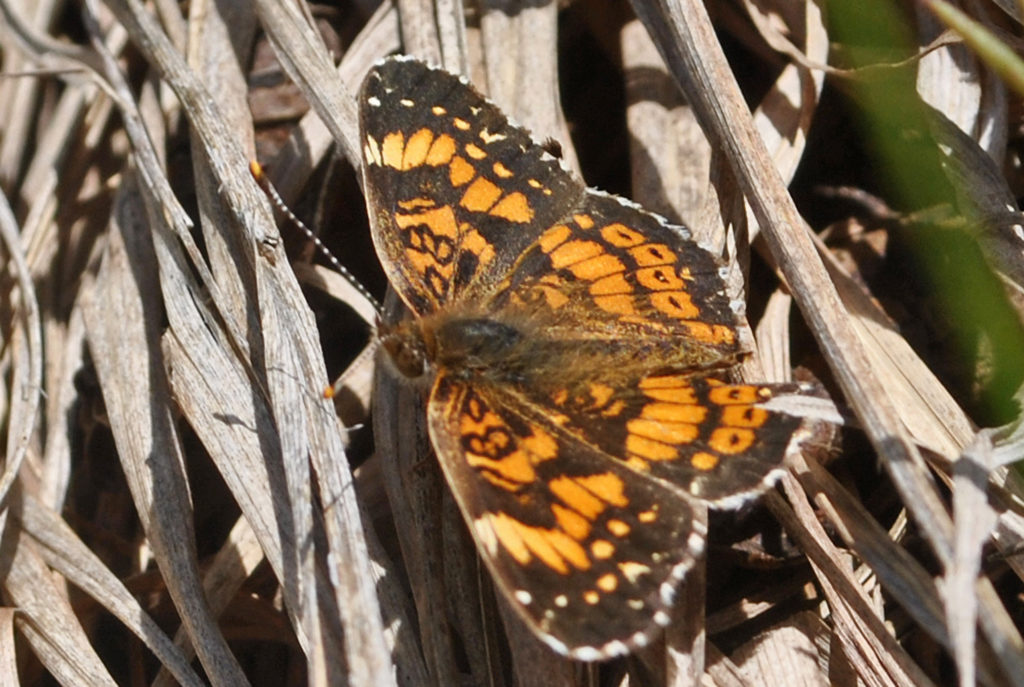
Gorgone Checkerspot
Habitat: Tallgrass Prairie
When in Iowa: Year-Round
Diet: Sunflowers and Lysimachia as caterpillars, nectar as adults
Notes: As adults, this butterfly exclusively visits yellow flowers.

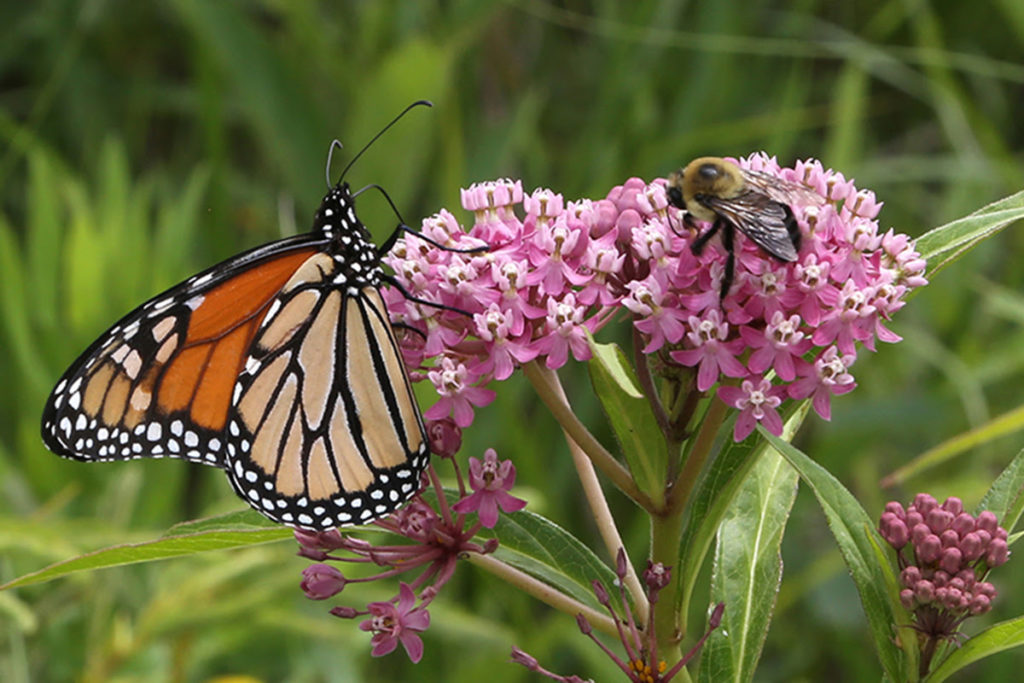
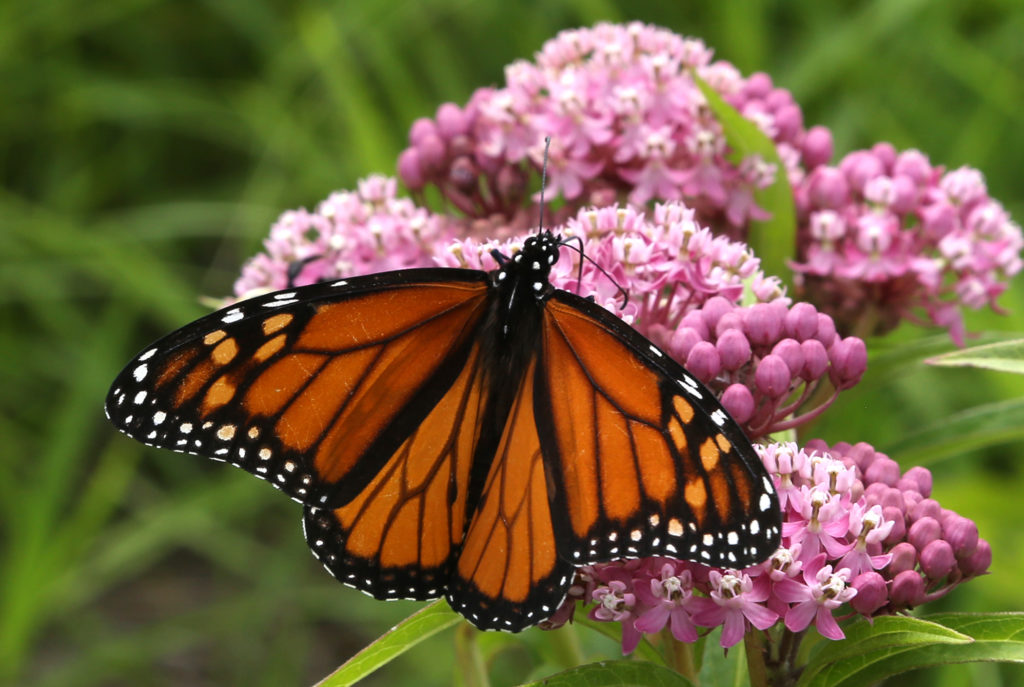
Monarch
Habitat: Tallgrass Prairie
When in Iowa: Breeding Season (Spring-Fall)
Diet: Milkweeds as caterpillars, nectar as adults
Notes: The Monarch migrates all the way to Mexico for the winter.

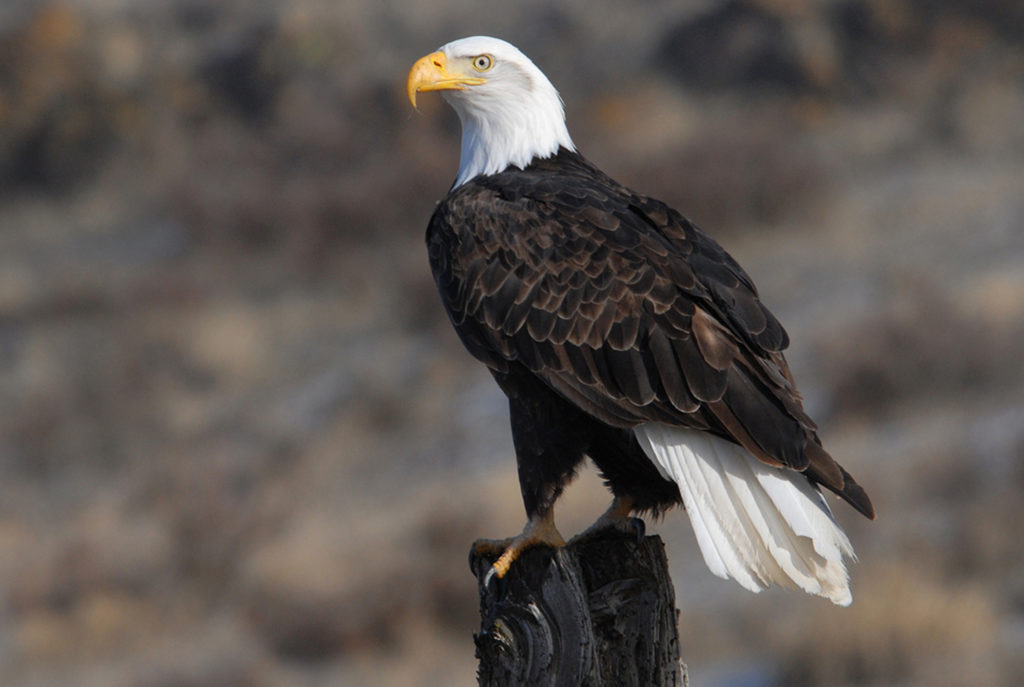
Bald Eagle
Habitat: Forests near water
When in Iowa: Year-Round
Diet: Fish
Notes: The mating dance for the bald eagle involved two birds grabbing each other’s talons and free falling.

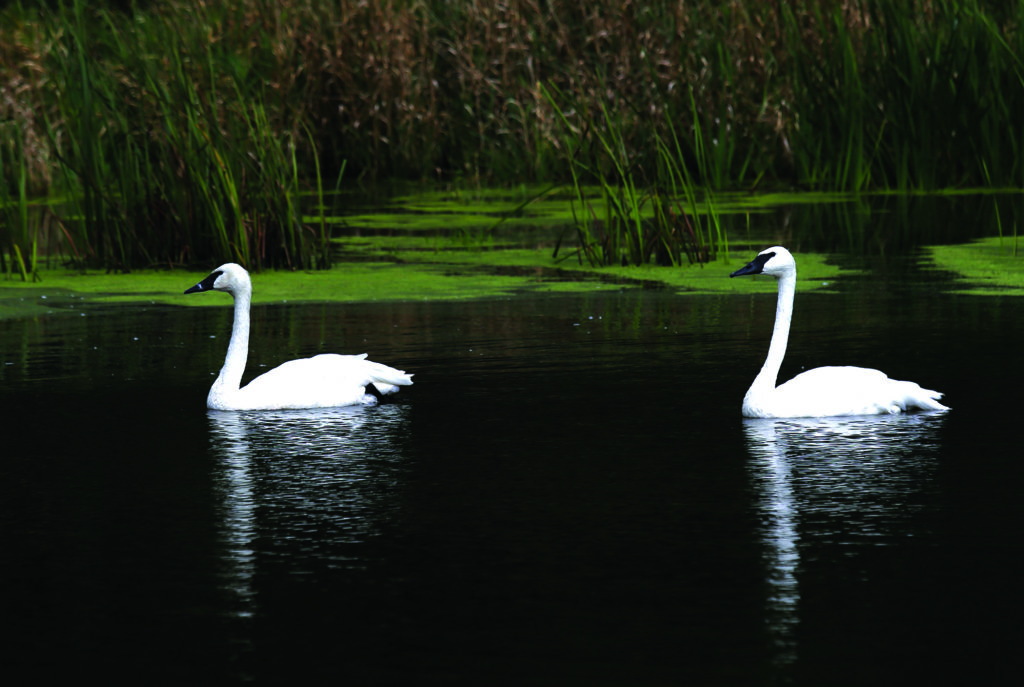
Trumpeter Swan
Habitat: Lakes and Ponds
When in Iowa: Breeding Season
Diet: Plants
Notes: This is the largest species of bird in North America.

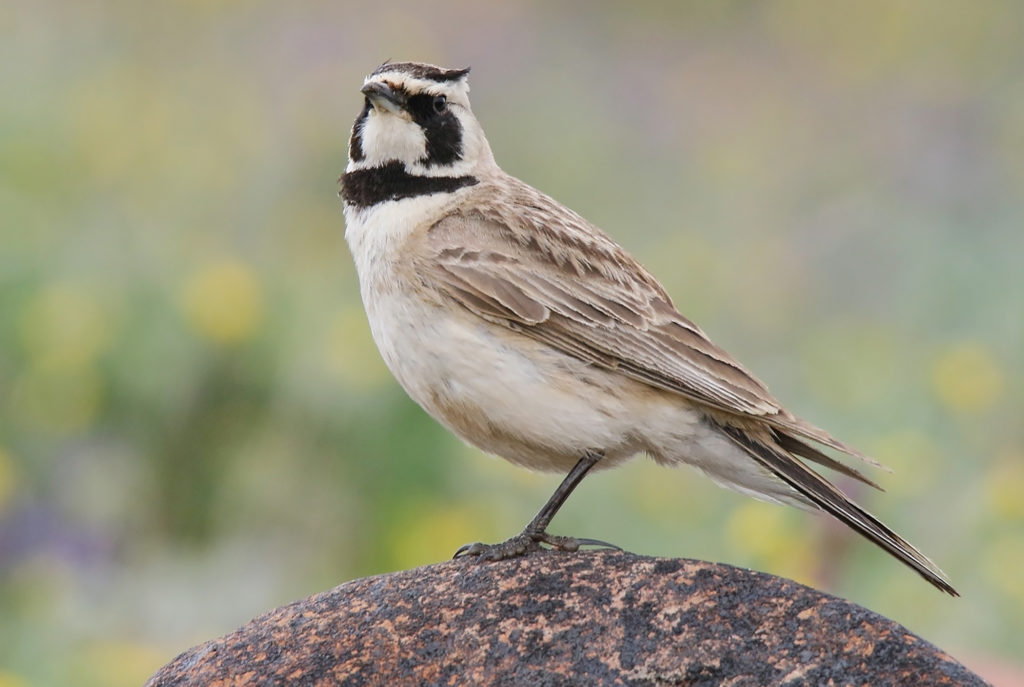
Horned Lark
Habitat: Tallgrass Prairie
When in Iowa: Year-Round
Diet: Seeds and Insects
Notes: There are 42 subspecies of Horned Lark worldwide.

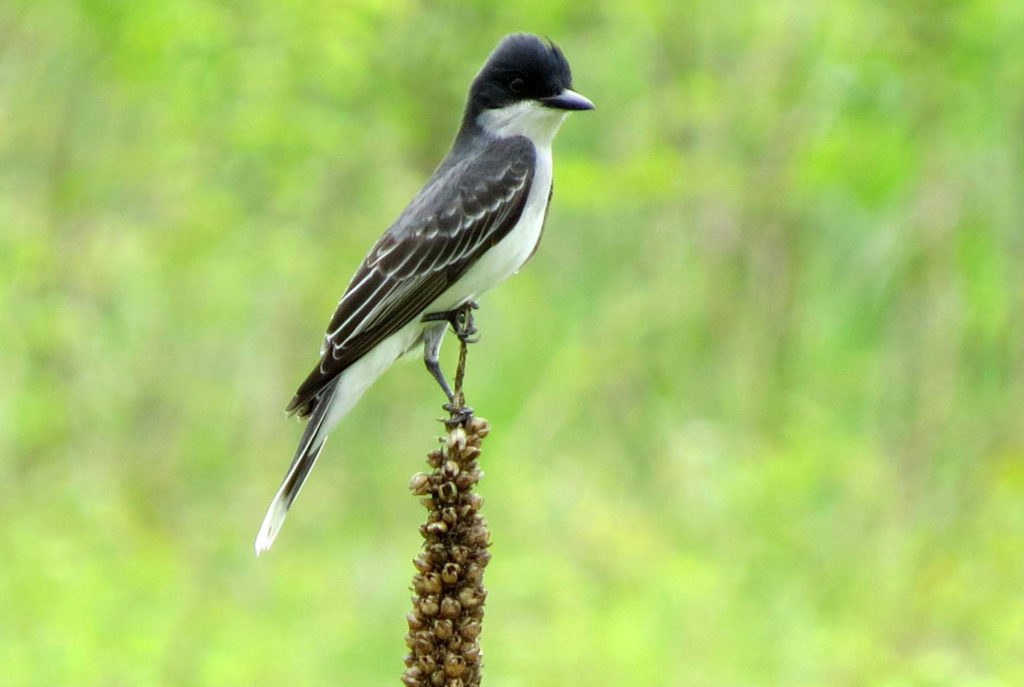
Eastern Kingbird
Habitat: Tallgrass Prairie
When in Iowa: Breeding Season
Diet: Fruit and Insects
Notes: This bird has a hidden patch of bright feathers on its head that it uses to intimidate predators.

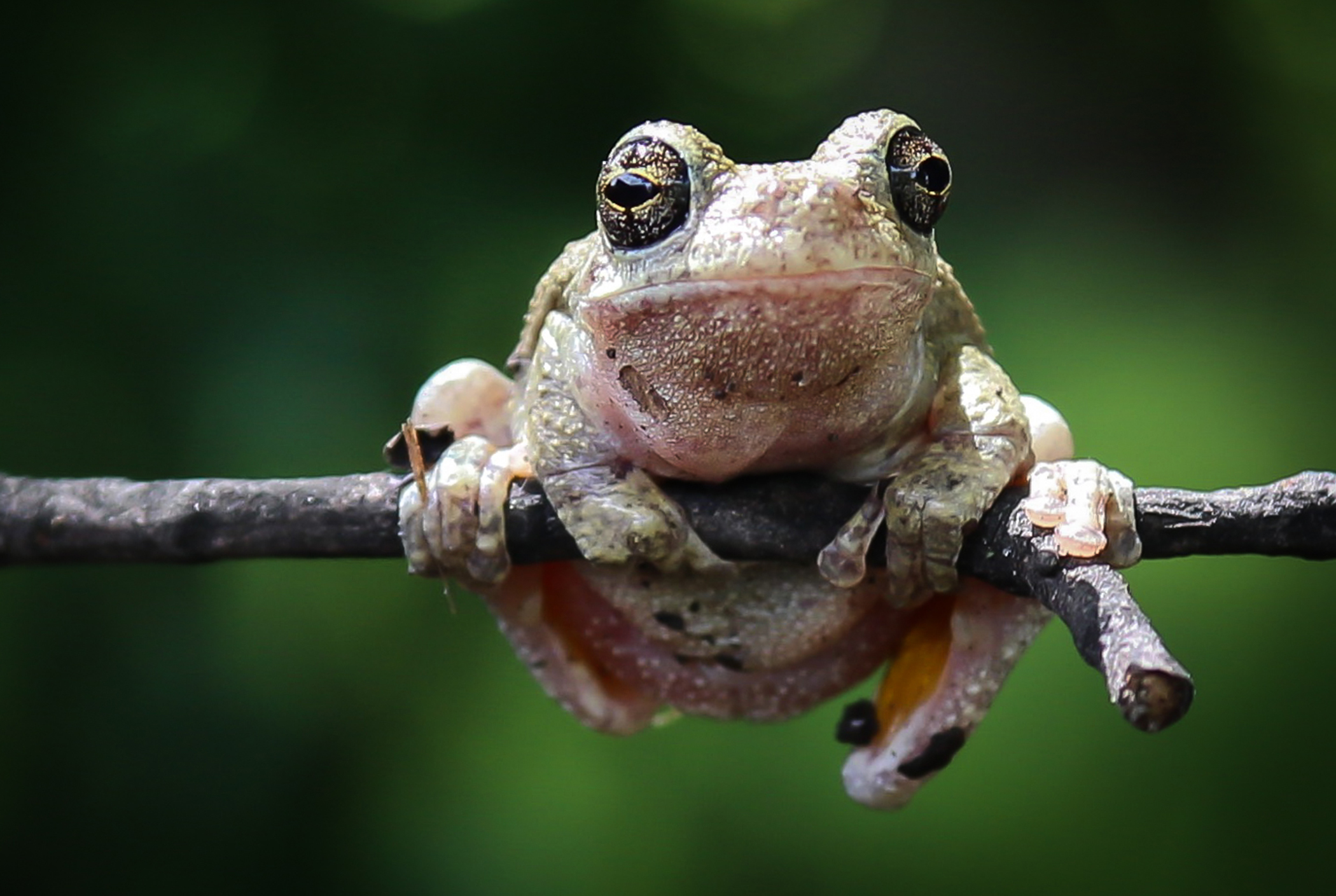
Gray Tree Frog
Habitat: Forests and Woodlands
When in Iowa: Year-Round
Diet: Insects
Notes: This species is strictly nocturnal, and is often found feeding on insects attracted to outdoor lights.

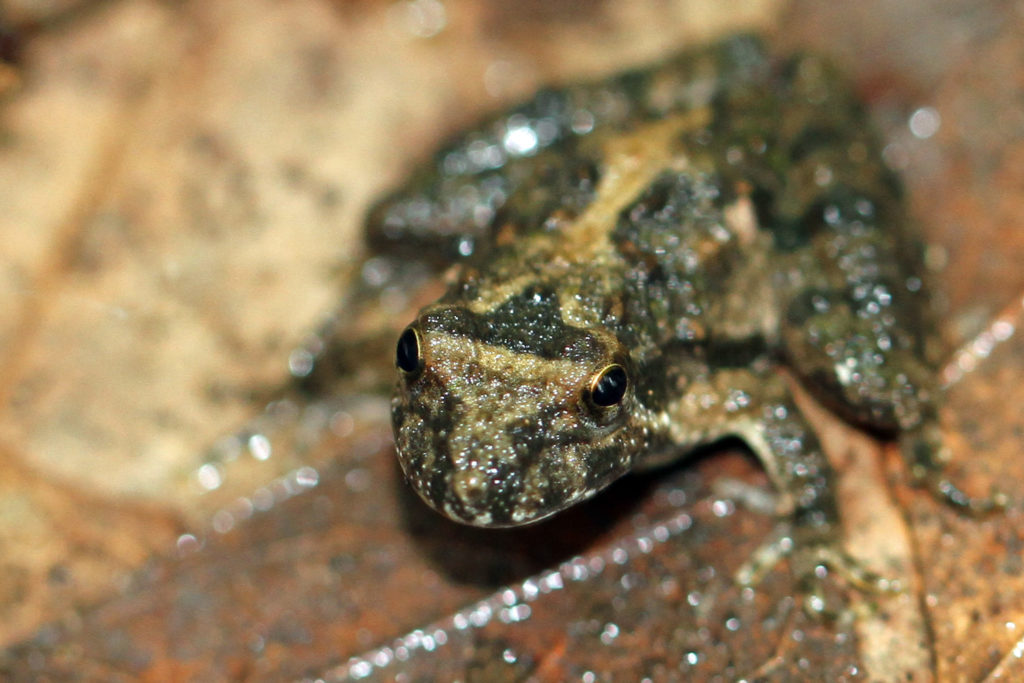
Blanchard’s Cricket Frog
Habitat: Wetlands and Ponds
When in Iowa: Year-Round
Diet: Aquatic Invertebrates
Notes: This small frog only lives for around 1 year.

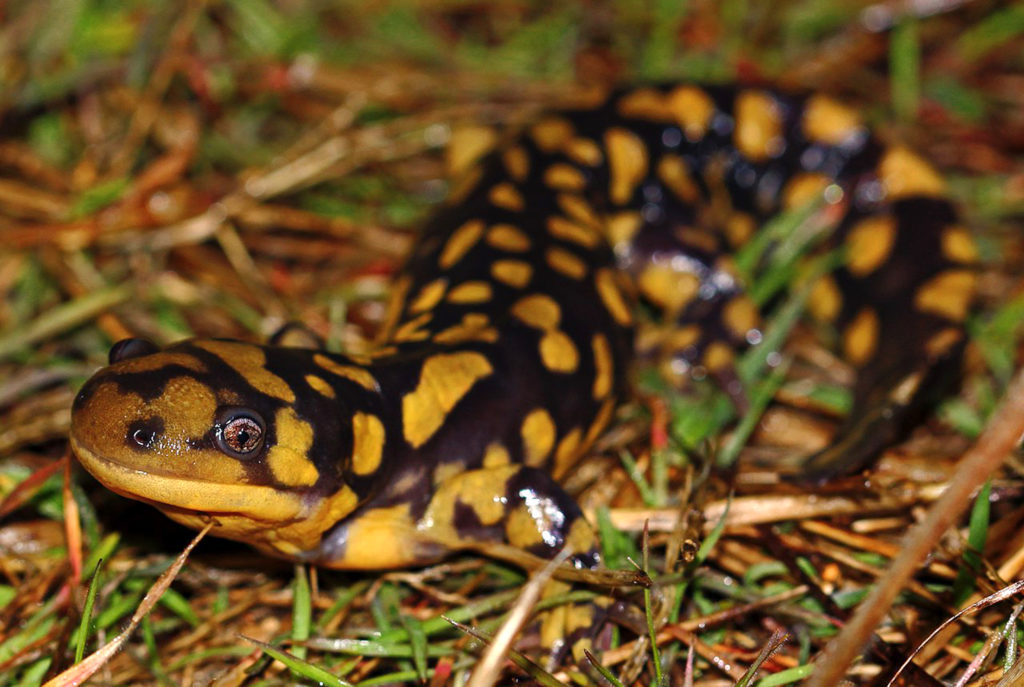
Tiger Salamander
Habitat: Underground in Tallgrass Prairie and Woodlands
When in Iowa: Year-Round
Diet: Insects, Worms, and Frogs
Notes: This is the largest ranging salamander in North America, found coast-to-coast.

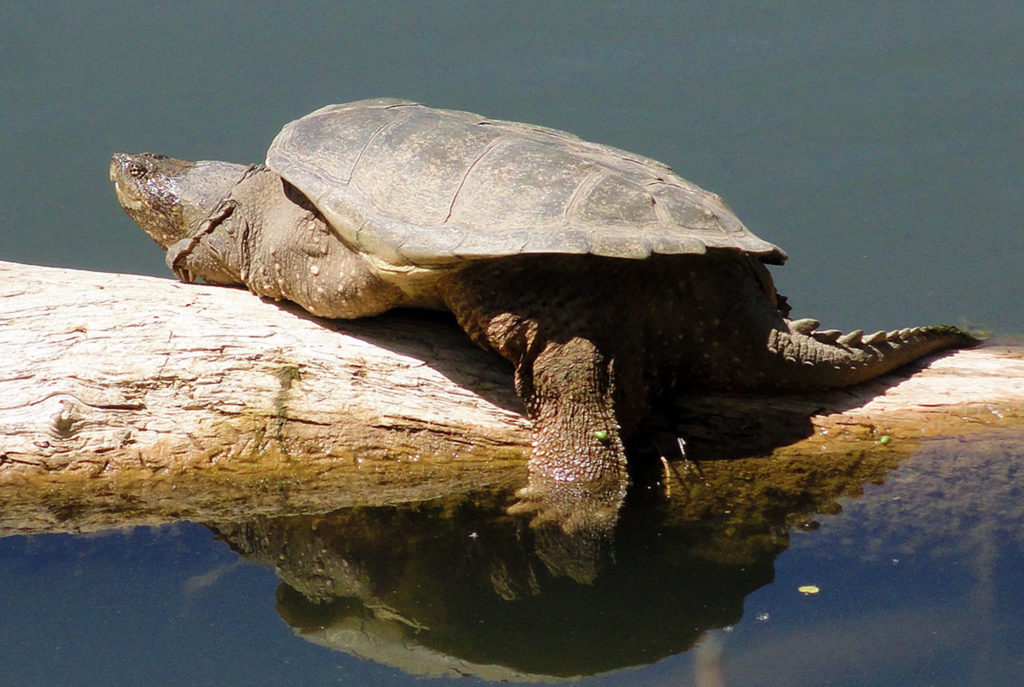
Common Snapping Turtle
Habitat: Ponds
When in Iowa: Year-Round
Diet: Small Animals
Notes: Snapping turtles can live to be over 100 years old.

Contact our Watershed Coordinator David Stein to learn more about restoring habitat and wildlife on your land: